TalkTalk Sold to BT: What 1.5m Customers Need to Do
The biggest UK broadband story in years broke on Monday: BT bought TalkTalk out of administration, with the government stepping in so the competition review can move faster than normal. Below is what that means if you are a TalkTalk customer, plus a survey on why home broadband drops out, the next 112 exchanges to stop selling copper, and a router update worth checking for.
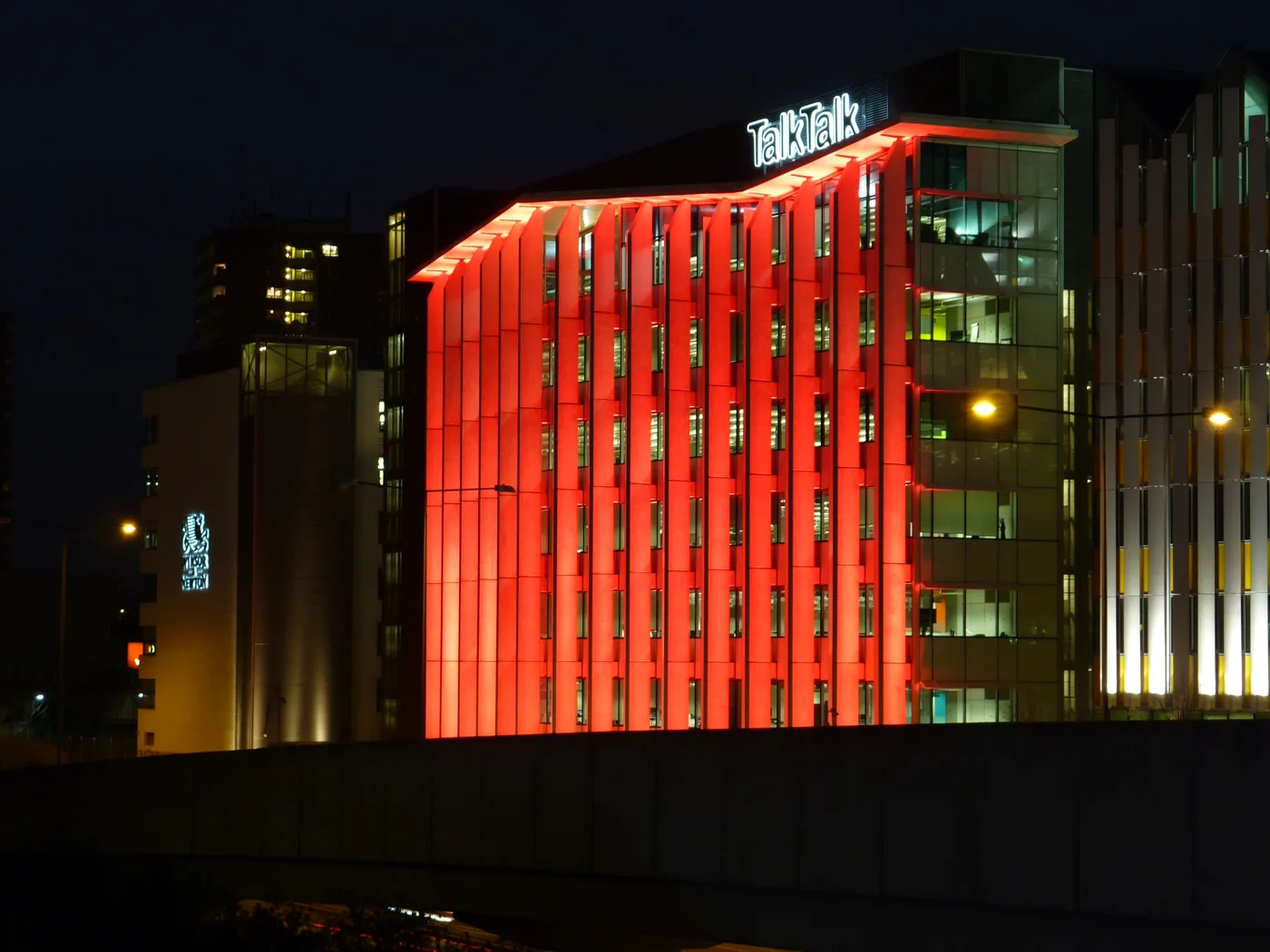
BT has bought TalkTalk out of administration
On 5 October BT agreed to buy both TalkTalk’s consumer broadband business and its wholesale arm, PXC, from administrators at Alvarez and Marsal. TalkTalk had spent months failing to find a buyer, and it was due to make a large monthly payment to Openreach at the start of October that, without new funding, it could not meet. The deal covers about 1.5 million retail customers and 1 million wholesale customers, and the administrators say it safeguards roughly 900 jobs. BT puts the cash cost this financial year at about £400m.
Because BT is already the largest broadband provider, a deal like this would normally face a long competition review. The Culture Secretary, Lisa Nandy, instead issued a Public Interest Intervention Notice under the Enterprise Act on 5 October, citing the risk that a sudden TalkTalk collapse could cut off emergency calls, medical alarms and hospital communications. The Competition and Markets Authority opened a merger inquiry the same day, served a pre-emptive action order on 6 October, the standard step that keeps the two businesses apart while it looks, and has to report to the Secretary of State by 19 October 2026. Virgin Media called the deal “a stitch up masked as a rescue deal”.
If you are with TalkTalk, you do not need to do anything. ISPreview reports that services continue as normal and customers will be contacted directly if anything changes, and BT says the two will “operate separately and continue to compete” while the review runs. BT also says it has “no plans” to move the small number of TalkTalk lines that run on alternative networks. If your deal is ending anyway, nothing stops you shopping around; our BT broadband review covers what the new owner sells. Sources: GOV.UK, the CMA case page and ISPreview.
Power cuts are now the top cause of broadband outages, says a Uswitch survey
A Uswitch survey of 2,000 UK adults, carried out by Opinium between 29 September and 2 October and reported on 8 October, found 48% had lost their broadband at least once in the past year. Among those, 42% blamed a power cut, 31% a fault with their provider and 31% a router problem. Rural homes were hit hardest: 63% of affected rural respondents lost their connection to a power cut, against 28% in towns and cities. Only 16% of people hit by an outage got compensation, and 57% did not know they could ask.
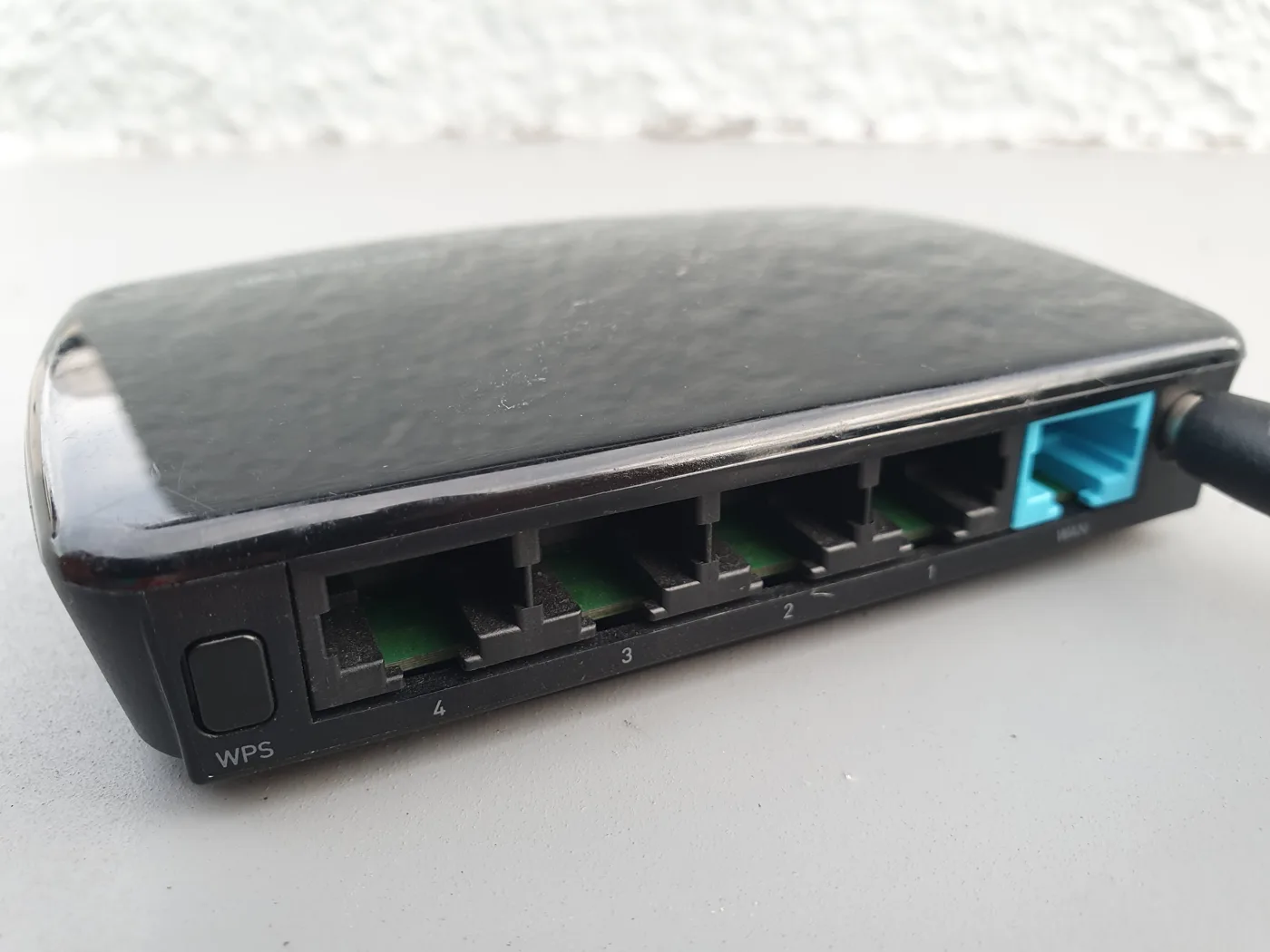
Treat the scale with care, as ISPreview does: it is an opinion survey of 2,000 people, and the 26.7 million headline is an extrapolation from it. The useful point is the one about phones. A digital landline runs through your router, so when the power goes, so does the phone, and the survey found 32% of people with one did not know that. The old analogue network closes on 31 January 2027. Most big providers give a free battery backup unit to vulnerable customers and sell one to everyone else. Ofcom’s automatic compensation only covers faults that are your provider’s and that last more than two working days, so a power cut usually does not qualify. A 4G router as a backup is the other way to stay online. Reported by ISPreview.
Openreach names 112 more exchanges that will stop selling copper
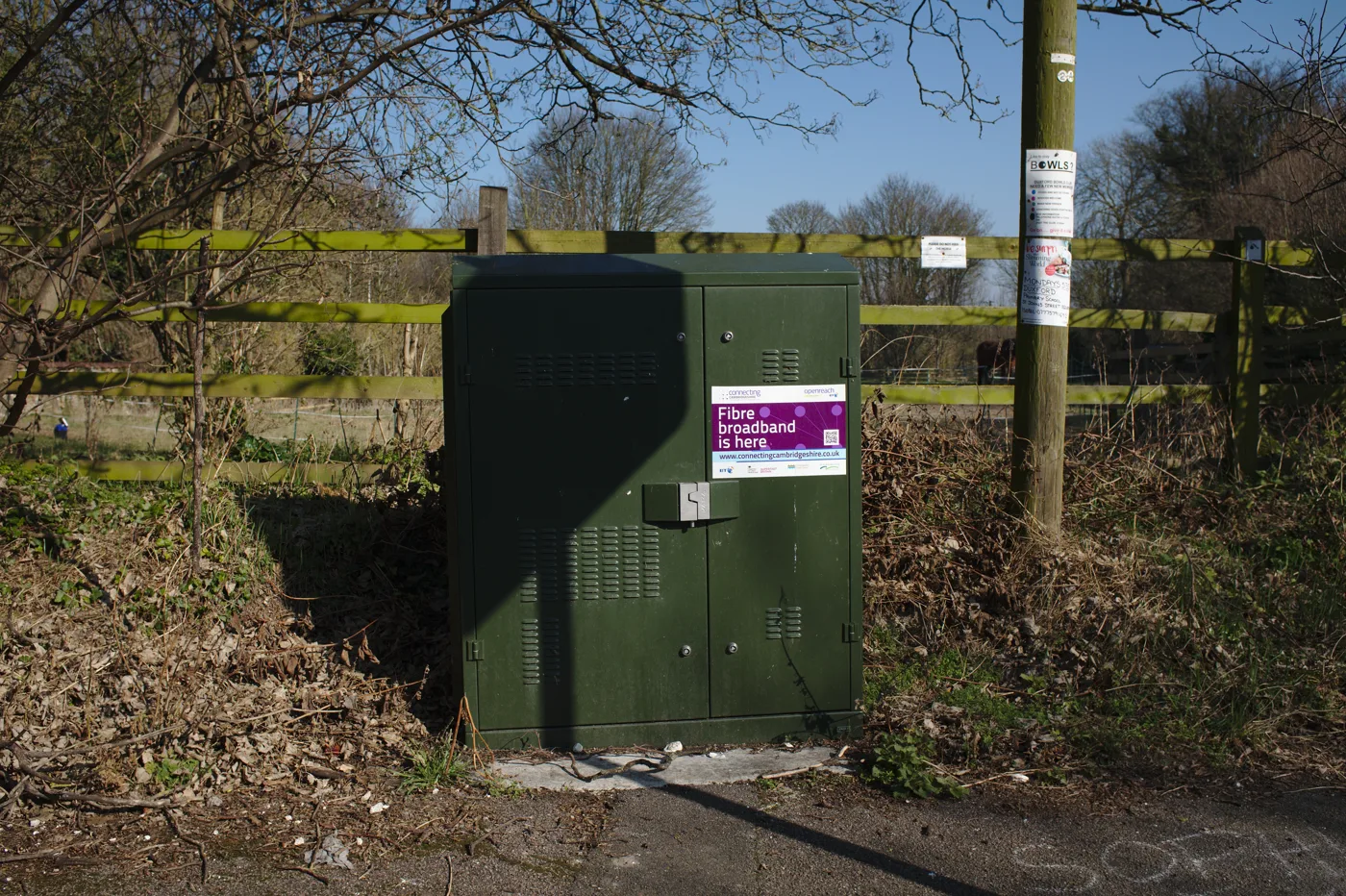
On 8 October Openreach published tranche 26 of its stop-sell programme: 112 exchanges covering 619,724 premises where more than 75% of homes can already get full fibre. From 4 November 2027, homes in those areas that can get full fibre will no longer be able to order a new copper-based phone or broadband service. Homes that cannot yet get full fibre carry on with copper. The total under stop-sell rules is now about 16.4 million premises across 2,325 exchanges.
Nothing changes on your existing line because of this list. It matters when you move house or switch provider in one of these areas, because the copper product you are used to will not be on offer. If you want to understand what you are being moved to, start with what broadband actually is, and if you still use a landline handset, our guides to broadband without a phone line and VoIP adapters cover the switch. Details and the exchange list at ISPreview.
FRITZ!OS 8.50 is rolling out, starting with the FRITZ!Box 7690
FRITZ!, the German maker whose FRITZ!Box routers are supplied by several UK providers, began rolling out FRITZ!OS 8.50 on 1 October. It reaches the FRITZ!Box 7690 first, with other models, repeaters and mesh sets following gradually. The headline addition is a DNS filter that can block ads, trackers, malware and phishing domains for every device on the network using public block lists, plus automatic prioritisation of video calls and gaming, and a “Smart Check” in the MyFRITZ!App that flags problems such as a mesh repeater dropping off. The 4G and 5G FRITZ!Box models can now act as automatic backup if a fixed line fails.
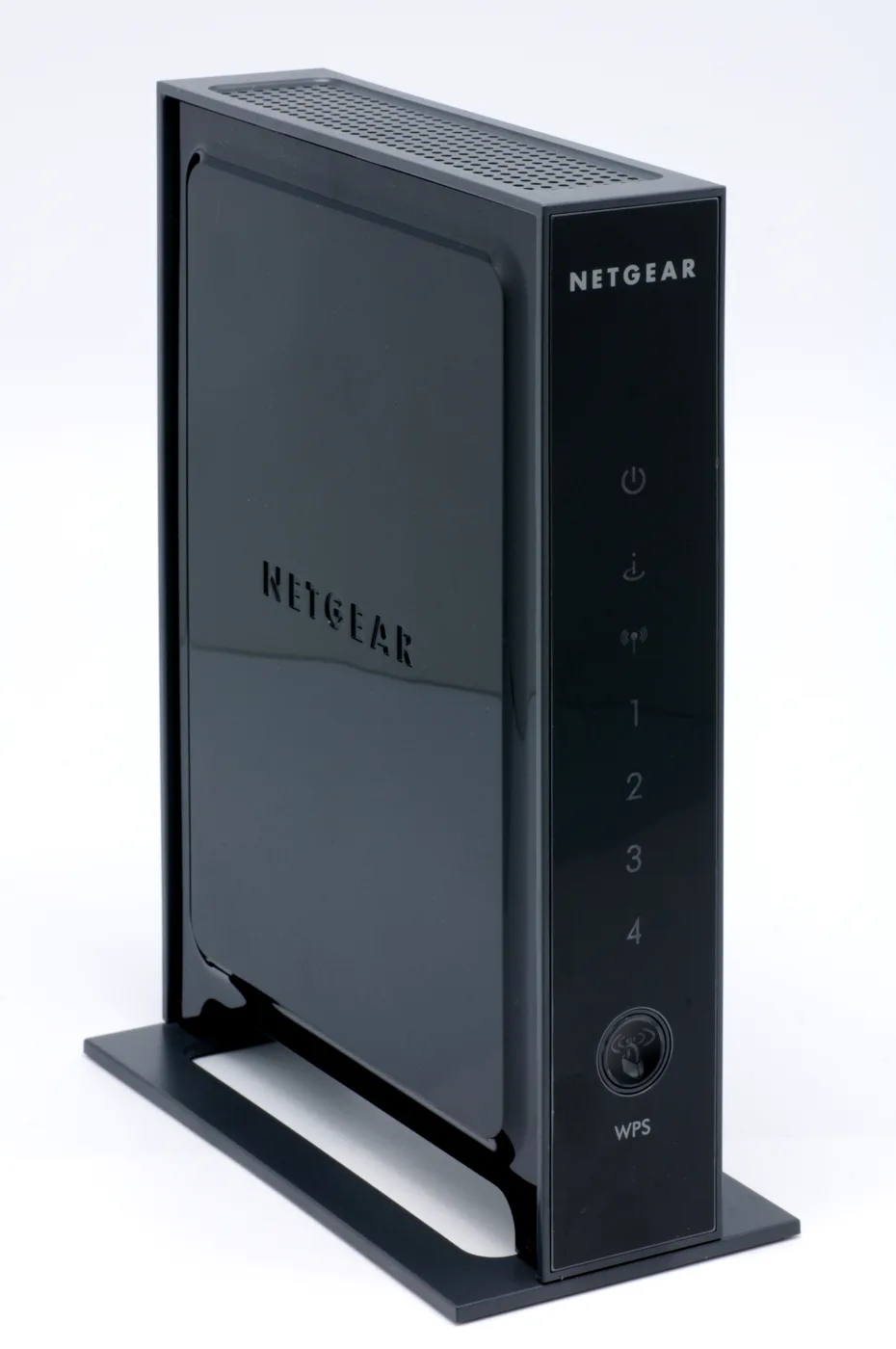
If automatic updates are on, it will install itself. Otherwise, log in at fritz.box and choose Start Update; our router login guide covers getting to the settings page, and it is worth noting your settings first in case you need to reset the router. Reported by ISPreview.