WiFi 6 Router Guide: Do You Actually Need Wi-Fi 6 for Your Home?
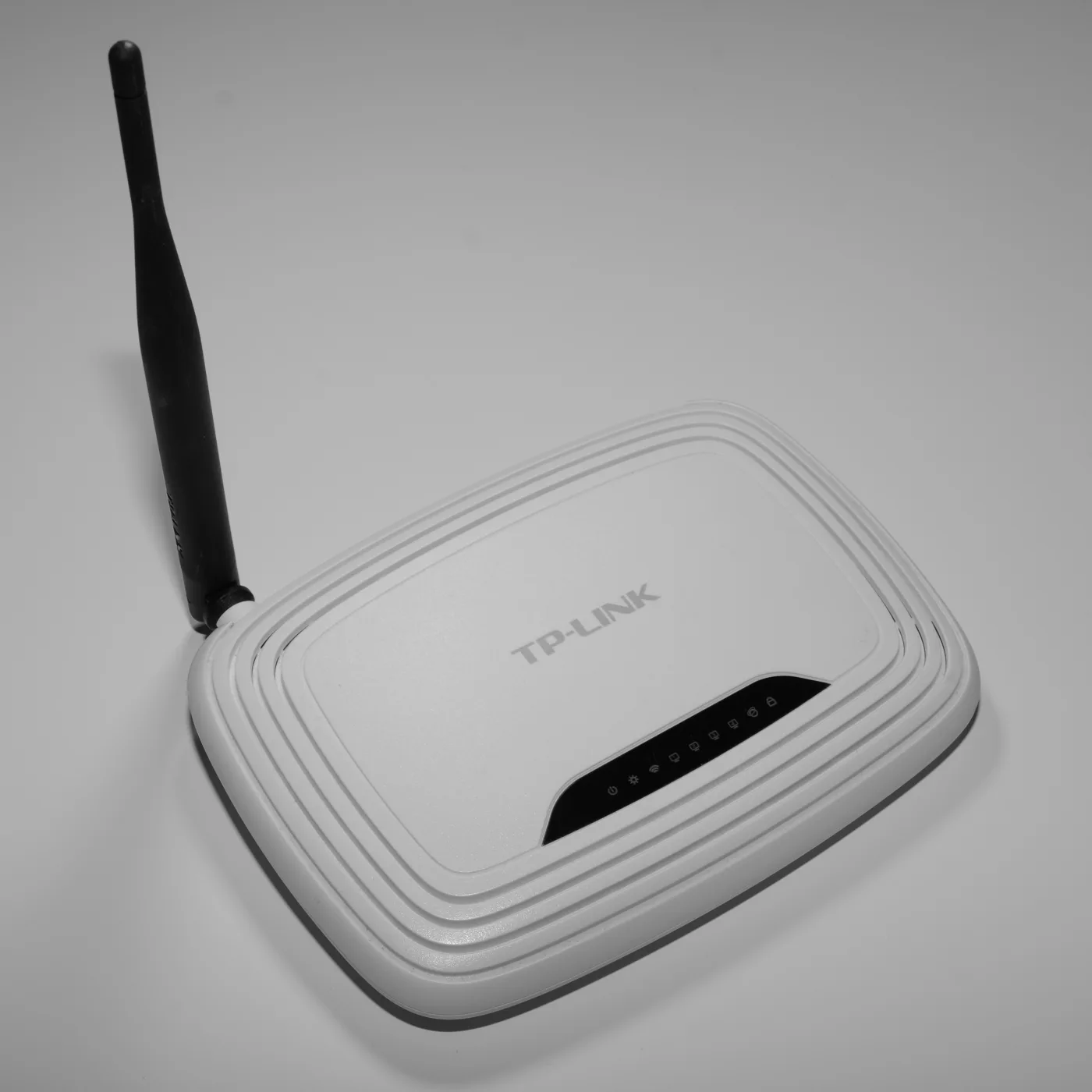
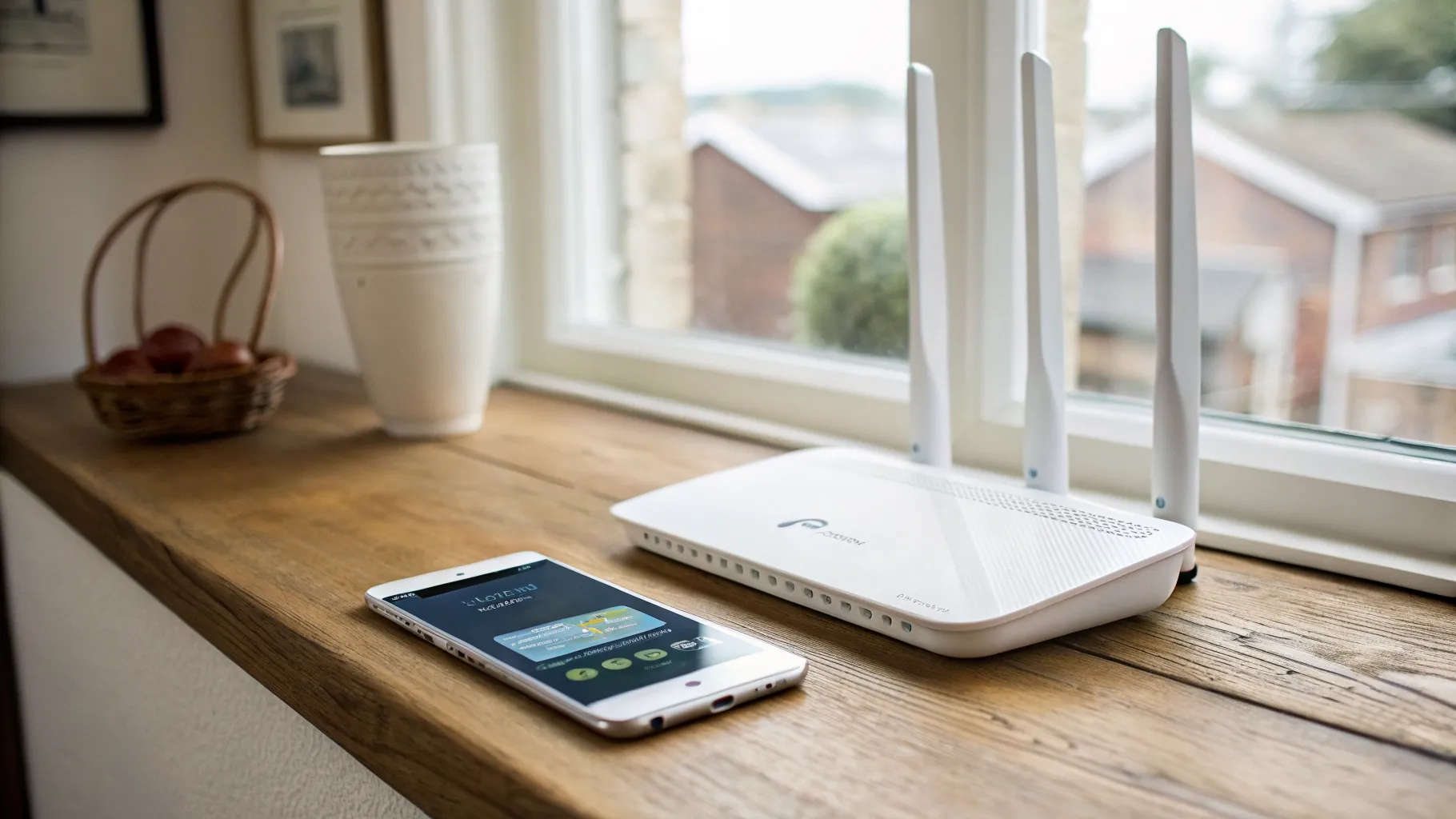
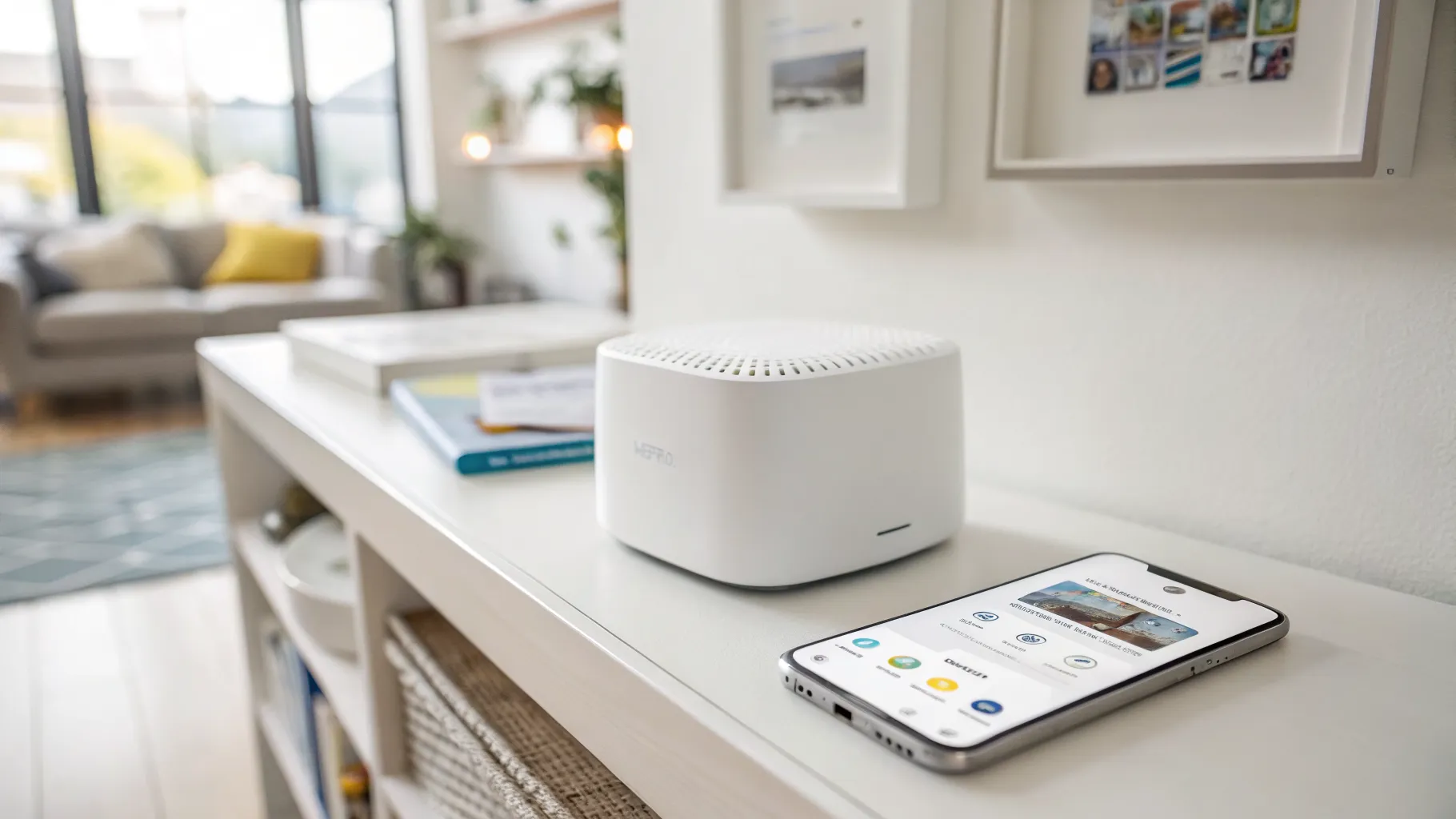
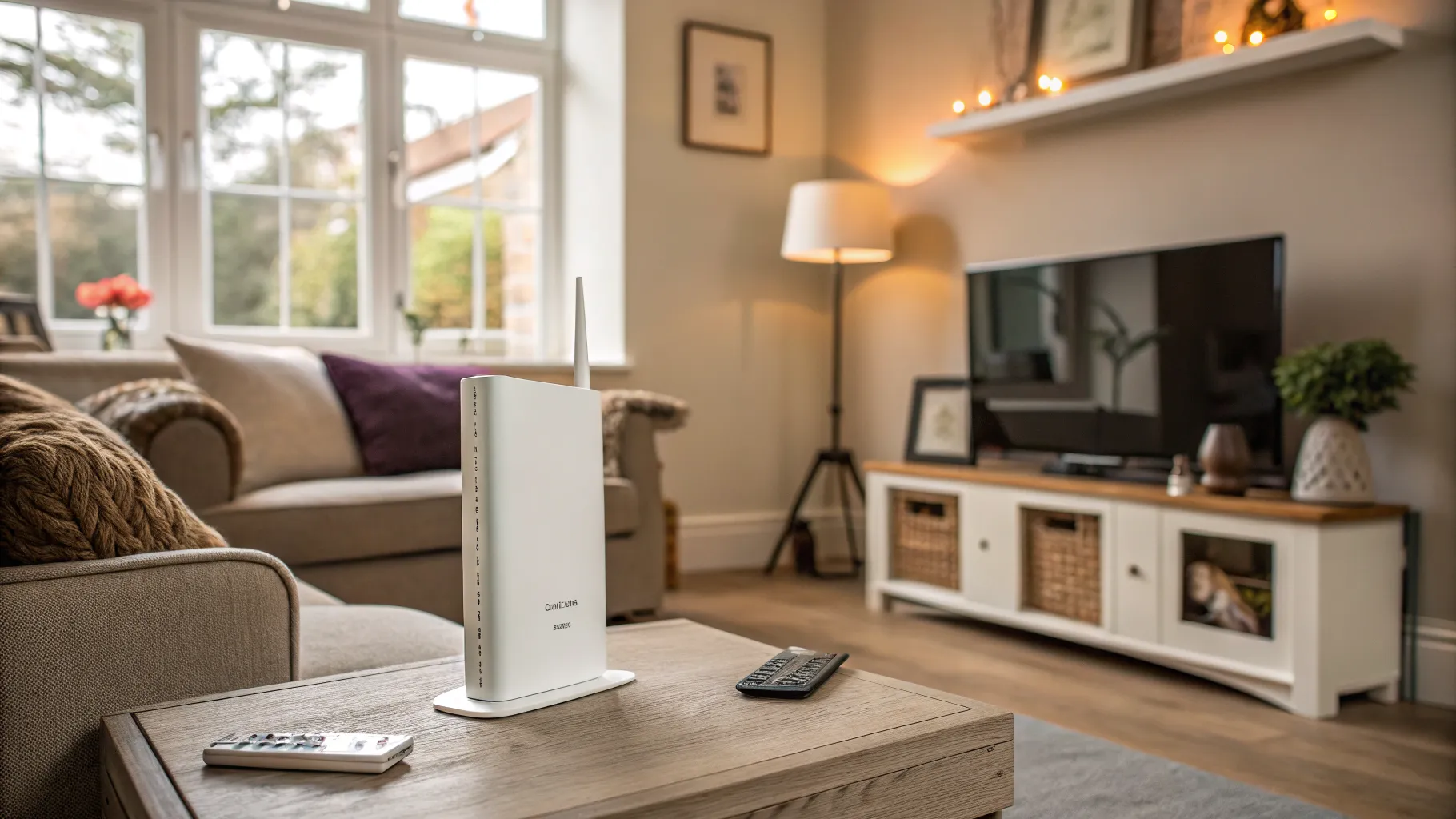
Should you buy a WiFi 6 router, or is it marketing that will not change anything in your home? The honest answer is that a WiFi 6 router is a real, worthwhile upgrade for busy modern homes, but for a lot of UK households it fixes a problem they do not have. This guide explains what a Wi-Fi 6 router actually does, how it stacks up against Wi-Fi 6E and the newer Wi-Fi 7, and how to tell whether upgrading will make your connection noticeably better.
The short version: Wi-Fi 6 helps most when you have lots of devices competing at once, not when you simply want one laptop to go faster. If you understand that distinction, the buying decision becomes easy.
What Wi-Fi 6 actually is
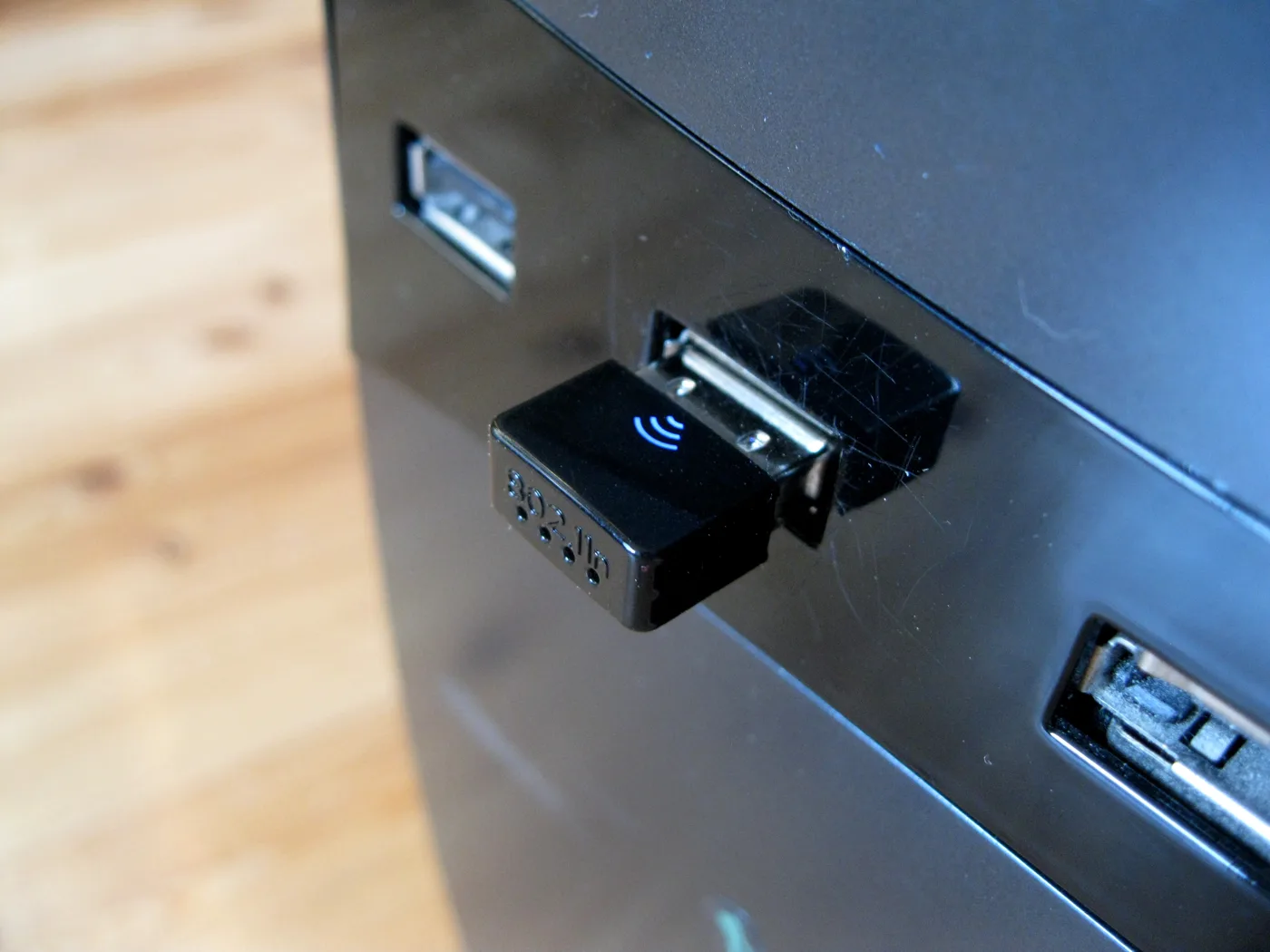
Wi-Fi 6 is the friendly name for the 802.11ax standard, introduced in 2019 and now mature and widely available. It works on the same 2.4GHz and 5GHz bands you already use, but adds several efficiency features that matter in a crowded home:
- OFDMA: lets the router talk to several devices within the same transmission instead of serving them strictly one after another. This is the headline improvement for homes full of gadgets.
- MU-MIMO: handles multiple devices at once across separate streams.
- 1024-QAM: packs more data into each signal, lifting real-world throughput.
- Target Wake Time (TWT): lets battery devices like phones and smart-home sensors sleep between transmissions, improving their battery life.
- WPA3: the current, stronger Wi-Fi security standard.
The key point is that Wi-Fi 6 is about capacity and efficiency under load, not a magic speed boost for a single device.
Wi-Fi 6 vs Wi-Fi 6E vs Wi-Fi 7
The naming is confusing, so here is the plain version:
- Wi-Fi 6 uses the 2.4GHz and 5GHz bands. Mature, affordable, and plenty for most homes.
- Wi-Fi 6E adds a third band, 6GHz, which in the UK Ofcom opened for licence-exempt use. That extra spectrum is clean and uncongested, giving compatible devices a fast, interference-free lane. It mainly helps in dense environments or if you have specific 6GHz devices.
- Wi-Fi 7 (802.11be), certified in early 2024 and widely on sale by 2026, pushes things further with wider 320MHz channels, 4096-QAM, and Multi-Link Operation (MLO), which lets a device use more than one band at the same time. Its headline figures are enormous, but you only see the benefit with Wi-Fi 7 client devices and a very fast internet connection.
For most UK homes in 2026, Wi-Fi 6 is the sensible default, Wi-Fi 6E is a modest step up, and Wi-Fi 7 is future-proofing that pays off mainly on gigabit broadband with newer devices.
Do you actually need a Wi-Fi 6 router?
Ask yourself three questions:
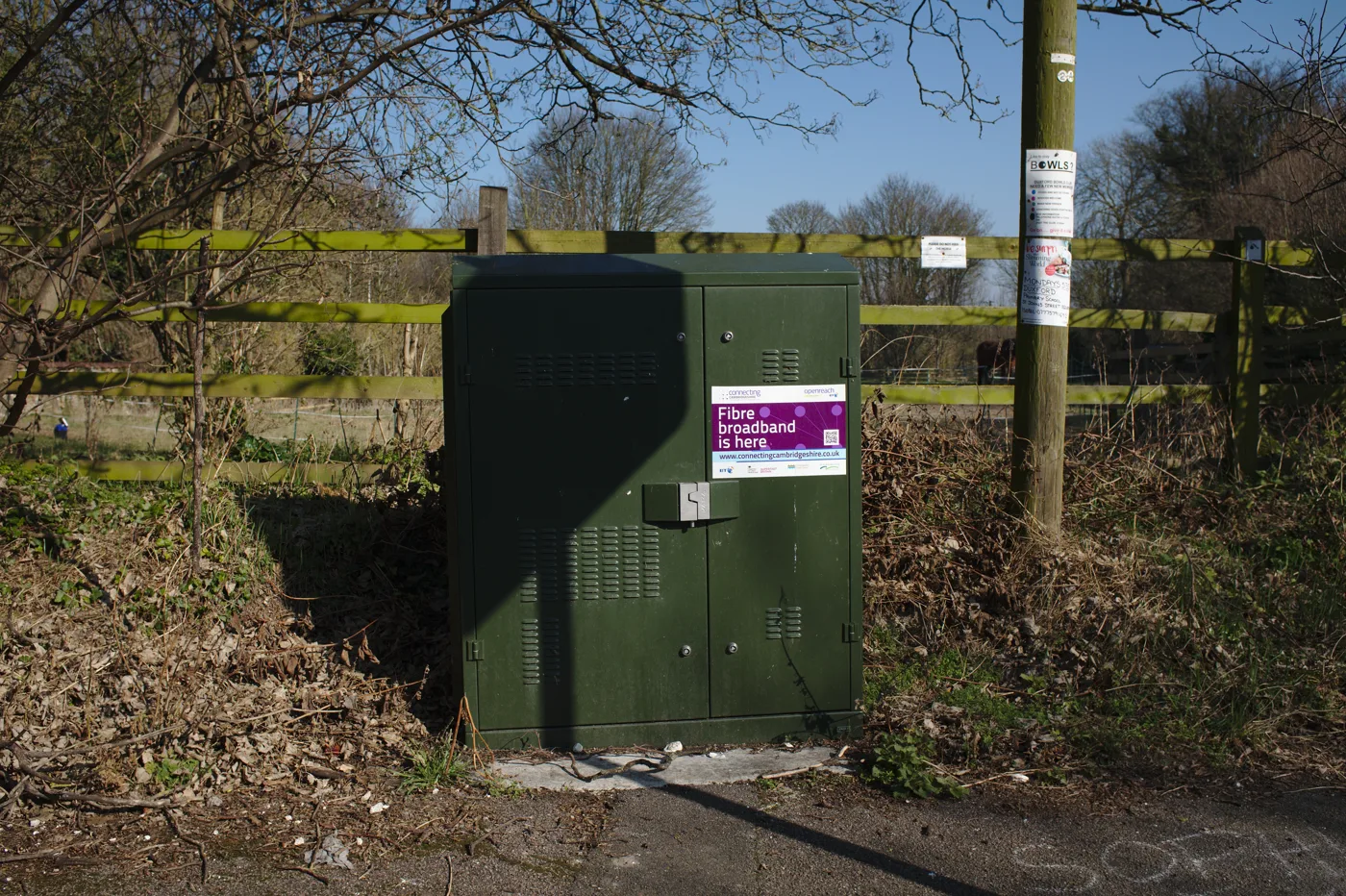
- How fast is your broadband? If you are on a connection under about 100Mbps, your broadband, not your Wi-Fi standard, is the bottleneck. A newer router will not make your line faster. Our guide on what broadband speed you need helps you judge this.
- How many devices are online at once? Phones, laptops, TVs, speakers, doorbells, thermostats. The more you run simultaneously, the more Wi-Fi 6’s efficiency helps. A one or two device household sees little benefit; a busy family home sees a lot.
- Do your devices even support Wi-Fi 6? Both ends need to support it. If your phones and laptops are a few years old, they may only do Wi-Fi 5, so a Wi-Fi 6 router talks to them at Wi-Fi 5 speeds anyway. Wi-Fi 6 is fully backwards compatible, so nothing breaks, but you only get the new benefits with newer devices.
If you answered “fast broadband, many devices, mostly recent gear”, a Wi-Fi 6 (or 6E) router is a genuine upgrade. If not, spend the money on better placement or mesh instead.
Wi-Fi 6 router or mesh?
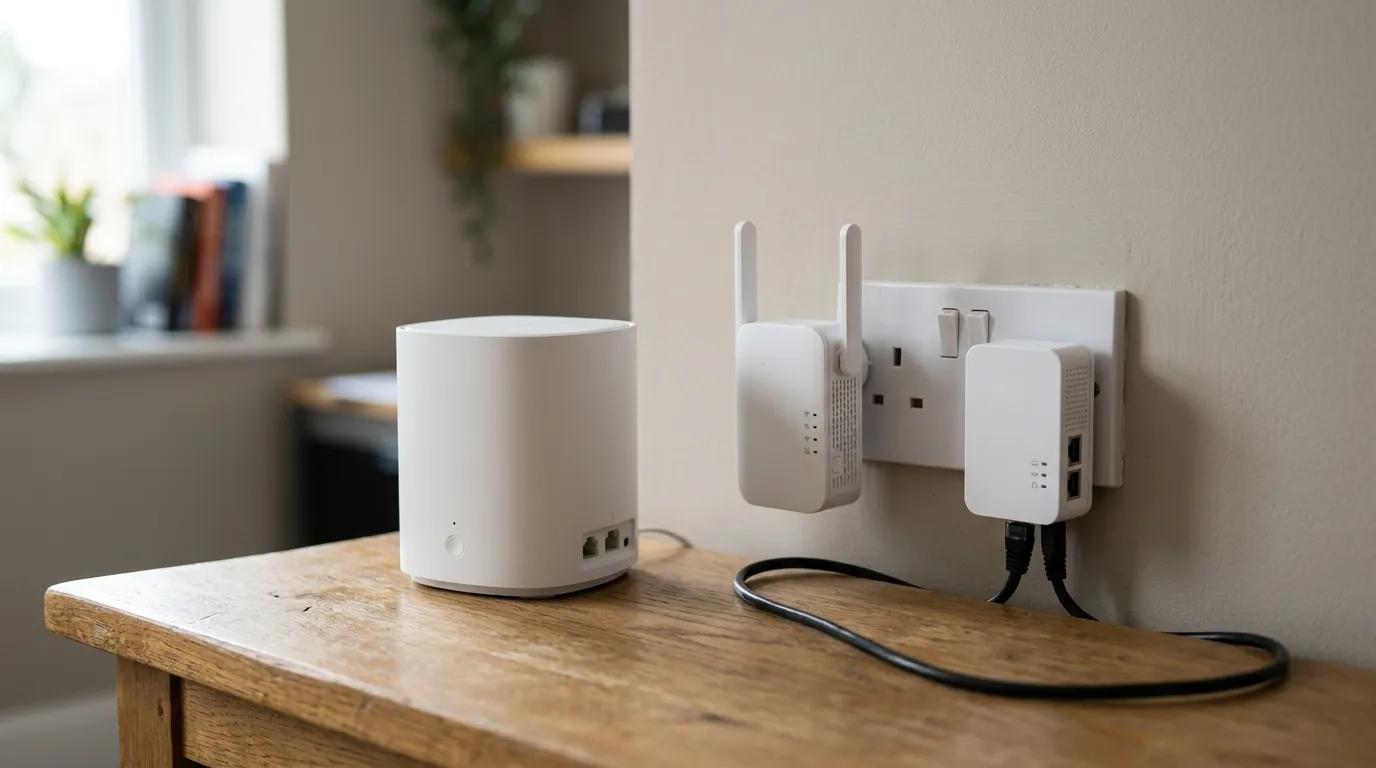
A common mistake is buying a powerful single router when the real problem is coverage. If your issue is dead spots in a bedroom or the garden, a Wi-Fi 6 mesh system will help far more than a single high-end router, because it spreads several nodes around the house. Read our mesh Wi-Fi explained guide before you decide. Many good mesh systems are now Wi-Fi 6, so you often get both at once.
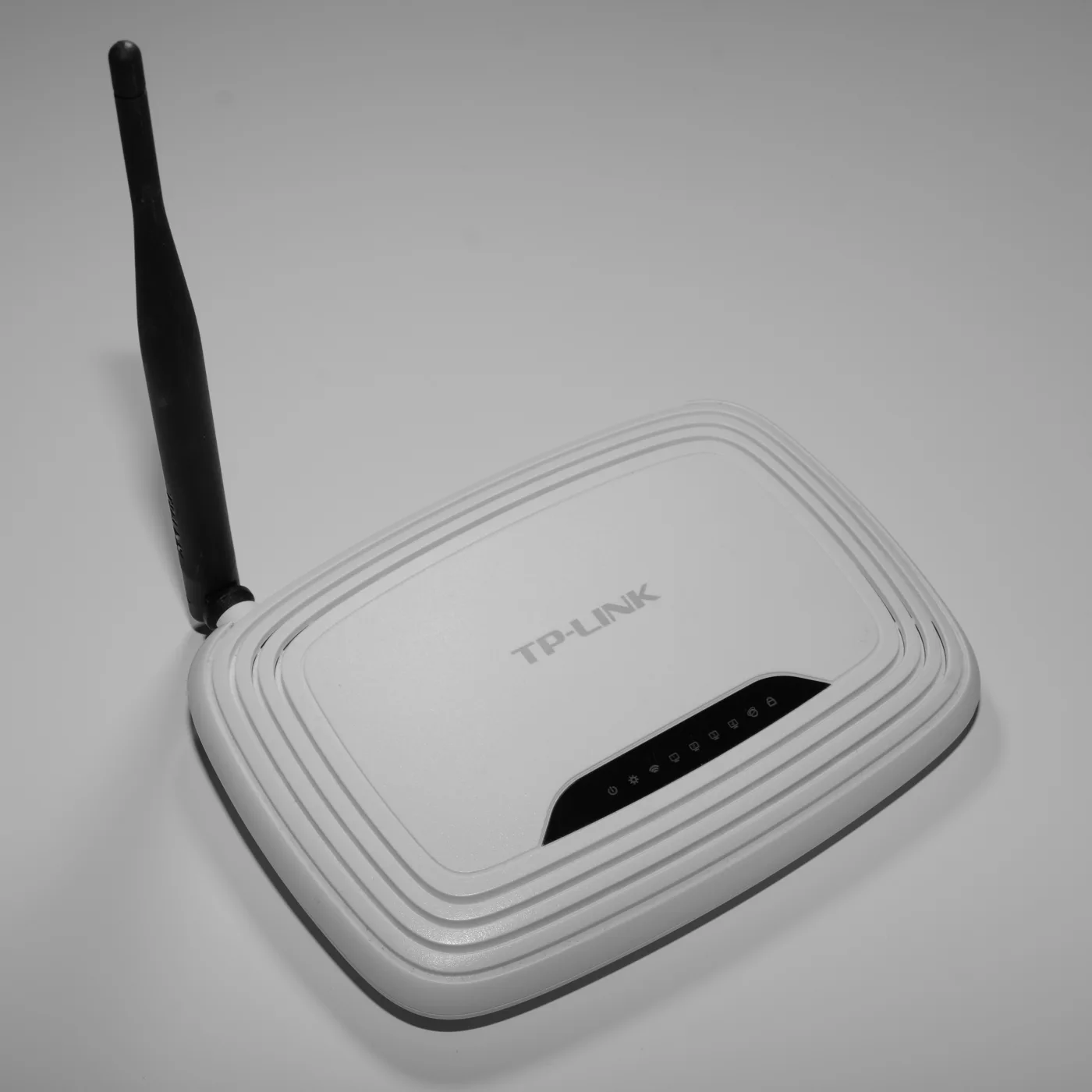
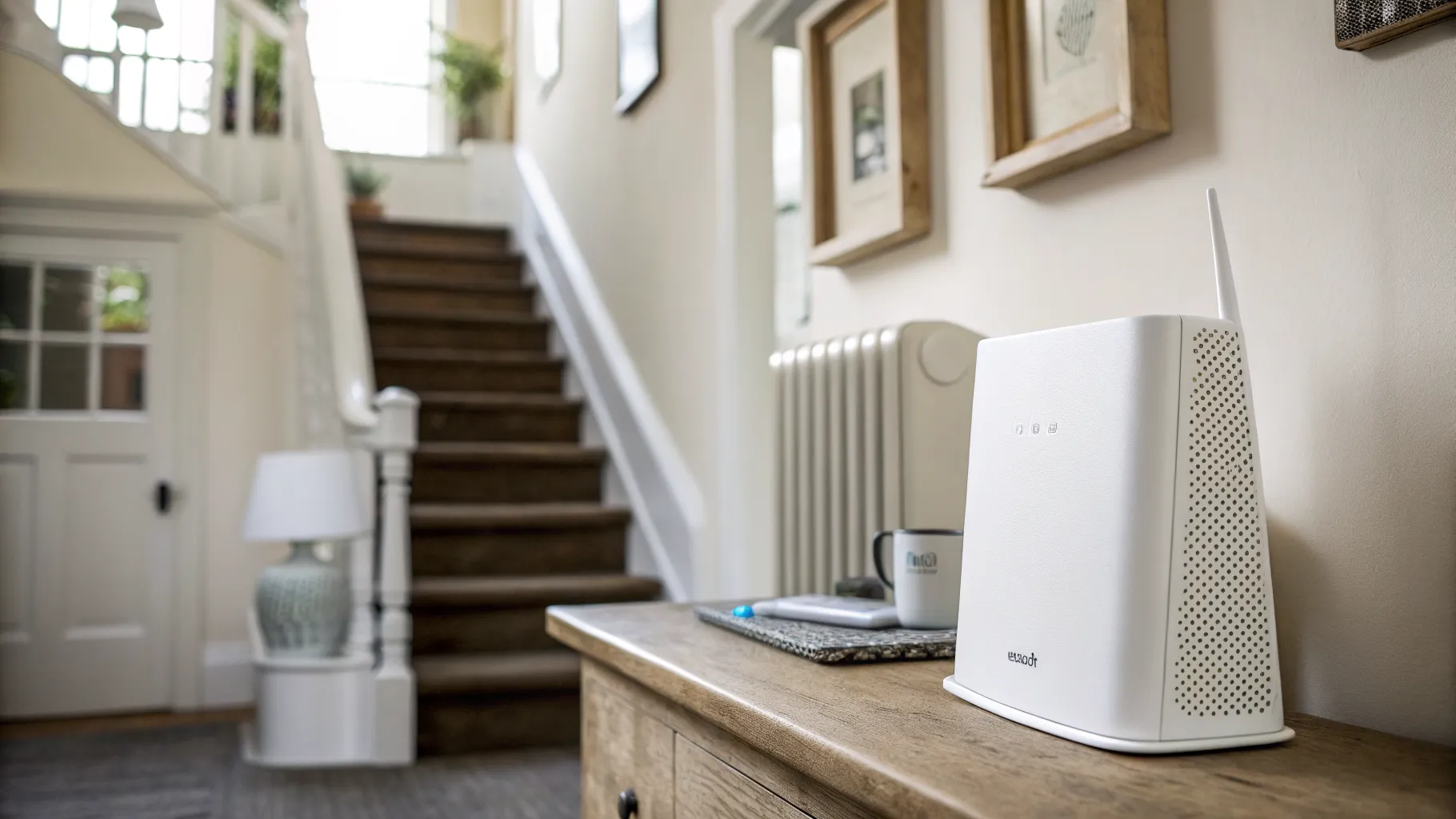
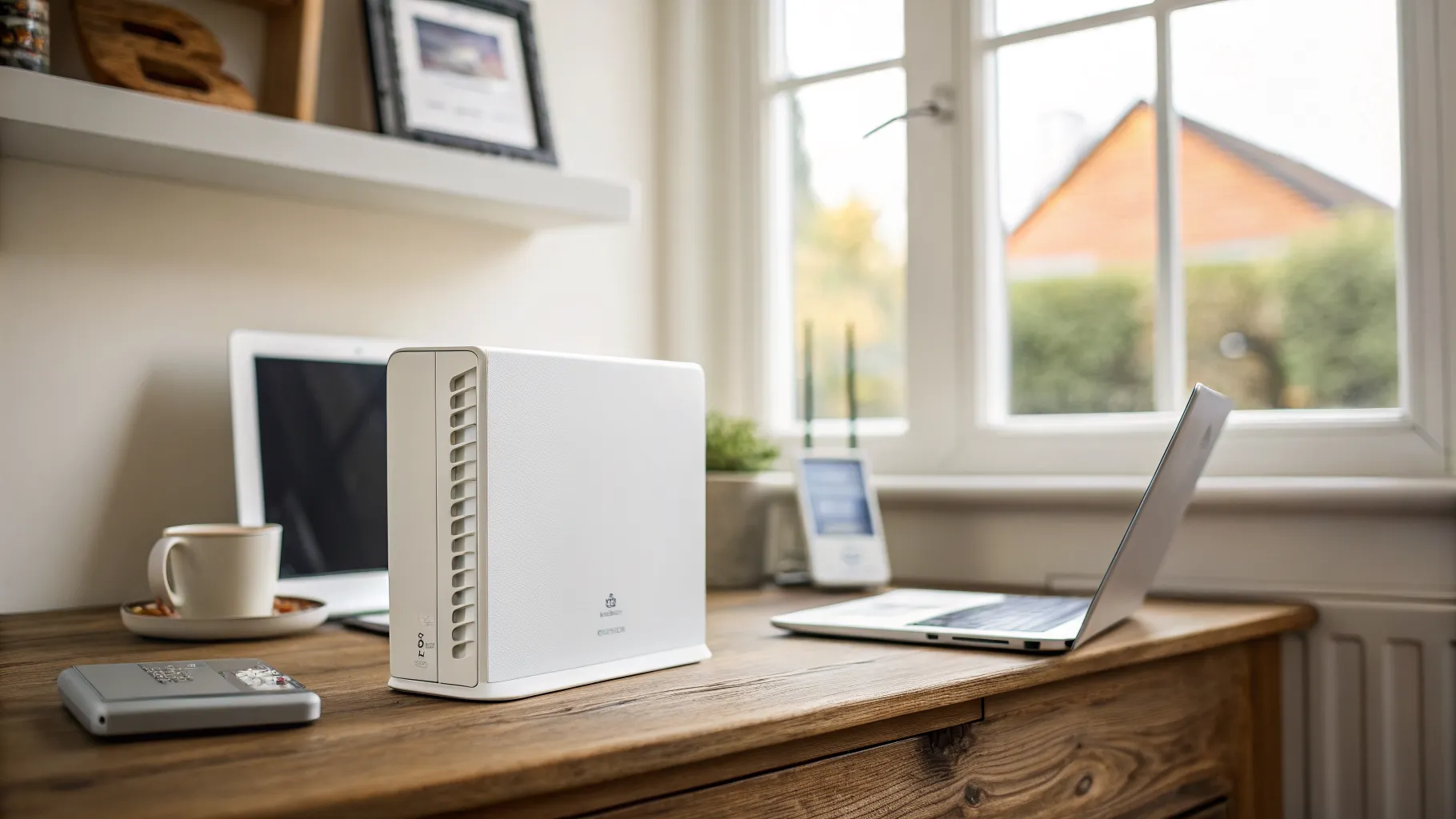
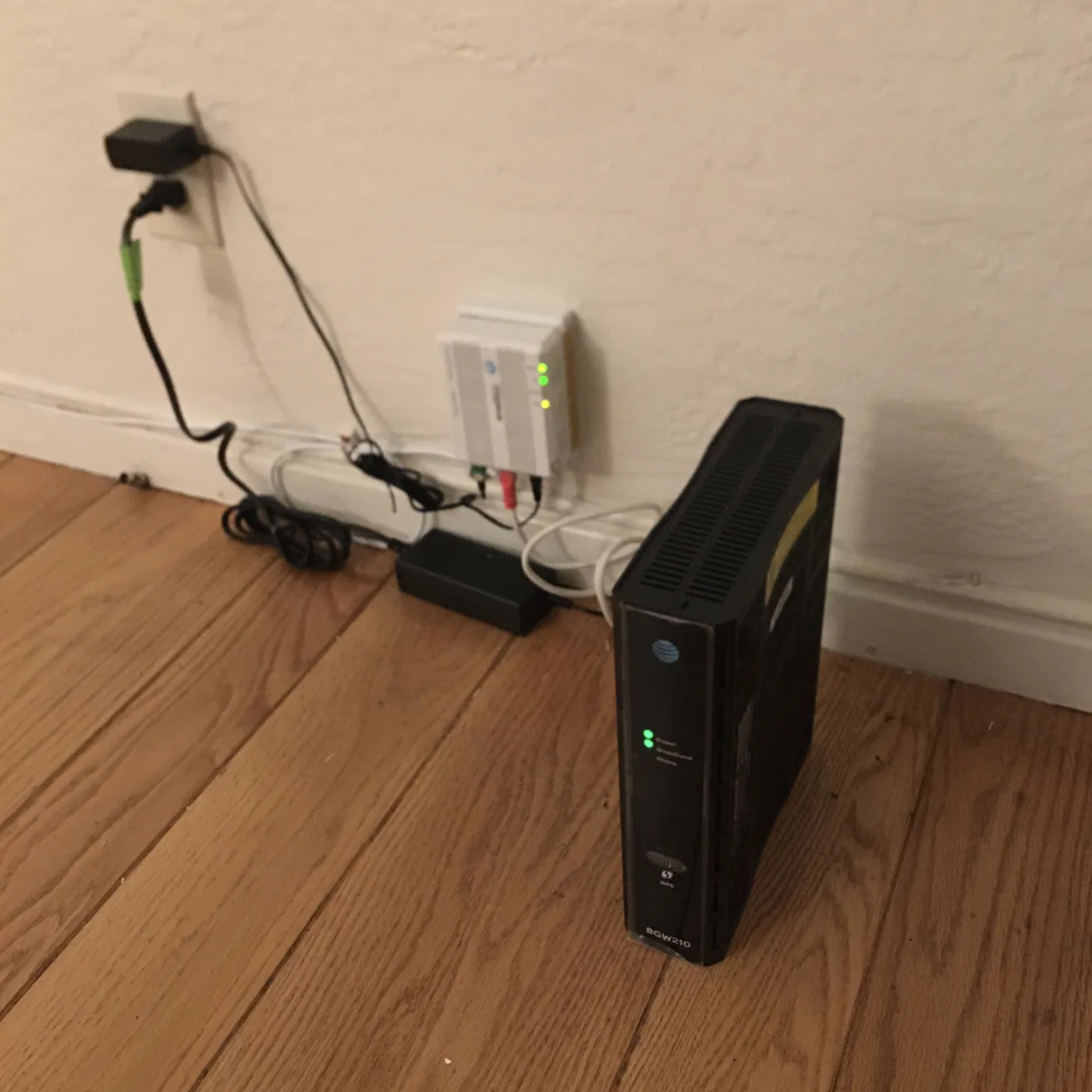
Also remember that the router your broadband provider gave you may only be Wi-Fi 5 or a basic Wi-Fi 6 model. Upgrading the router (or adding mesh behind it in bridge mode) is often the single biggest improvement you can make, as covered in Wi-Fi bridge mode explained.
The bottom line
Buy a Wi-Fi 6 router if you have a fast connection, a house full of devices, and reasonably modern phones and laptops. It will handle the load better, run smart-home gadgets more efficiently, and bring you up to WPA3 security. If your home is quieter or your broadband is the limiting factor, save your money, or spend it on coverage with mesh instead.
For the technical background, the Wi-Fi Alliance publishes the official standards, and Ofcom sets the UK rules for the 6GHz band used by Wi-Fi 6E and Wi-Fi 7.
Frequently asked questions
Do I need a Wi-Fi 6 router? You benefit most if you have fast broadband, many devices online at once, and fairly recent phones and laptops. If your broadband is under about 100Mbps, or only one or two devices are ever connected, a Wi-Fi 6 router will make little noticeable difference and better placement or mesh is a smarter spend.
Is Wi-Fi 6 backwards compatible with older devices? Yes. A Wi-Fi 6 router works with Wi-Fi 5 and older devices, which simply connect at their own maximum speed. You only get the Wi-Fi 6 benefits when both the router and the device support Wi-Fi 6, so nothing breaks by upgrading.
What is the difference between Wi-Fi 6 and Wi-Fi 6E? Wi-Fi 6 uses the 2.4GHz and 5GHz bands. Wi-Fi 6E adds the newer 6GHz band, which is cleaner and less congested, giving compatible devices a fast, interference-free lane. Wi-Fi 6E mainly helps in dense areas or with specific 6GHz devices.
Should I skip Wi-Fi 6 and buy Wi-Fi 7 instead? Only if you have very fast broadband and newer Wi-Fi 7 devices. Wi-Fi 7 adds wider channels and Multi-Link Operation, but you need Wi-Fi 7 client devices to see the gains. For most UK homes in 2026, Wi-Fi 6 or 6E offers the best value.
Will a Wi-Fi 6 router make my internet faster? Not beyond the speed your broadband line delivers. A Wi-Fi 6 router improves how efficiently many devices share your connection and can reduce congestion, but it cannot exceed the speed your provider supplies. If one device feels slow, the fix is often coverage, not a new standard.