Broadband News: UK Ranked 33rd of 34, Aug 2026
An awkward week for the UK broadband industry: an international benchmark put the country second from bottom out of 34 telecoms markets, largely for the way it prices. Alongside that, Openreach published usage numbers that explain why full fibre keeps selling, and two providers moved the numbers that actually decide whether switching is worth it.
A global index ranks UK telecoms 33rd out of 34
Consultancy Kearney published its Global Telecom Health Index on 11 August and placed the UK 33rd out of 34 countries. The index scores five things: technology, meaning coverage and speed; customer satisfaction across fixed and mobile; financial health, meaning whether operators can afford to invest; commercial factors like pricing and spend; and the business environment. The UK’s weak financial scores drag down the rest, and the report singles out mid-contract price rises becoming normal, with customers feeling the service has not improved to match. It also points at slow 5G expansion, full fibre arriving at scale later than it should have, and a fragmented altnet market where a lot of builders are losing money.
Read as a customer rather than an investor, this is a fair description of the experience: you sign at a headline price, the price goes up inside the term, and the connection is the same. Two defences are within your control. Fixed-price contracts, where the monthly figure genuinely cannot rise mid-term, are now offered by several providers and are worth the search. And when you renew, check what you are actually paying for, because most households buy far more speed than they use. Our guide to what broadband speed you really need is the honest version of that maths. The index is covered at ISPreview.
Openreach says full fibre use jumped 37 per cent in six months
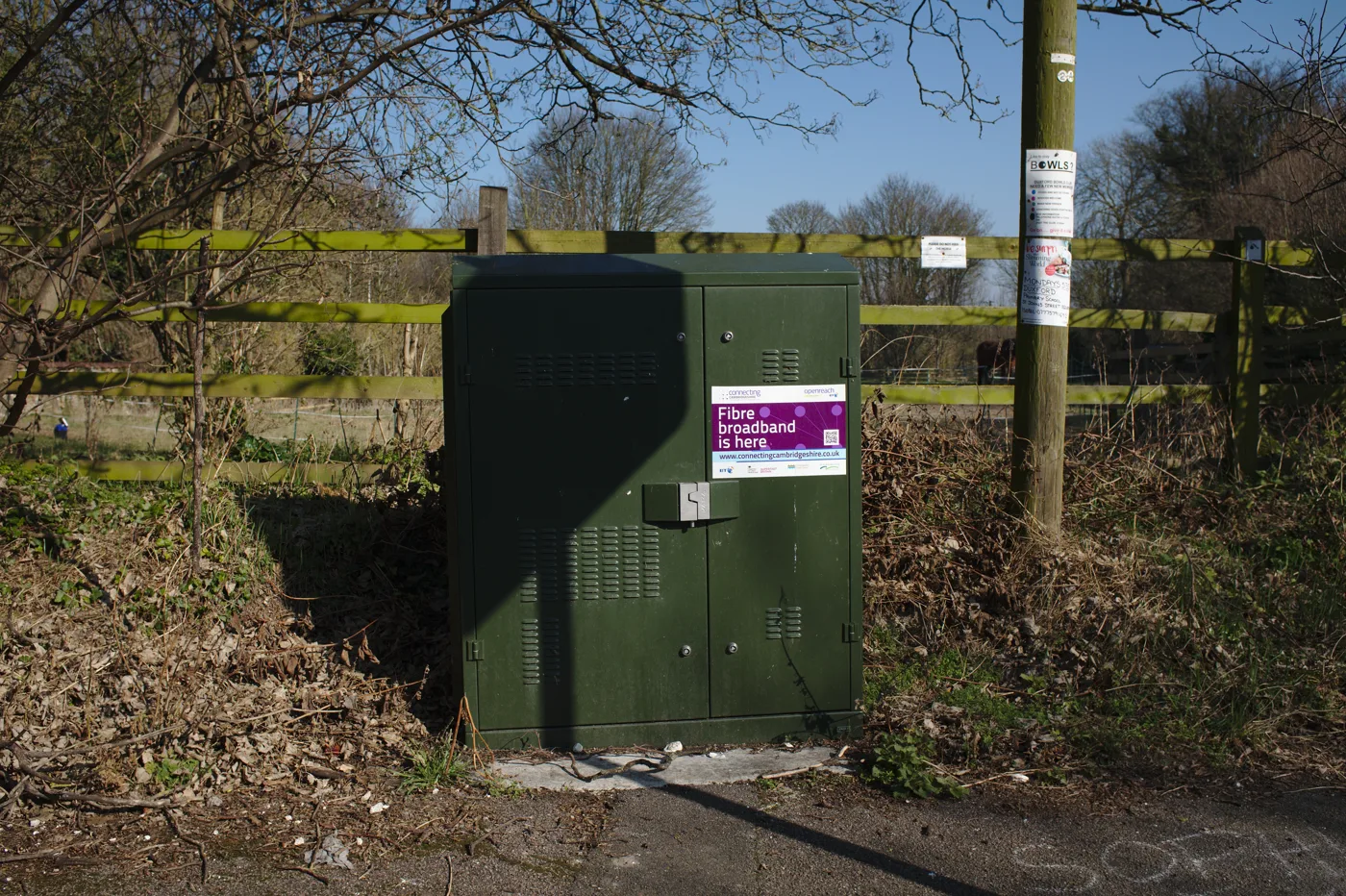
On 7 August Openreach reported that data usage across its full fibre network rose 37 per cent in the first half of 2026 against the same period last year, and that the average full fibre household now gets through about 22.1GB a day. For scale, total UK broadband traffic grew only 4.8 per cent across 2025, so this is not the whole market rising, it is full fibre homes behaving differently once they have the headroom. Openreach puts the growth down to live TV streaming and increasingly large game updates, and its network now passes 23.5 million premises, about 66 per cent of the UK, with 25 million targeted by the end of the year.
The useful takeaway is about the shape of your usage, not the total. 22.1GB a day is roughly a couple of hours of 4K streaming plus a console patch, and none of that strains a gigabit line. What it does strain is the Wi-Fi between your router and the device, which is where nearly every “slow broadband” complaint actually comes from. If your evenings are the problem, start with why broadband is slow in the evening, and if it is one room rather than one time of day, it is a coverage problem: see fix Wi-Fi dead spots. Openreach’s figures are reported at ISPreview.
EE cuts its switching credit from £300 to £200
Also on 7 August, EE reduced the contract buyout it offers new broadband customers from up to £300 to £200. The £300 figure survives if you take broadband with TV. Everything else about the offer is unchanged: you have to activate the service, then email EE your final bill showing the early termination charges within four months, quoting your order number, and wait for it to be validated before the credit lands.
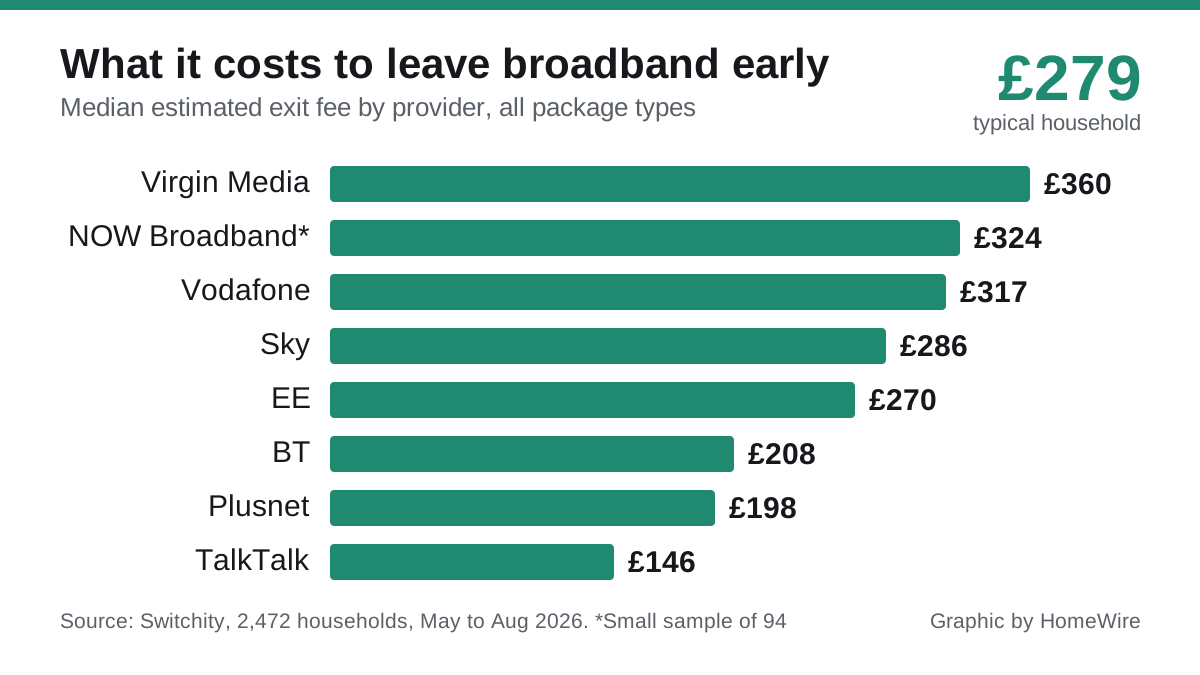
Buyouts matter more than most headline prices, because leaving a contract early is usually the single biggest cost of switching, and a buyout can wipe it out. Two practical points. First, this is a credit applied after the fact, not a payment, so you still have to pay your old provider and wait. Second, £200 does not always cover a long remaining term, so work out your exit charge before you commit rather than after. Virgin Media still advertises up to £300, and if you are leaving them our cancel Virgin Media broadband guide walks through the notice period. The change is reported at ISPreview.
YouFibre halves its 8Gbps price, and drops 12-month contracts
Altnet YouFibre cut its top 8Gbps package from £99.99 to £50 a month at the start of August, and restructured the rest of the range around 24-month terms: 200Mbps at £20, 900Mbps at £25, 1800Mbps at £30 and the 7 to 8Gbps tier at £50, all fixed price with free installation and a Wi-Fi 7 router. The catch is the term itself, because the 12-month option has gone. A rolling monthly deal is still available but costs far more, £34 for 200Mbps and £129.99 for the top tier.
Do not read the 8Gbps price as an argument for buying 8Gbps. Almost nothing in a normal house can use it: gigabit Ethernet caps a wired device at about 940Mbps, and even Wi-Fi 7 over a typical home will not sustain multi-gigabit to a laptop. The interesting number in that list is 900Mbps at £25, which is genuinely more than most households will ever need. Our broadband speed calculator works out what your actual household load requires, and 2.4GHz vs 5GHz vs 6GHz explains why the speed you buy and the speed you see are different things. The pricing is detailed at ISPreview.