BT Broadband Reviews: Speed, Reliability and Value in 2026
Most BT broadband reviews either gush about the brand or pile in on the price. The honest picture is more mixed: BT runs one of the most reliable networks in the country, but you pay a premium for it, and its weak spot is customer service rather than the connection itself. This review covers what BT Full Fibre is actually like to live with in 2026, the speeds you can expect, and the catches worth knowing before you sign a two-year contract.
The packages
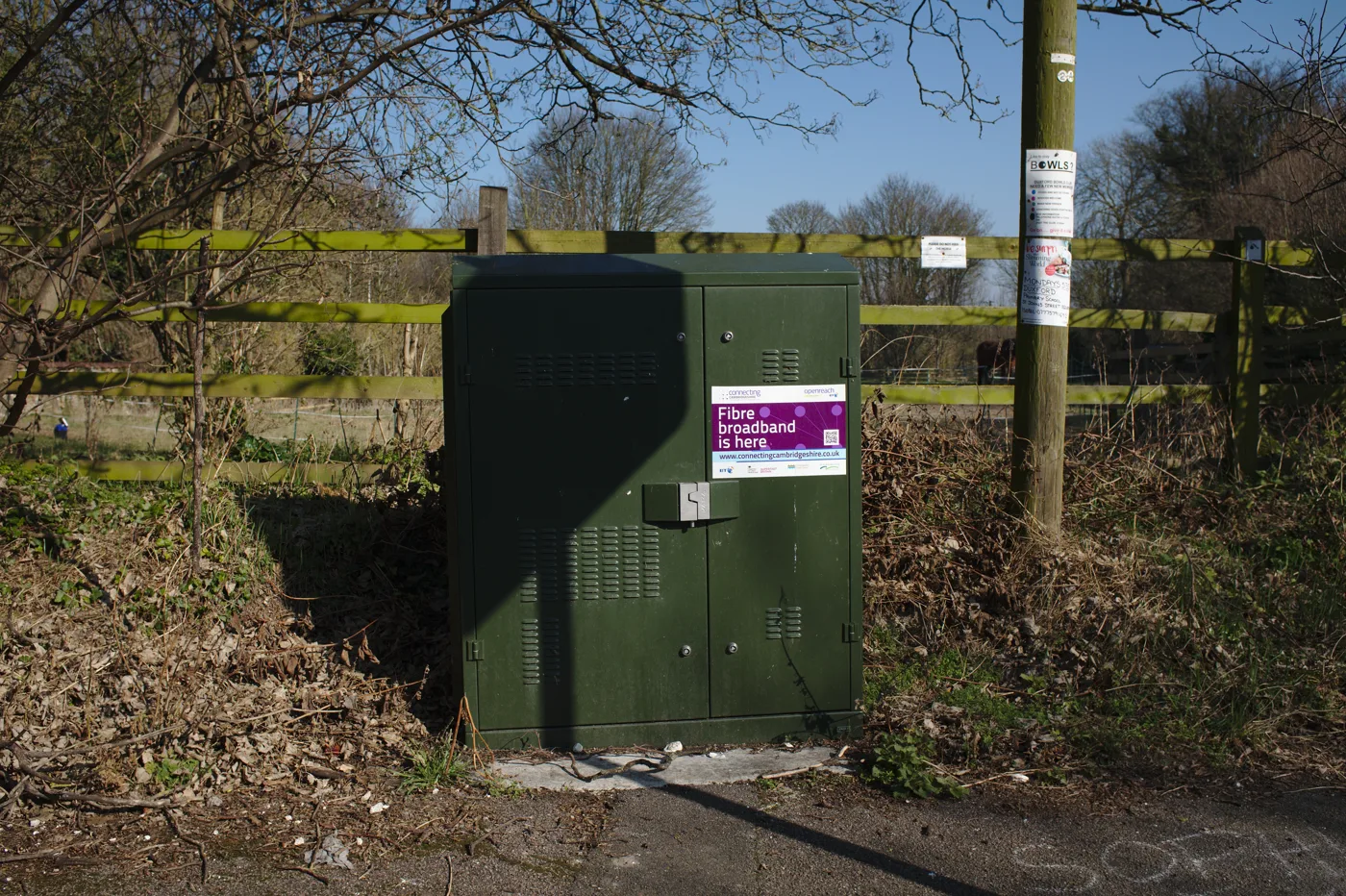
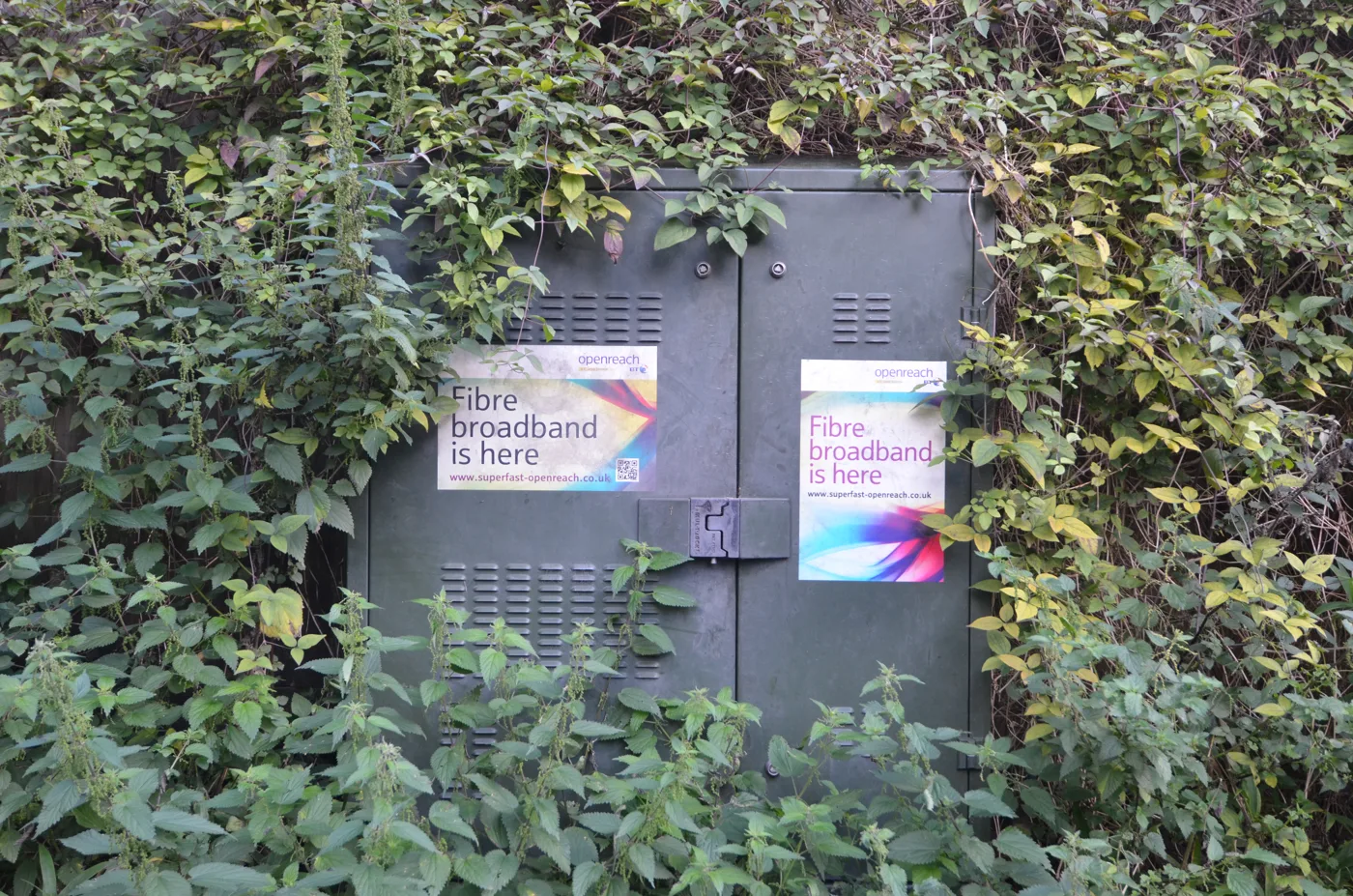
BT sells its home broadband over the Openreach network, the same wires most UK providers use, so coverage is wide. Its current range is built around Full Fibre (fibre to the premises), sold in speed tiers:
- Full Fibre 100: around 100Mbps, fine for a couple or small household.
- Full Fibre 300 and 500: the sweet spot for a busy family home with lots of devices.
- Full Fibre 900: roughly gigabit, for heavy users, large homes or people who move big files.
Where Full Fibre has not reached, BT still offers slower part-fibre (FTTC) connections, but the network is steadily moving everyone to full fibre. Contracts are typically 24 months.
Speeds: does it deliver?
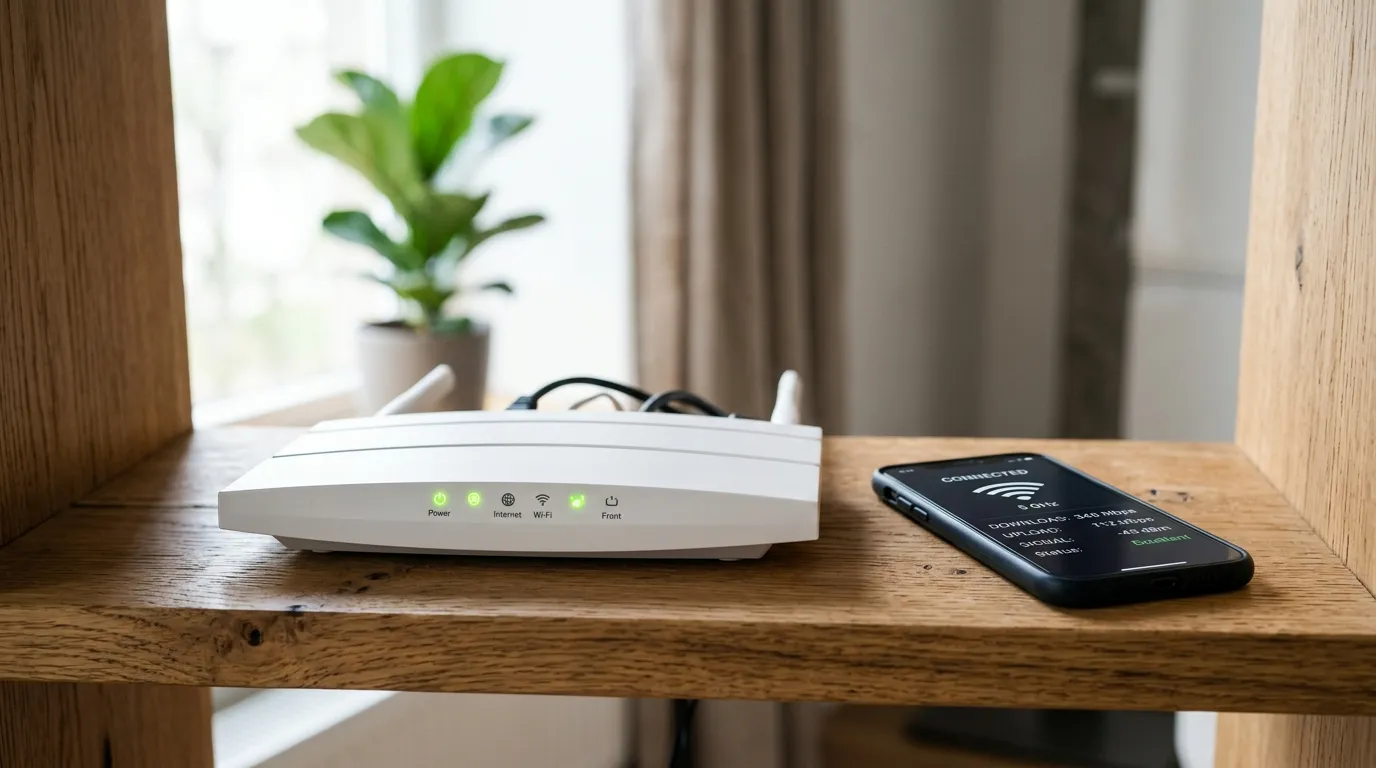
This is where BT does well. On Full Fibre the advertised speed is close to what you get on a wired connection, and gigabit customers regularly see real-world figures in the high hundreds of megabits over Ethernet. Wi-Fi speeds are lower than wired, as they are on any provider, which is usually a home network issue rather than a BT one. If your BT line tests fast at the router but slow around the house, our guide on why your Wi-Fi is so slow will help more than switching provider.
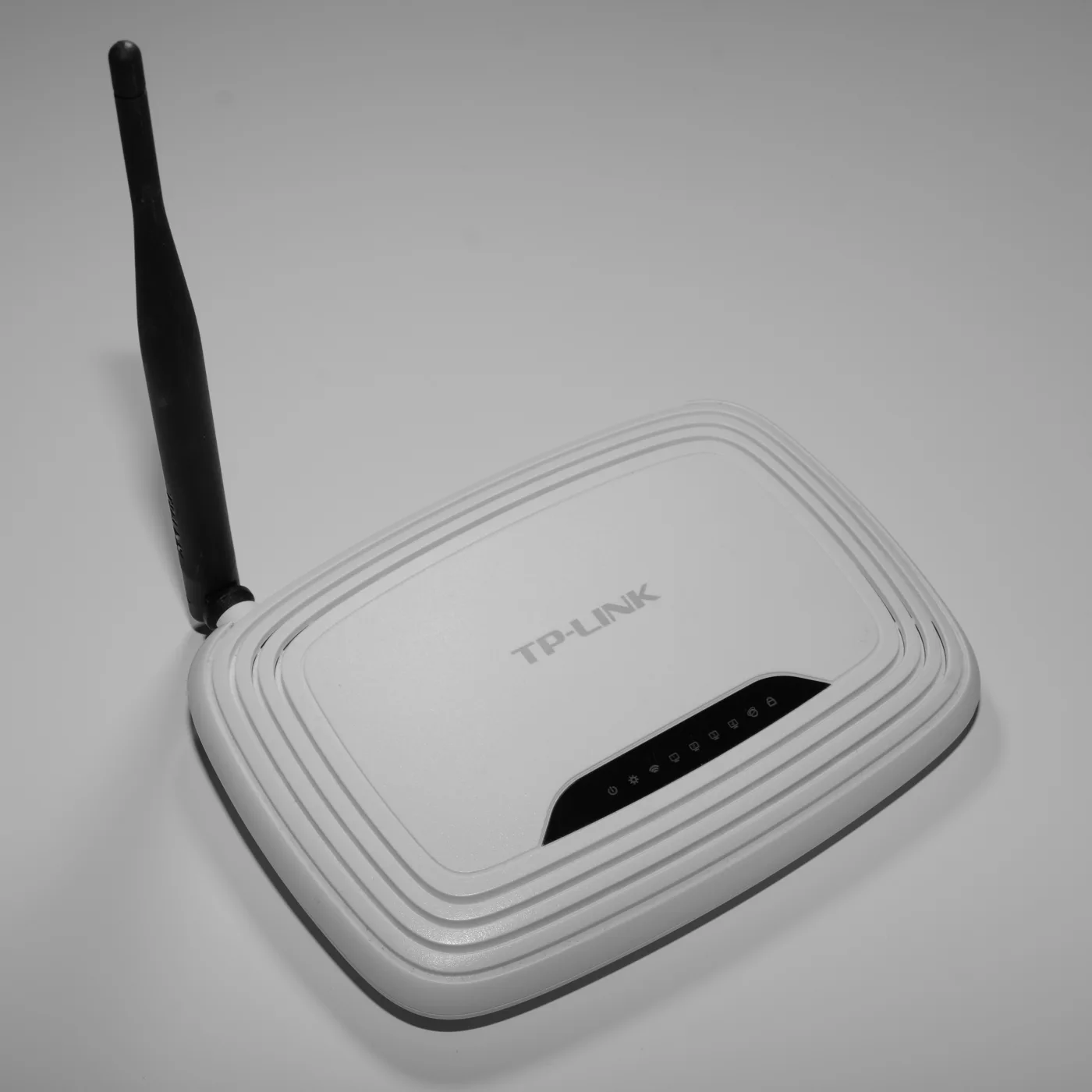
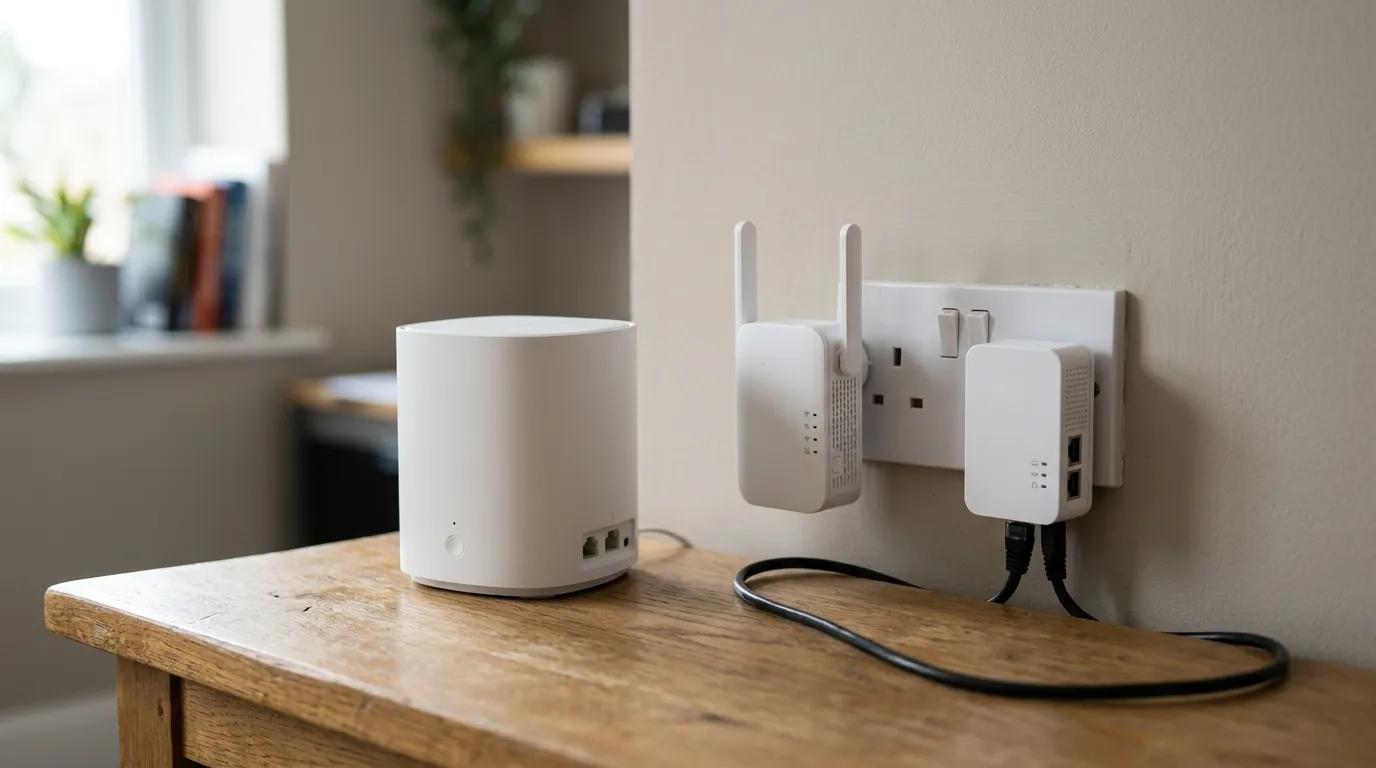
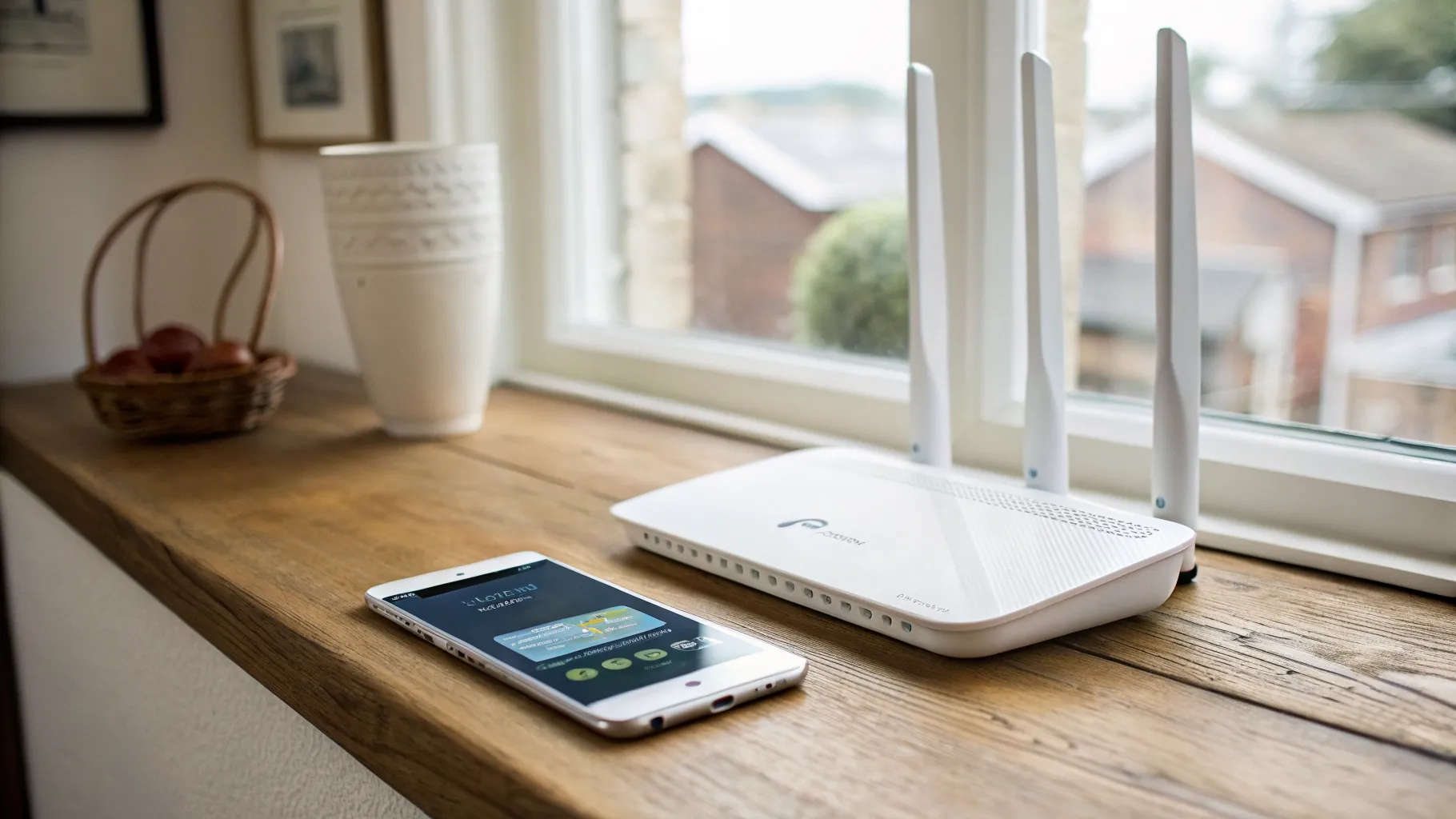
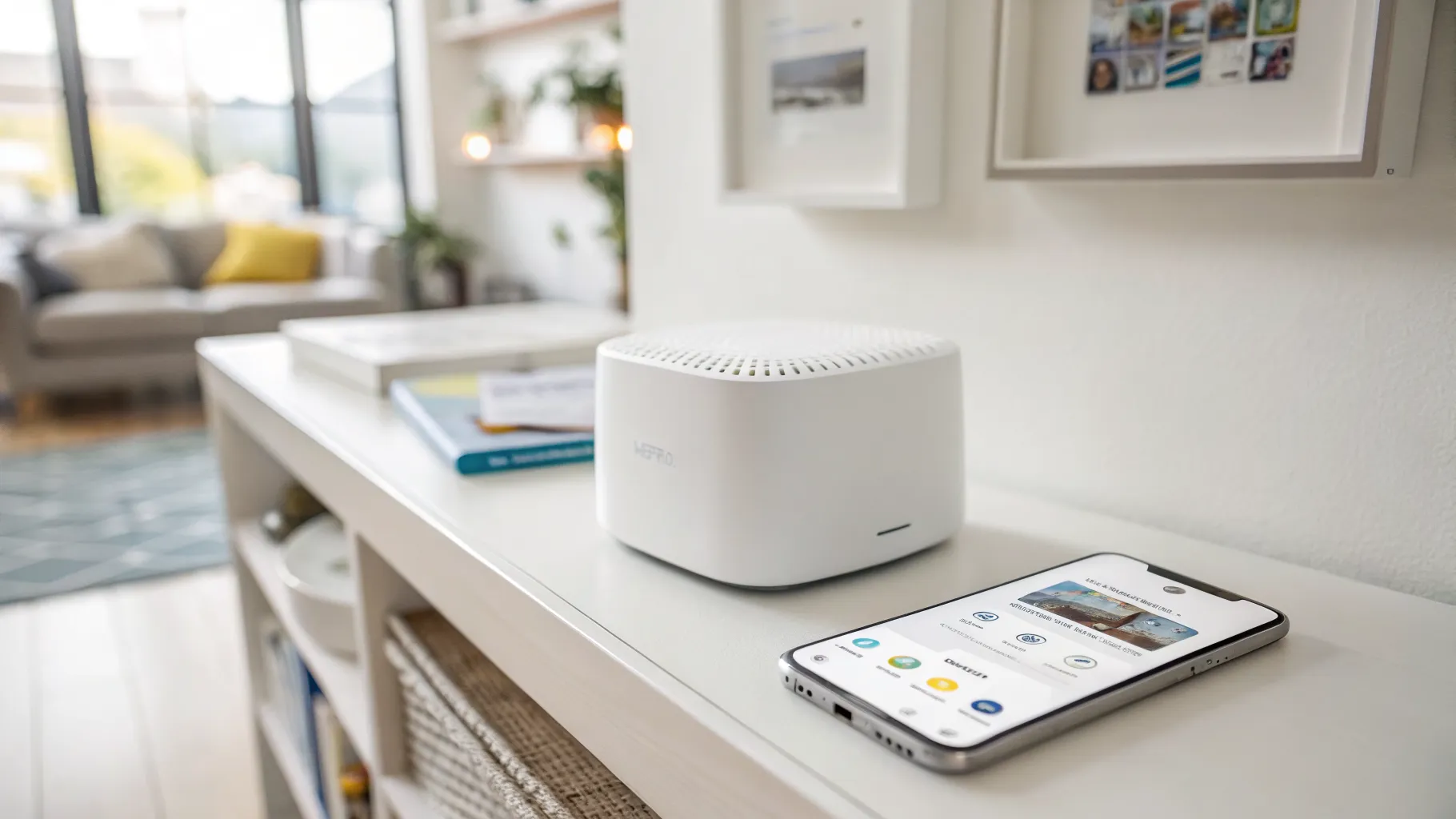
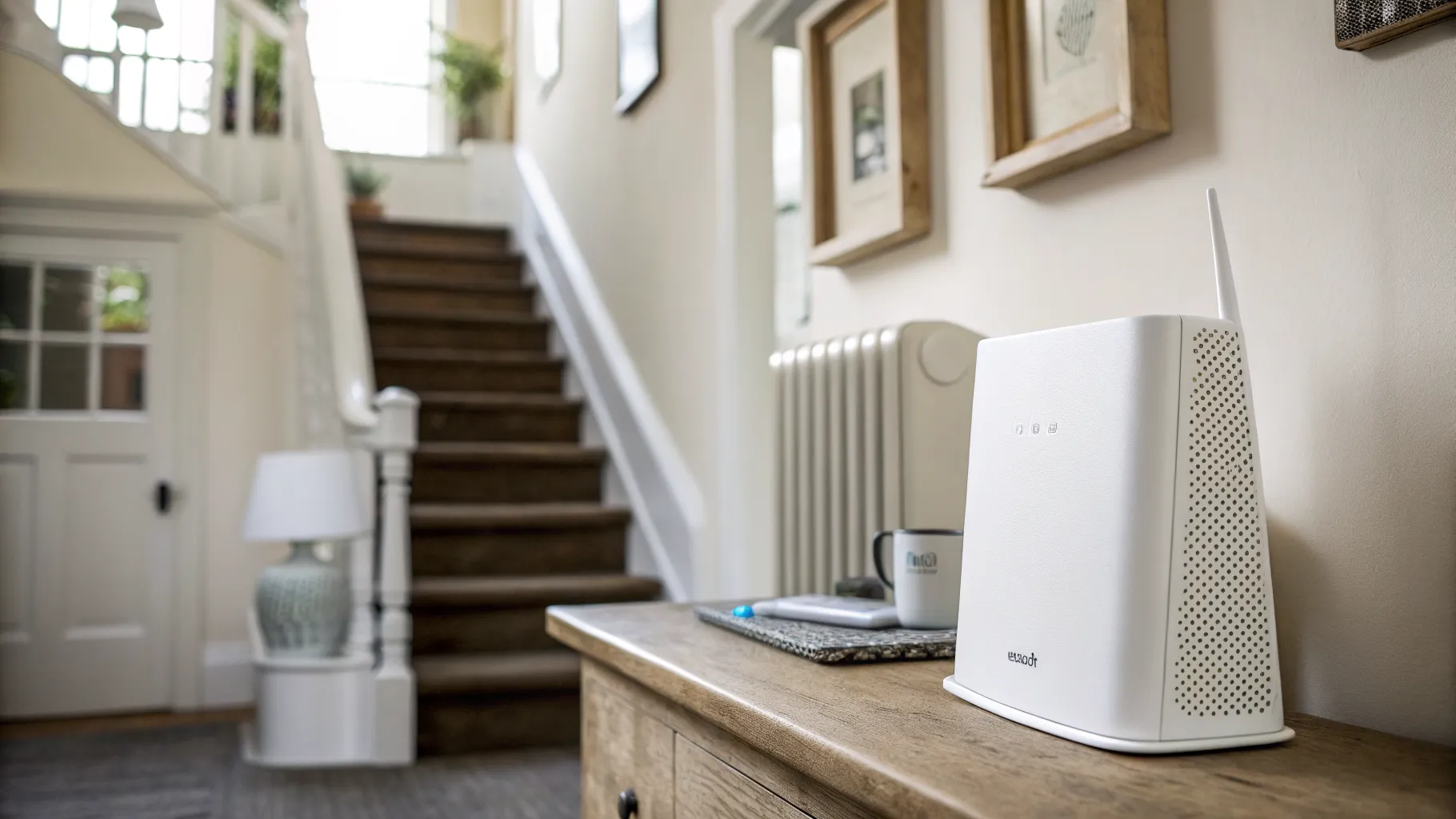
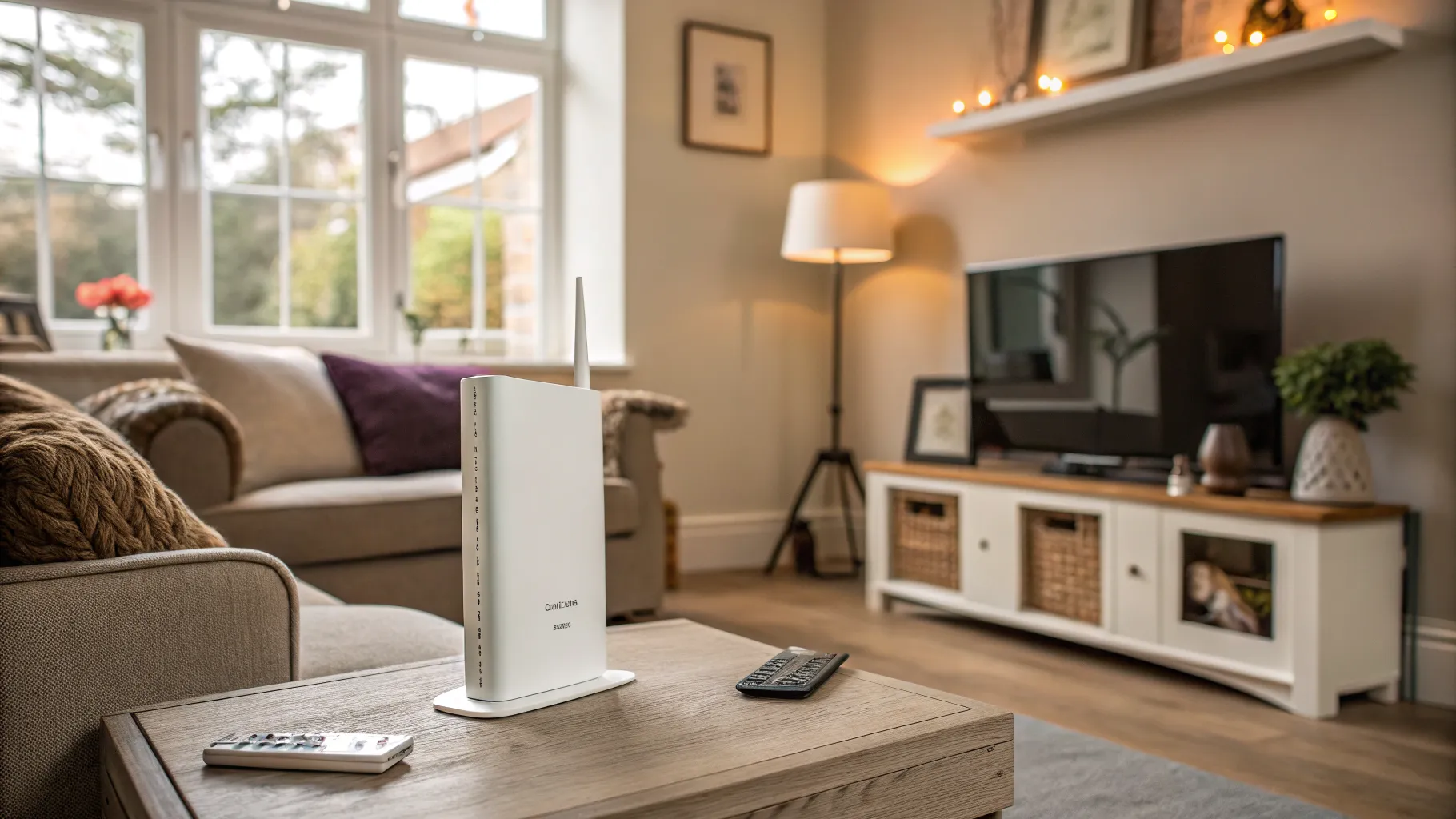
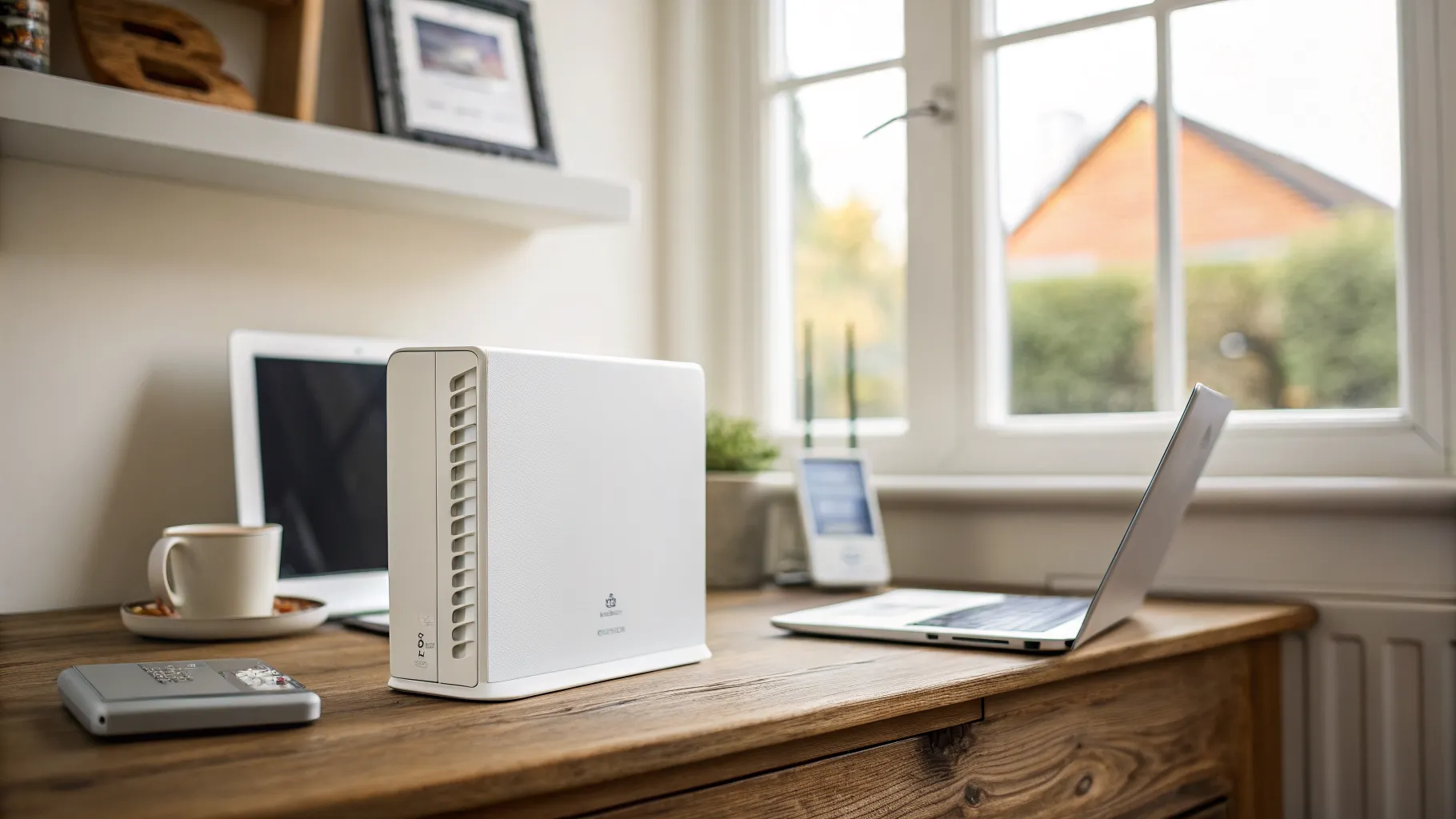
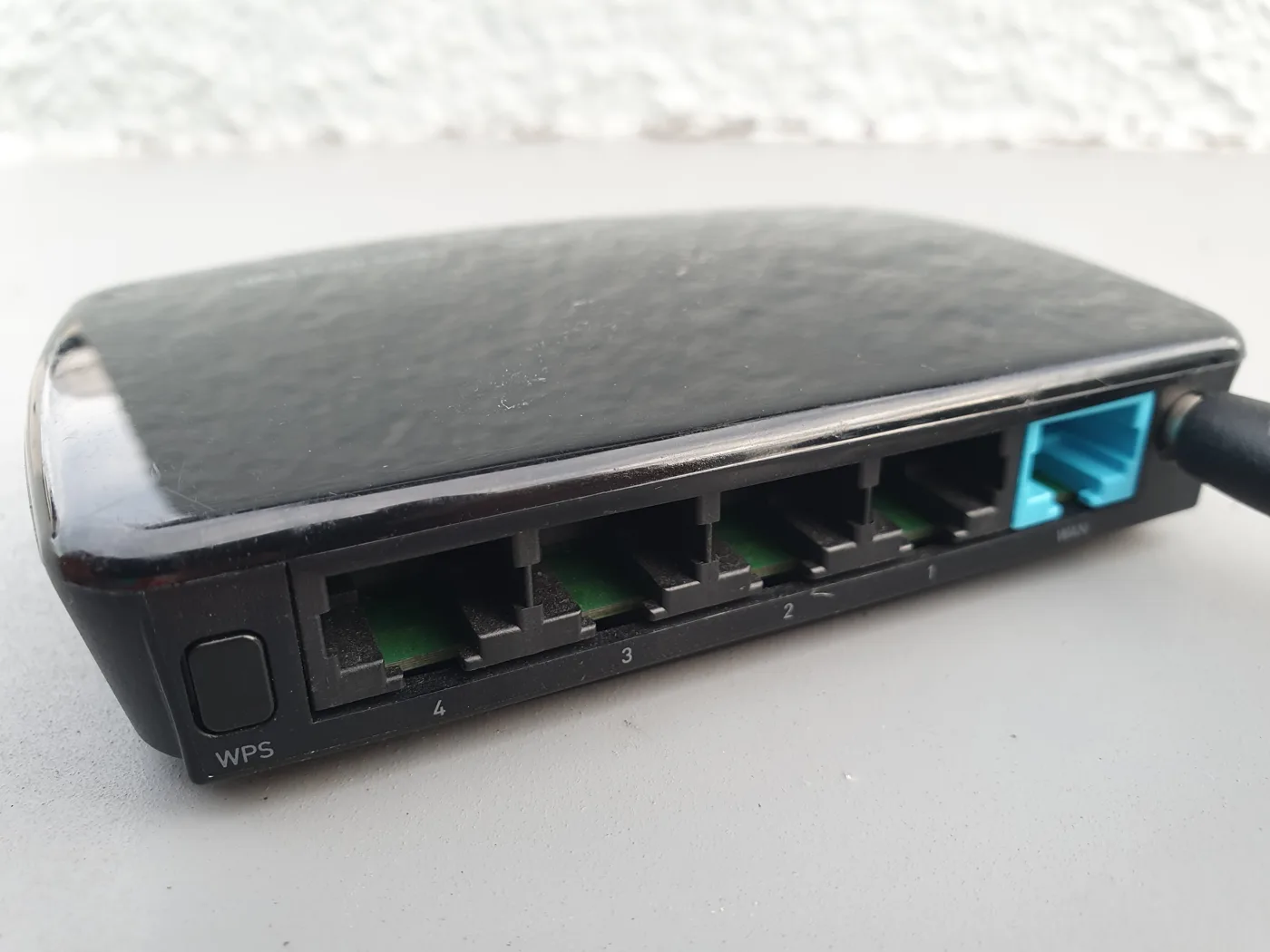
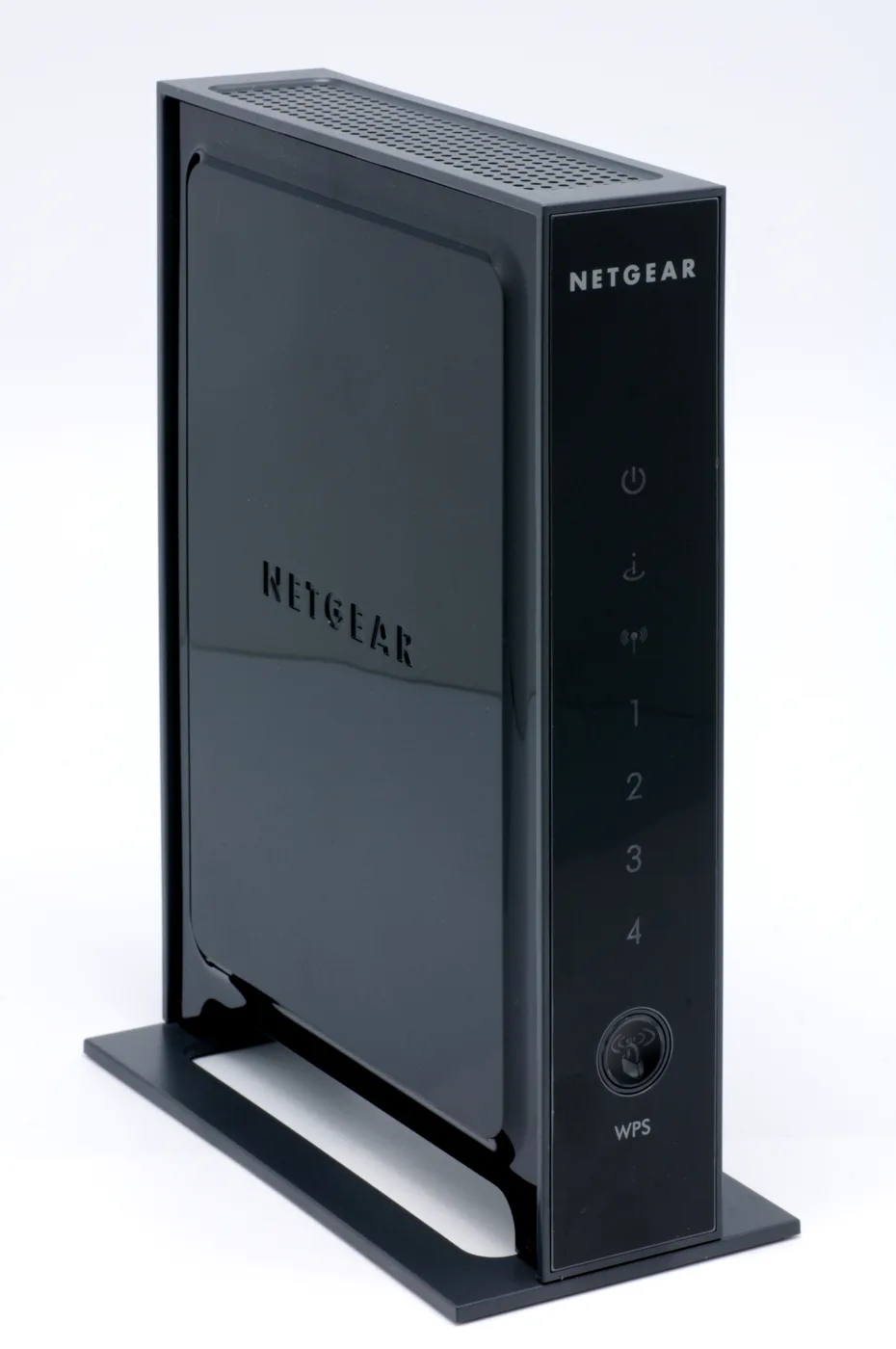
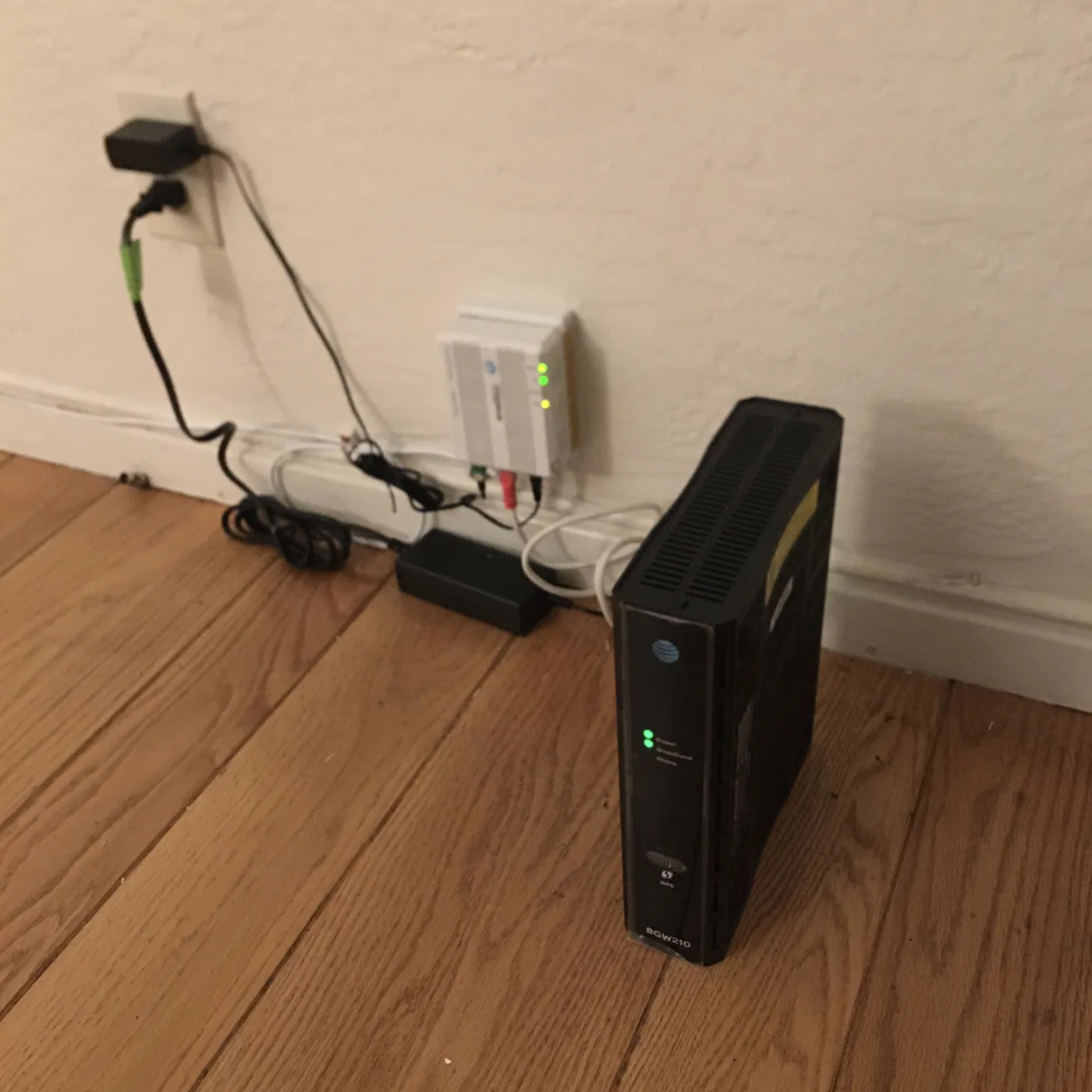
BT’s Smart Hub router is solid, and its Complete Wi-Fi option adds mesh discs to fill blackspots, though you can often achieve the same with your own kit for less.
Reliability and customer service: a split verdict
Independent data backs up BT’s reputation for a stable connection. Ofcom’s figures put BT’s technical reliability and network coverage among the best in the sector, and most customers rate its speed and reliability highly. You can check the latest complaints tables yourself on the Ofcom website.
The weakness is service. BT’s customer satisfaction sits below the industry average, and the common complaints are about how issues and cancellations are handled rather than the broadband dropping out. If you value never having to phone support, that matters; if you rarely contact your provider, it may not.
The price-rise catch
BT is a mid-to-premium provider, so you are rarely getting the cheapest deal. The bigger gripe in most reviews is mid-contract price rises: like several big providers, BT applies an annual increase during your contract, so the price you sign up at is not the price you keep paying. Budget rivals, including EE (which BT owns and runs on the same network) and Plusnet, often undercut it. Read the price-rise terms before you commit, and diarise your contract end date so you can renegotiate or switch.
Who BT suits
BT is a strong choice if you want a rock-solid connection, wide Full Fibre availability, and a recognised name, and you are willing to pay a little more for it. It is a weaker choice if price is your main concern or you want a provider known for easy, no-hassle support. For comparison, see our Three broadband review. Either way, if your current connection slows to a crawl at night, check our guide to broadband being slow in the evening before you blame the provider, and if you are new to all this, start with what is broadband.
Switching to or from BT
Switching broadband got simpler in 2024, when the industry moved to One Touch Switch. You now arrange the change with your new provider only, and they handle the move and cancel your old service, so you no longer have to phone your existing supplier to leave. That helps if BT’s cancellation process is the part you were dreading.
A few practical points. Check whether you are still in your minimum term before switching away from BT, as leaving early can trigger a charge for the remaining months. If you are joining BT, ask for the total cost over the whole contract, including the scheduled annual rise, not just the headline first-year figure. And keep your old router until the new line is confirmed working, so you are never left offline mid-switch.
Frequently asked questions
Is BT broadband reliable? Yes, on the whole. Independent Ofcom data rates BT’s network reliability and coverage among the best in the UK, and most customers are happy with speed and uptime. Its weaker area is customer service and complaint handling rather than the connection itself.
Is BT broadband worth the price? It depends on what you value. BT sits in the mid-to-premium bracket, so you pay more than budget rivals like EE or Plusnet, which use the same Openreach network. If you want a dependable connection and a well-known brand, many people feel it is worth it; if price is your priority, cheaper options exist.
What speeds does BT Full Fibre offer? BT Full Fibre comes in tiers from around 100Mbps up to roughly gigabit (900Mbps), depending on what is available at your address. On a wired connection the real-world speed is usually close to the advertised figure, with gigabit customers often seeing high-hundreds of megabits over Ethernet.
Does BT broadband put its prices up mid-contract? Yes. Like several major providers, BT applies an annual price increase during your contract, so your monthly cost rises over the two years even if you signed up on a deal. Always read the price-rise terms and note your contract end date so you can review it.
Is EE the same as BT broadband? EE is owned by BT and its broadband runs on the same Openreach network, so the underlying connection is comparable. EE is generally positioned as the more budget-friendly brand, so it can be worth comparing the two before choosing.