Broadband Speed Calculator: How Much Do You Actually Need?
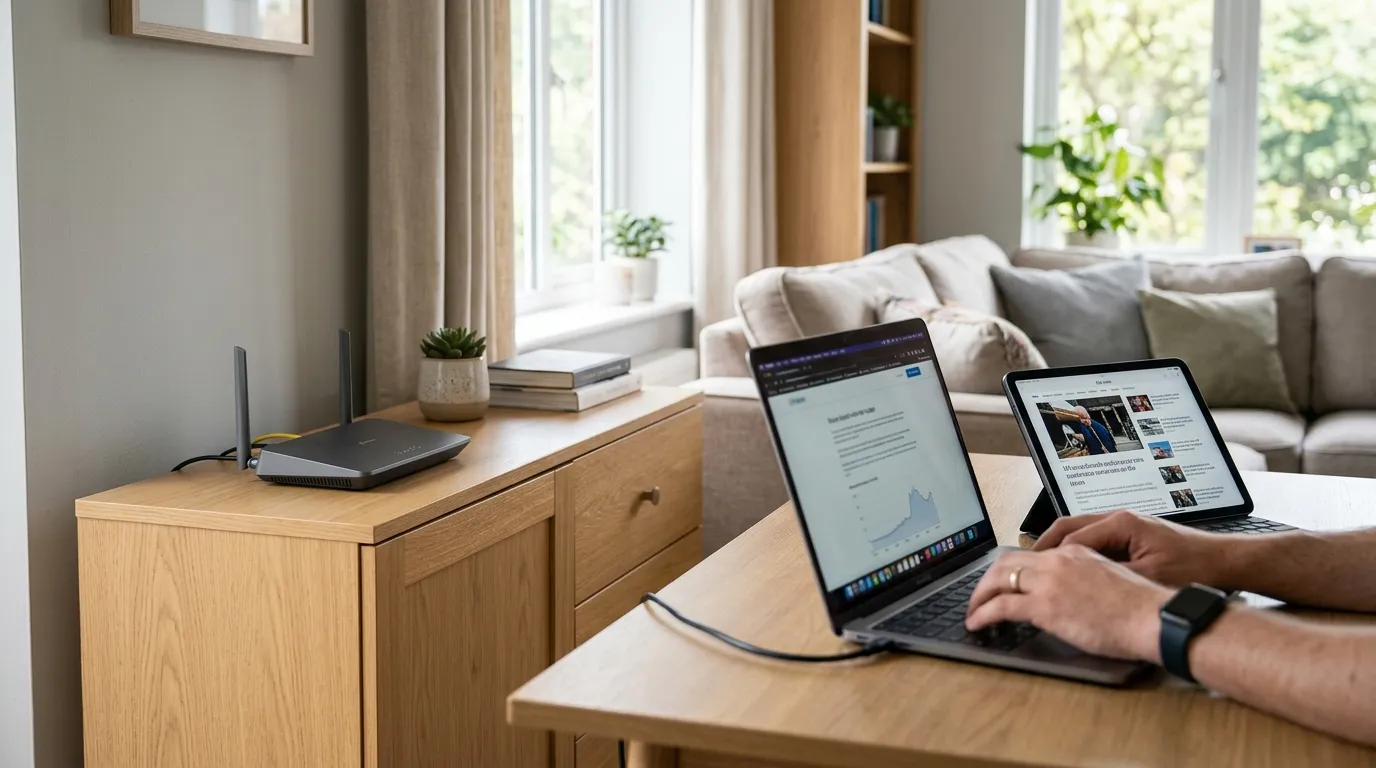
Tell us how your household actually uses the internet, all at the same time, and we work out a sensible download and upload speed to aim for, in Mbps. The key insight most people miss: it is not the number of gadgets that matters, it is how many heavy things run at once. One 4K film plus two video calls can stretch a line that happily runs ten idle phones.
How is your household using the internet at peak time?
Picture your busiest evening with everyone online at once, then fill this in.
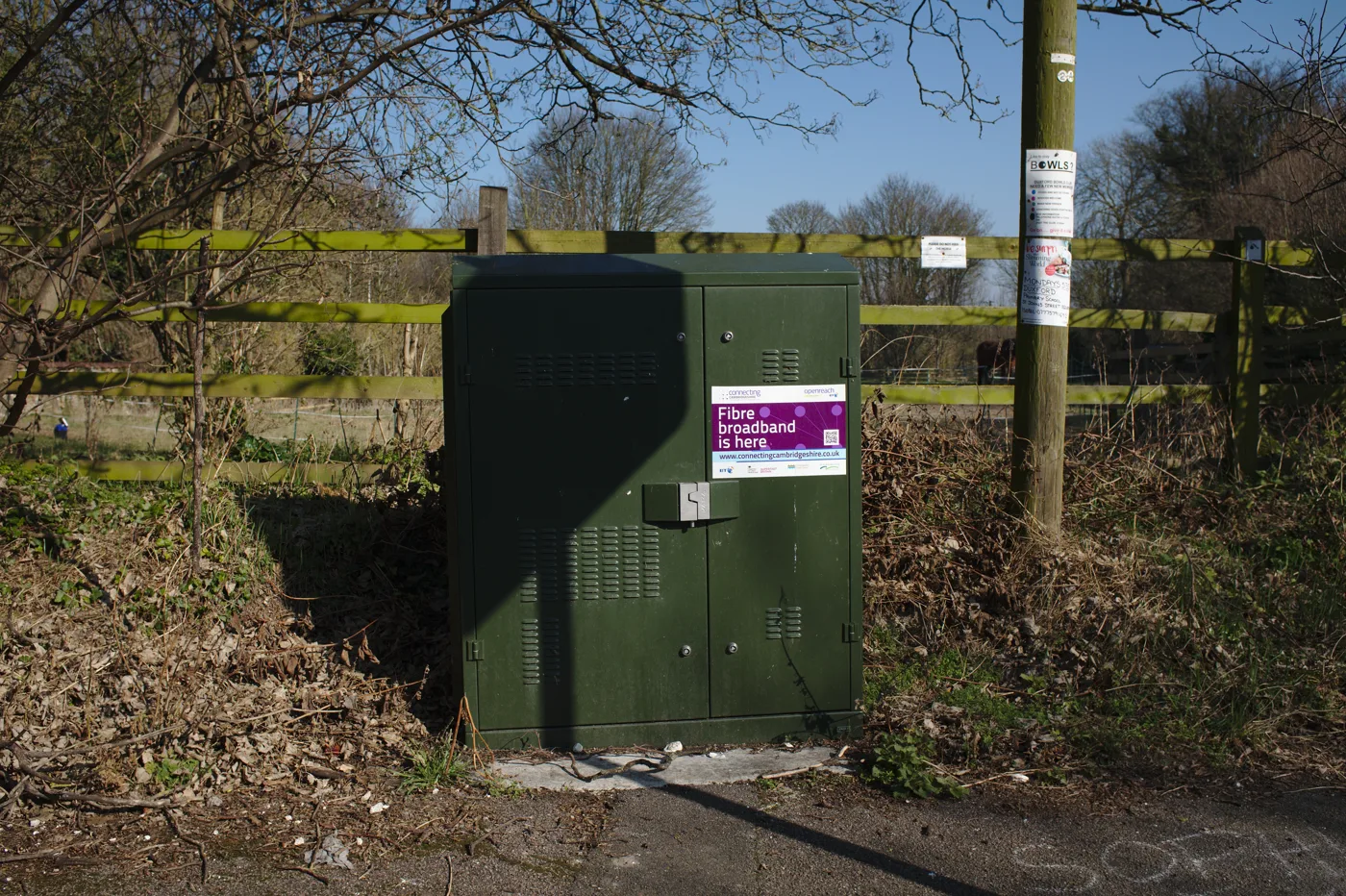
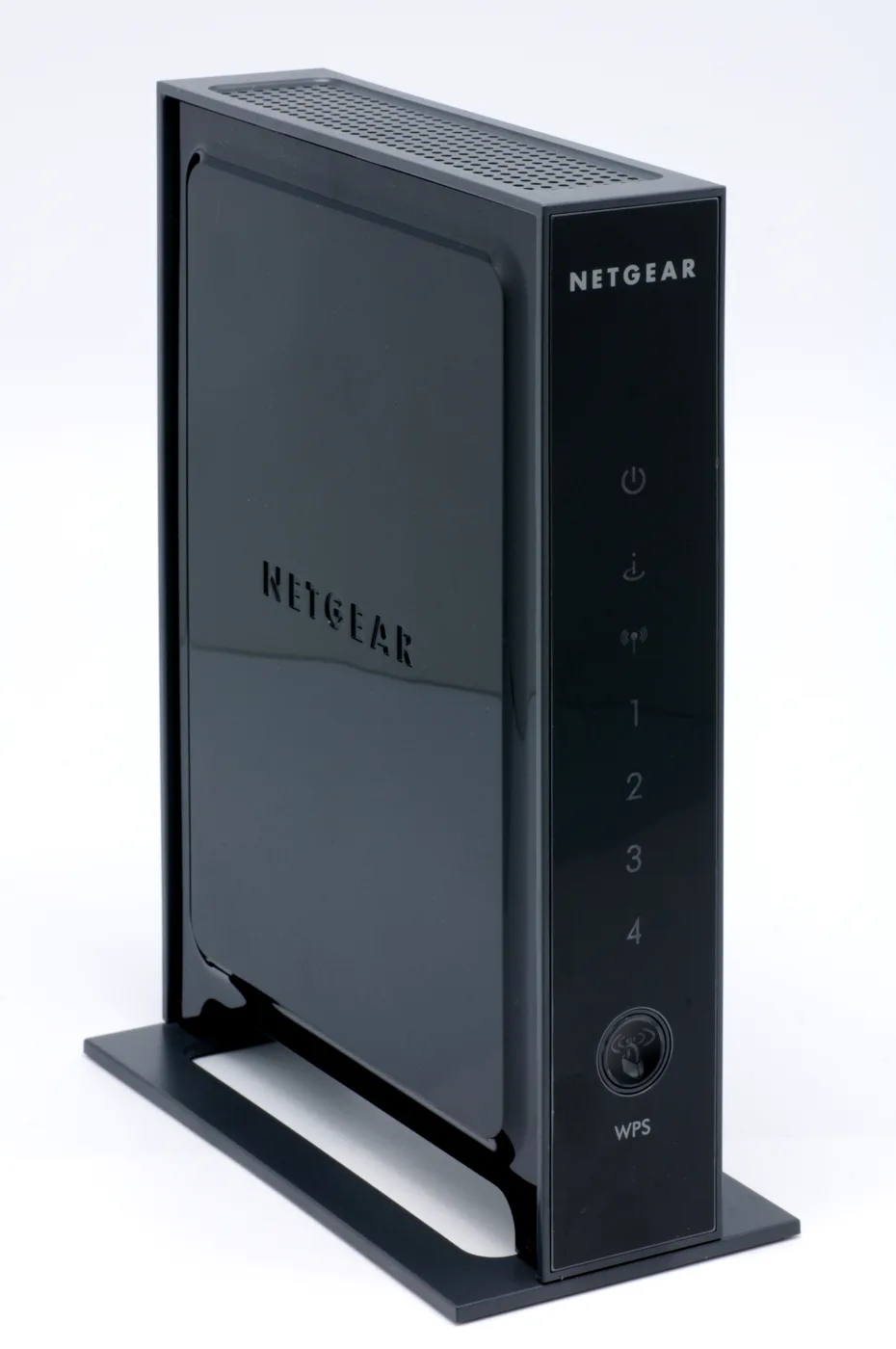
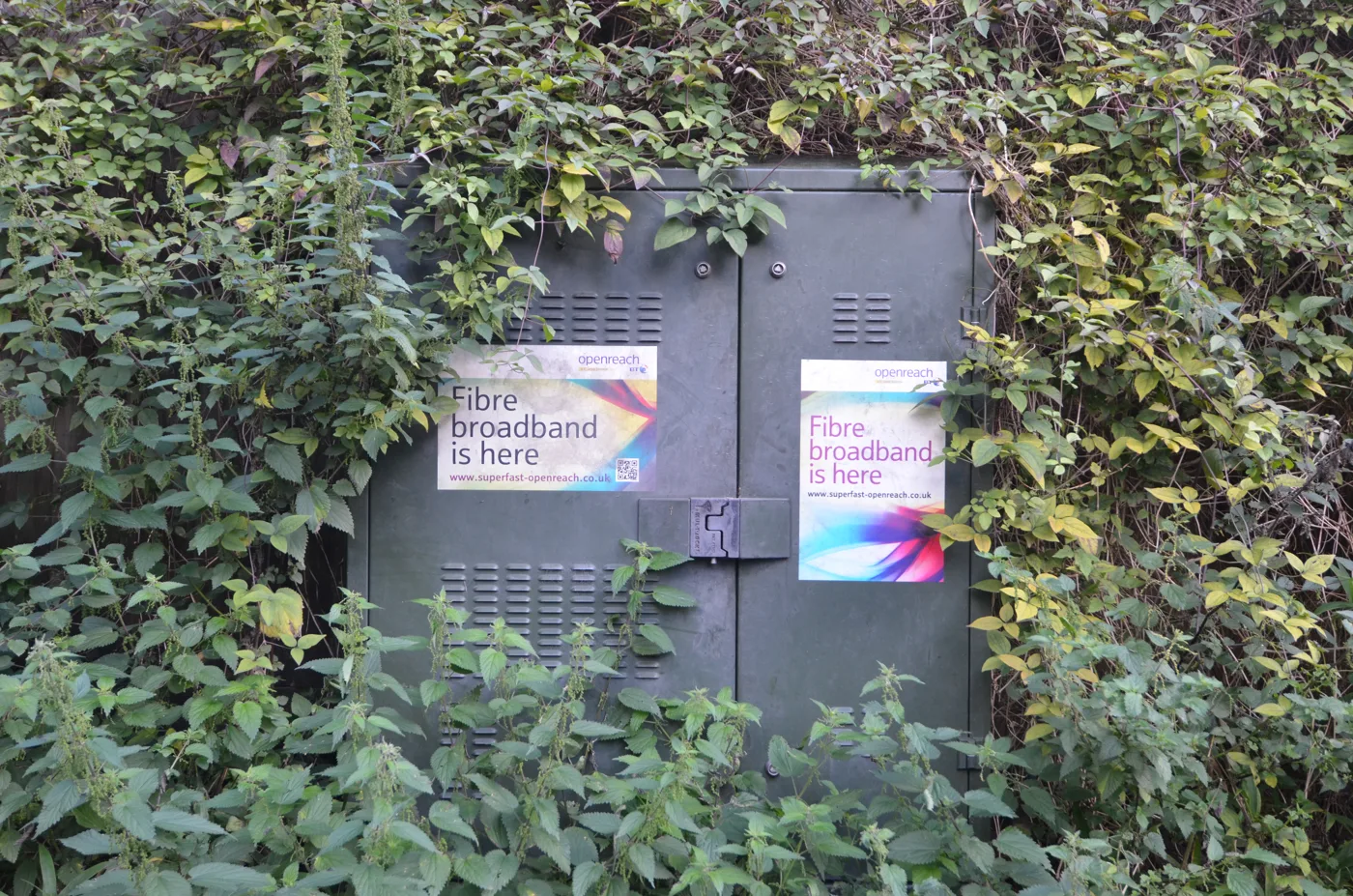
These figures are planning targets, not guarantees. Wi-Fi loss, an old router, the wiring to your home and the time of day all eat into the speed you actually get, so it pays to aim a band above the bare minimum rather than exactly at it. Upload speed is the one most people forget: on older part-fibre (FTTC) lines it is often only 9 to 20 Mbps, which is fine for browsing but tight when several people upload to the cloud or join HD video calls at once. Full-fibre (FTTP) packages give far more upload headroom.