Virgin Media Switch Failed: Billed £300 After Leaving
Switching broadband is meant to take one phone call to your new provider, and most of the time it does. This week’s main story is about what happens when it quietly fails, and how to spot it early. There is also a 5Gbps plan in the East of England, the first signs of IPv6 on Virgin Media’s network, a warning about analogue phone lines in Northern Ireland, and the next step in BT’s takeover of TalkTalk.
A Virgin Media switch that never finished led to debt collectors
ISPreview reported on 20 October the case of Vasily Shilimov, who switched away from Virgin Media in December 2025 and started using his new connection on 2 January 2026. Virgin Media emailed him to confirm the switch, but the switch had not actually completed, and it kept billing him for months. He called in January and again on 20 April. Virgin Media acknowledged the failure in writing on 27 July, but still issued a default notice and passed the debt to collectors, and he got missed-payment markers on his credit file for July, August and September 2026. The incorrect bills came to about £300.
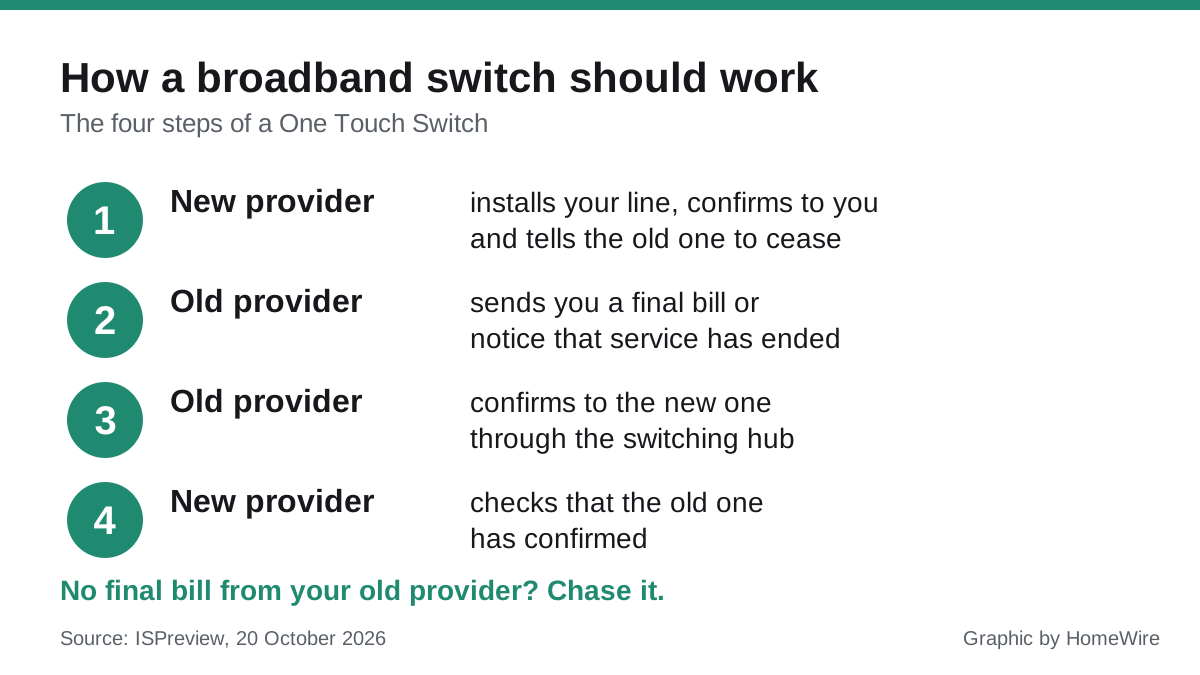
After ISPreview raised it, Virgin Media closed the account, refunded everything he had paid since January and offered a goodwill payment of about £300. It said it had received the first switch notification but never the confirmation from the new provider that the switch had completed. Ofcom told ISPreview that both providers are responsible for following the rules and that more than 3.5 million One Touch Switches have gone through in two years. The lesson for anyone switching: your old provider should send a final bill or notice that service has ended. If it does not arrive, or your old direct debit is still being taken a month later, raise it with both providers straight away, and take it to the ombudsman if it is not fixed. Our guide to cancelling Virgin Media broadband covers what to keep in writing. Reported by ISPreview.
Connect Fibre adds a 5Gbps plan for £44.99
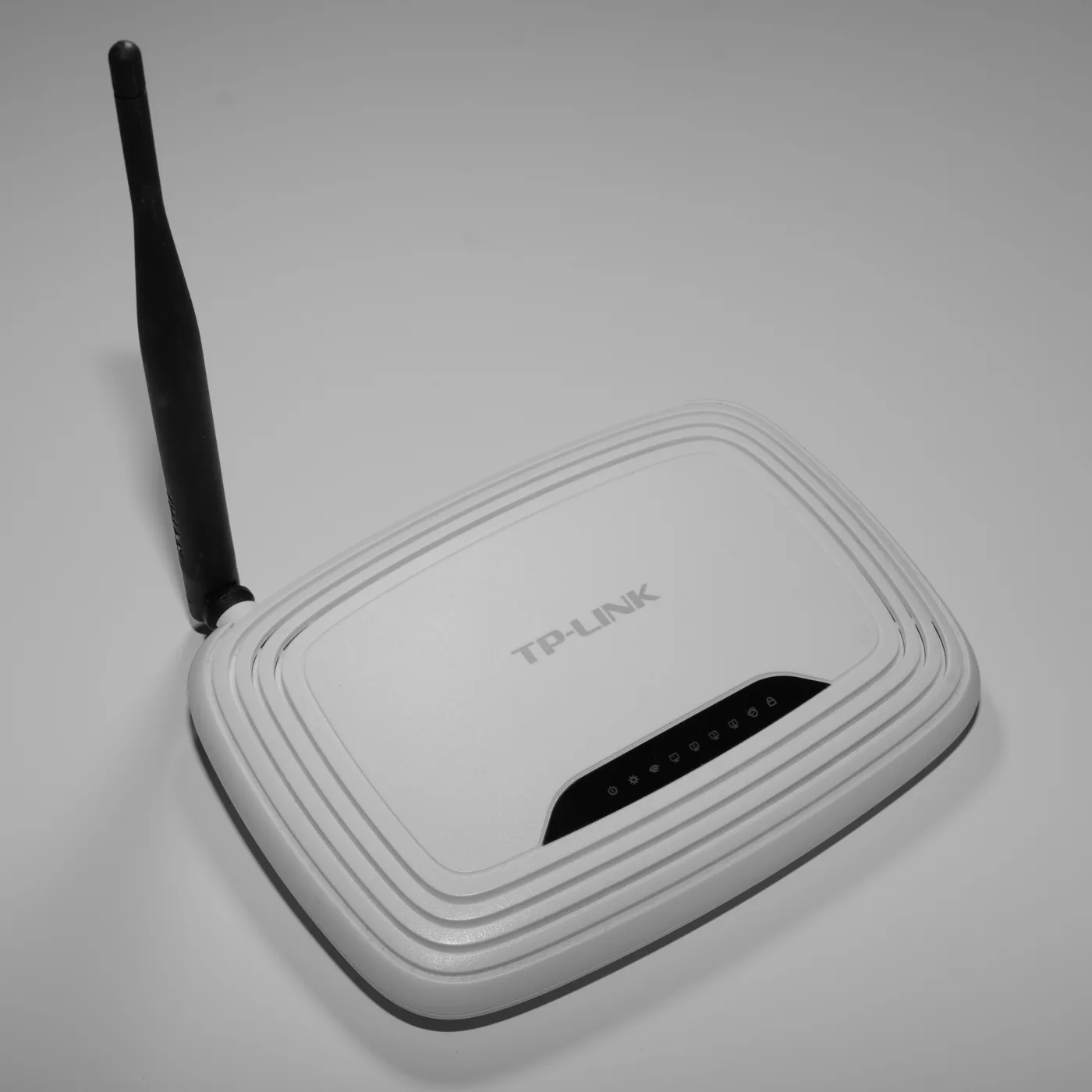
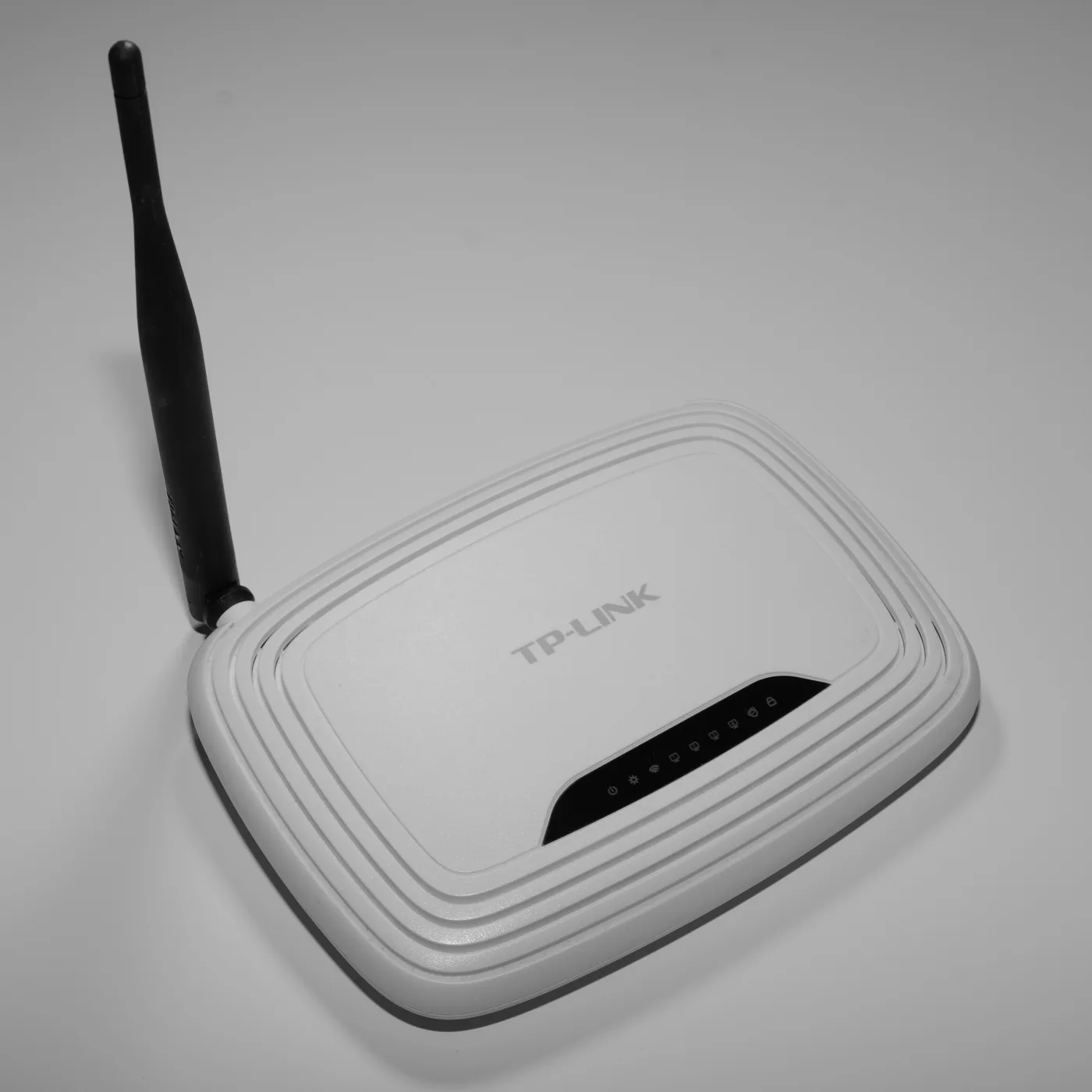
Connect Fibre, which builds full fibre across the East of England, added a 5Gbps package on 15 October, with an average advertised speed of 4,500Mbps both ways. It costs from £44.99 a month on a 24-month contract, or £49.99 on 12 months, with unlimited data, free installation and a Wi-Fi 7 router from TP-Link. Its slower plans start at £24.99 for 250Mbps, £29.99 for 1Gbps and £34.99 for 2Gbps, and its Black Friday offers run until 18 December 2026.
Before paying for 5Gbps, check whether anything in your house can use it. No single Wi-Fi device gets close, and most laptops and games consoles have a gigabit Ethernet port, so you would need multi-gig network cards and a network switch that supports them to see the difference. For most homes the 1Gbps plan, with good Wi-Fi coverage, is the better buy; our guide to what broadband speed you need works through it. Reported by ISPreview.
The first signs of IPv6 on Virgin Media
ISPreview reported on 19 October that APNIC’s measurements show the share of Virgin Media connections able to use IPv6, the newer internet addressing system, rising from about 0.2% to nearly 1.1% since the middle of September. The share actually preferring IPv6 has not moved, which ISPreview reads as early preparation for a trial. O2’s broadband network has also crept up to about 1.36% from around 0.4%. Virgin Media told ISPreview it had nothing to announce.
Why it matters at home: without IPv6, providers that run short of the older IPv4 addresses put several customers behind one shared address (CGNAT), which can break game hosting, remote access to cameras and some VPNs. If your router’s status page starts showing an IPv6 address, leave IPv6 switched on. Our explainer on what makes a good ping for gaming covers the related connection problems. Reported by ISPreview.
35,000 Northern Ireland lines are still on the old phone network
On 15 October Openreach said 35,000 of its customers in Northern Ireland have not yet moved off the old analogue phone network, which is due to close on 31 January 2027. Across the UK, ISPreview says, 1.2 million lines still have to move, including 350,000 business premises, and 15 million already have. Nobody will be cut off on the day: those who have not moved will get a limited emergency calls service, but it lacks some features and costs more than the old one.
Openreach’s advice is to check what else uses the line, not just the phone: telecare and medical alarms, other alarms, card machines, lift phones and some CCTV may rely on it. Ask your provider, and the company that supplies the equipment, before the deadline. If you only kept the landline because broadband needed it, our guide to broadband without a phone line explains the options. Reported by ISPreview.
Also this week
The Competition and Markets Authority delivered its report on BT’s purchase of TalkTalk to the Culture Secretary on 19 October, on deadline. It has not been published; the Secretary of State now decides whether the deal goes to a deeper phase 2 review. TalkTalk customers still need do nothing. See the CMA case page.
On 20 October the SNP MP Graham Leadbitter tabled a Private Members’ Bill to make energy, broadband and mobile providers offer social tariffs to people on certain benefits; today they are voluntary. The bill has not been published yet and its second reading is set for 27 November 2026. Most such bills do not become law. Reported by ISPreview.