Broadband Exit Fees: Typical UK Household Faces £279
Four UK broadband stories from this week, picked because each one changes a decision a household might actually make. One puts a number on what it costs to walk away from your contract, one is a security scare at BT, one shows how many homes are still on the old phone network with four and a half months to go, and one is a speed record most people should ignore.
Leaving a broadband contract early costs a typical household £279
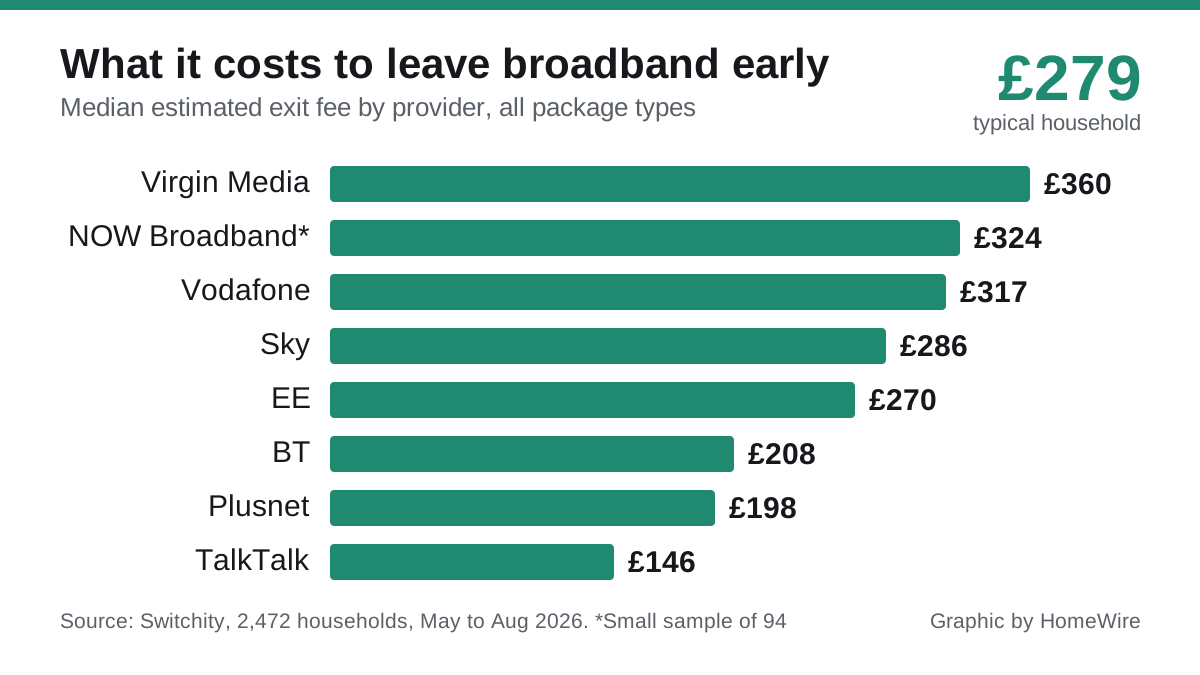
Comparison site Switchity has published an exit fees report built from 2,472 UK households who used its cancellation calculator between 16 May and 31 August 2026. The typical (median) household faced an estimated early exit fee of £279, and 43.7 per cent faced £300 or more.
By provider, across all package types, Virgin Media was the most expensive to leave at a median £360, followed by NOW Broadband at £324 (from a small sample of 94 households), Vodafone at £317, Sky at £286, EE at £270, BT at £208, Plusnet at £198 and TalkTalk at £146. TV makes a big difference: households with a TV bundle faced a median £396 against £261 for broadband only.
Switchity puts the order down to how each provider charges. Virgin Media and NOW charge close to the full remaining bill, TalkTalk charges a flat amount for each month left, and BT, EE and Plusnet knock off the costs they no longer carry once you leave. These are estimates from each provider’s published method, not billed amounts.
Why it matters: the typical household checked with 12 months still left on the contract, and 43.7 per cent faced a fee at least as large as the biggest switching credit on the market. If a new provider’s buyout offer is £200 or £300, check your own figure before assuming it covers you. If you are with Virgin Media, our walk-through on how to cancel Virgin Media broadband covers the notice period and the return of kit. The full data is in Switchity’s report, reported by ISPreview on 17 September.
BT email users flooded with password reset PIN texts
Since the weekend of 12 and 13 September, BT broadband customers who use a BTInternet email address have been reporting floods of password reset messages on BT’s community forum, some with hundreds of texts each carrying a one-time four-digit PIN. ISPreview reported on 16 September that at least one customer said their account had been taken over overnight, although it was not clear whether that was linked to the same flood.
BT told ISPreview that “a small number of customers” had received repeated reset messages, that it has put mitigations in place to stop further messages, and that it is contacting affected customers to tell them to ignore the PINs. It says customers do not need to take further action.
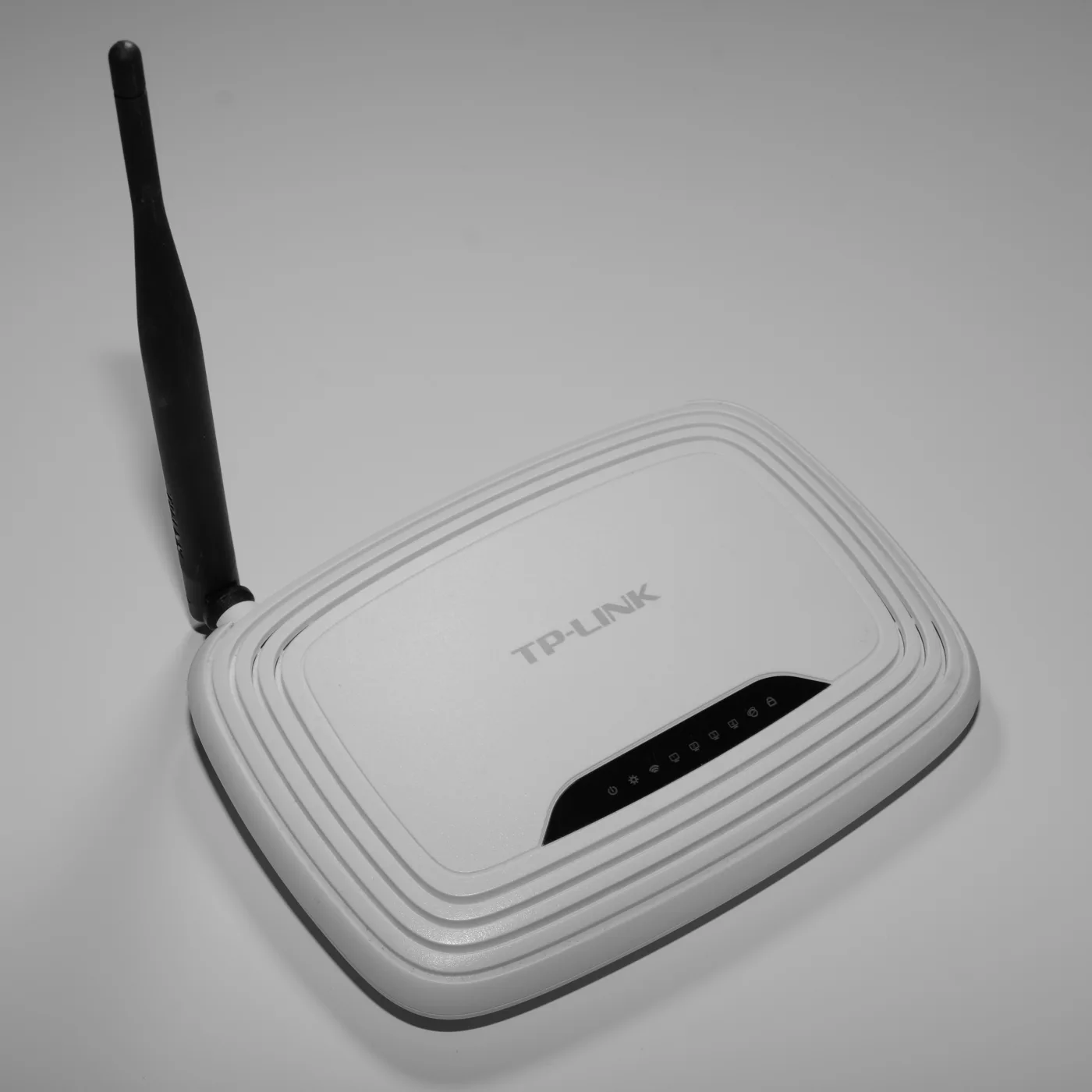
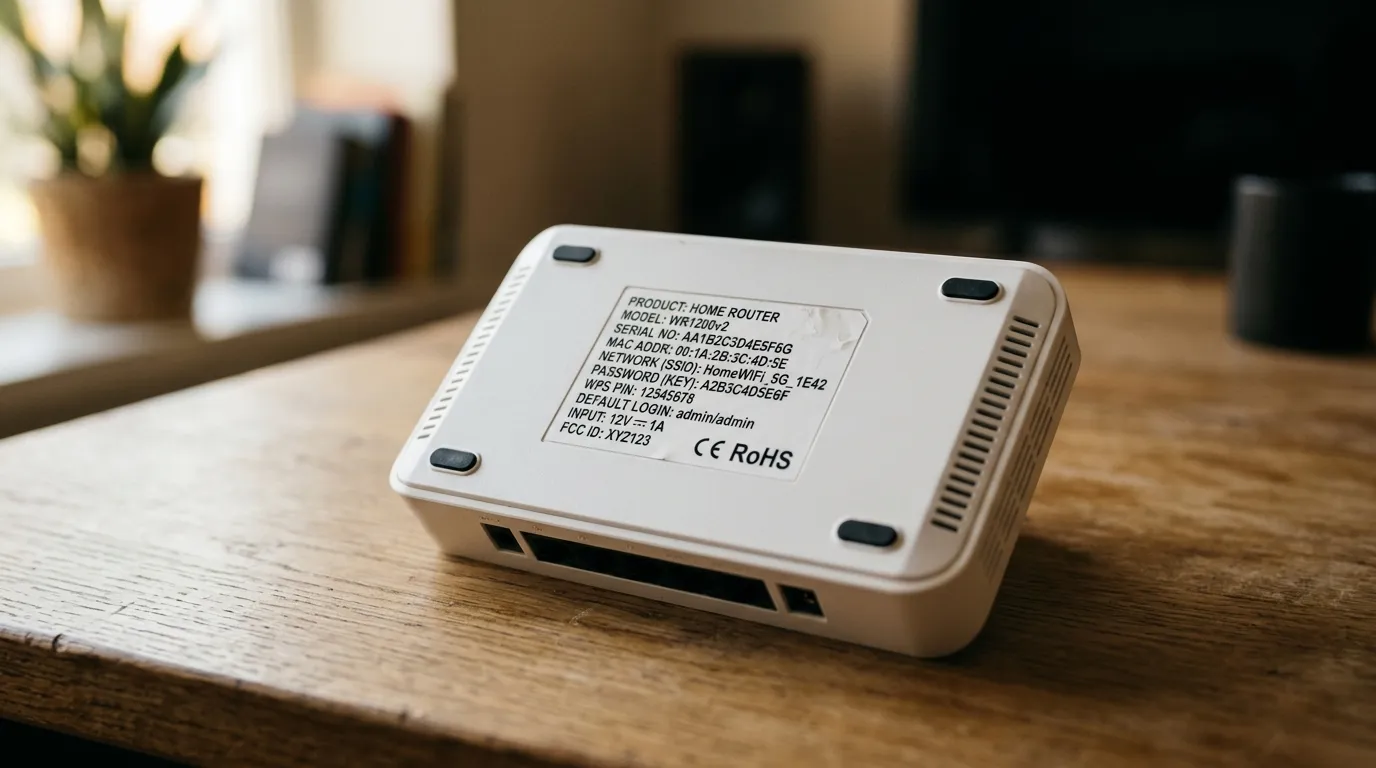
A flood of reset codes you did not ask for means someone is trying the forgotten password route on your account, so treat it as a warning rather than noise. Never read a code out to anyone who calls or messages you about it. Make sure the recovery phone number and backup email on your BT ID are ones you control, and use a long, unique password on the email account itself, because whoever gets into your email can reset almost everything else. If you also have not changed your router’s default password, our list of UK ISP router default passwords and the steps to change your Wi-Fi password are worth ten minutes. The report is on ISPreview.
About 600,000 analogue lines in ten big cities are still to switch
Openreach published a league table on 17 September showing how many old analogue (WLR) lines are still to move to digital in the UK’s ten largest cities and their surrounding areas. About 90 per cent have already moved, which leaves around 600,000. London has the most by far at 235,934 lines, or 12.92 per cent still to go. Liverpool is furthest ahead with 42,351 left, 6.35 per cent, followed by Manchester and Sheffield.
The old phone network is due to be switched off on 31 January 2027. Nationwide, Openreach estimates around 1.5 million lines are still on copper, including about 350,000 business premises, although ISPreview notes that is the same figure it gave at the end of July. Homes that have not switched by the deadline will not be cut off outright but moved to a temporary emergency voice service. Businesses get no such protection.
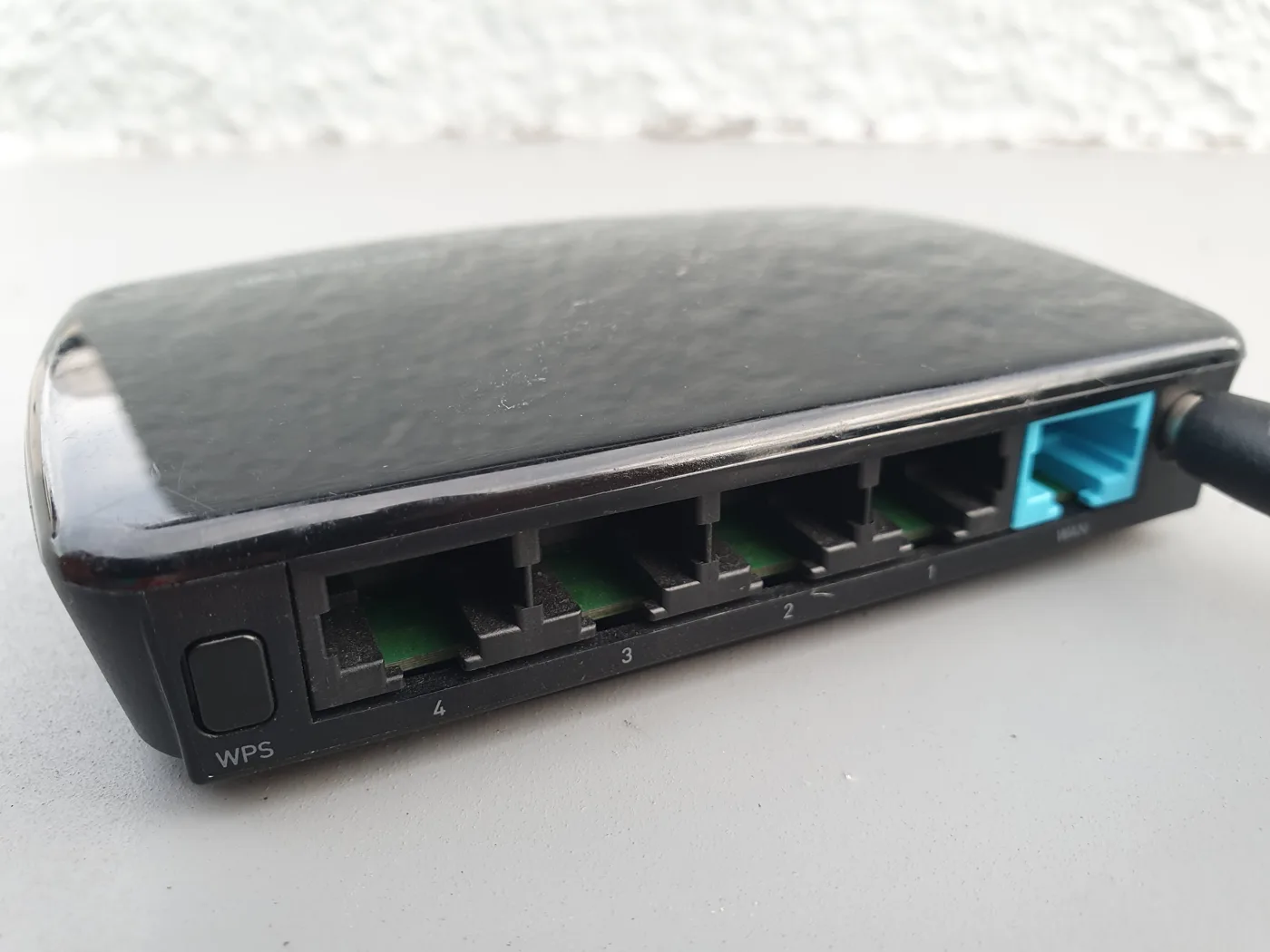
In most homes the change means plugging the phone into the back of the router, or into an adapter, instead of the wall socket. The bigger risk is anything else that quietly uses the line: telecare alarms, security alarms and door entry systems. If you are wondering whether you need a landline at all, see broadband without a phone line. The league table is on ISPreview.
Community Fibre connects London’s first 8.5Gbps home line, at £300 a month
Community Fibre has raised its top home broadband tier from 5Gbps to 8.5Gbps, symmetric, and connected its first customer on the new package this week, at a home in Beckton in Newham. It is advertised at an average of 8.2Gbps and costs £300 a month on a 24-month minimum term, with free setup. When ISPreview checked on 17 September it was only on sale by phone.
For comparison, ISPreview points out that EE’s 8Gbps plan starts at £74.99 a month and YouFibre sells similar speeds for £50 a month on offer (normally £99), though neither reaches London at these speeds yet.
Almost no household can use 8.5Gbps. Most laptops and phones top out well below it, most home Wi-Fi cannot carry it, and a standard gigabit router port caps you at 1Gbps before anything else does. Our guide to what broadband speed you need and the broadband speed calculator will tell you what your household actually uses, which for most is a small fraction of a gigabit. The details are on ISPreview.