Home Wi-Fi: 36% of UK Adults Struggle, Survey Finds

Three UK broadband stories from this week that actually change something at home. A large survey put a number on how common Wi-Fi dead spots are, another found most landline users still do not know what happens in January 2027, and a study named the big providers making their cheapest broadband hardest to find.
More than a third of UK adults say their home Wi-Fi struggles
A OnePoll survey of 2,000 UK adults with home Wi-Fi, commissioned by Uswitch and published on 26 August, found 36 per cent struggle with their connection. Of those, 15 per cent said it affects multiple rooms and 24 per cent move to a different room to stream because it does not work throughout the house.
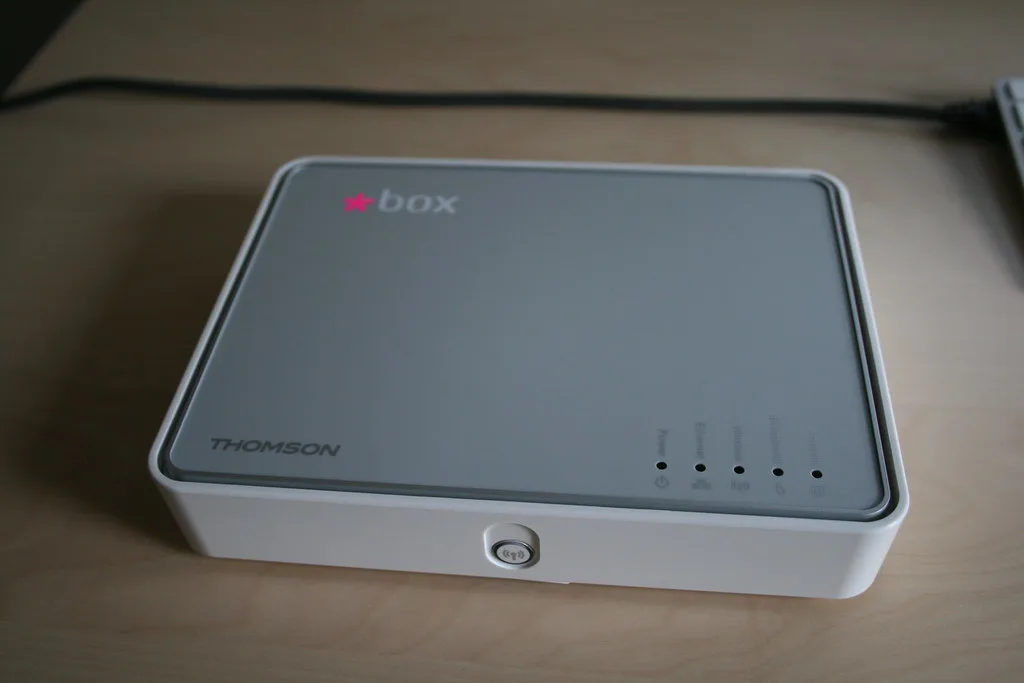
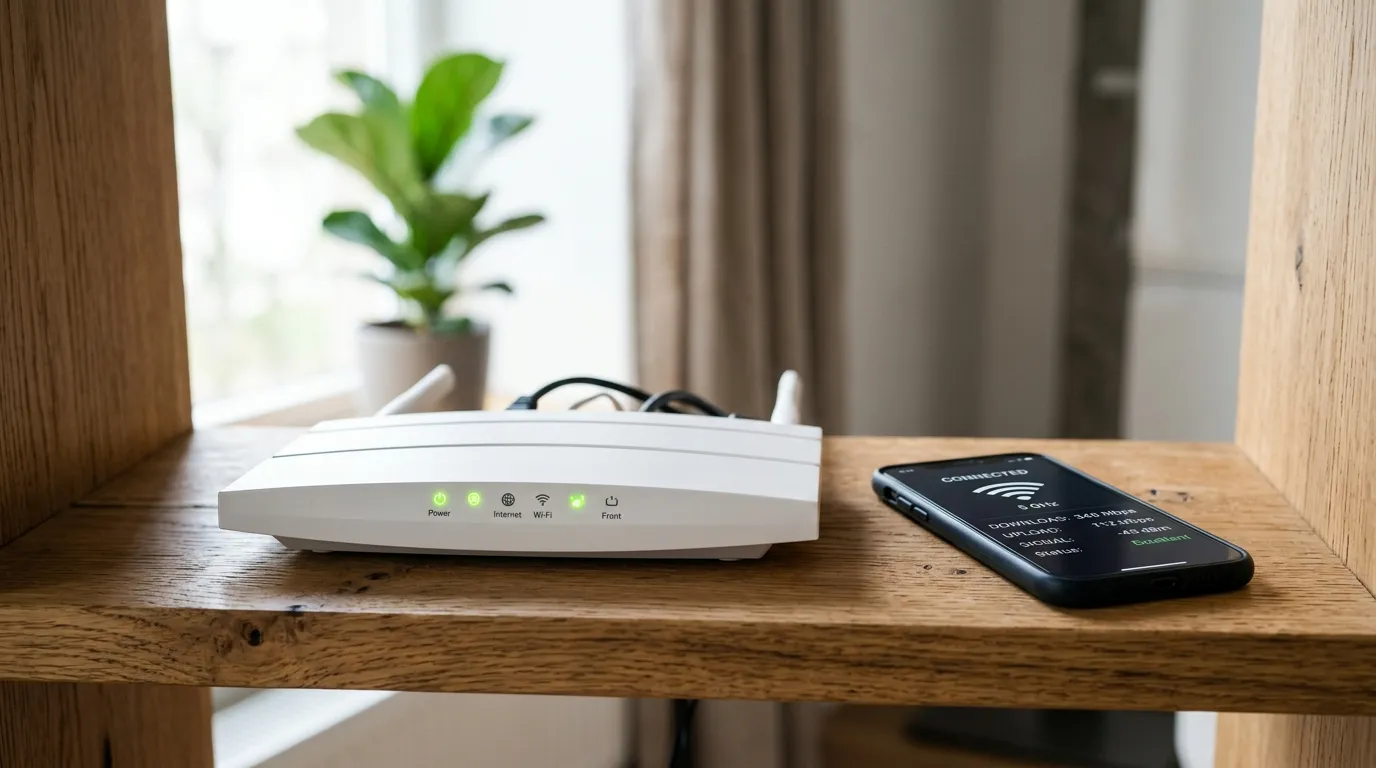
The room-by-room breakdown is the useful bit. Main bedrooms were the worst dead spot at 24 per cent, guest bedrooms at 23 per cent and kitchens at 22 per cent, while 51 per cent said the living room has the best signal. That pattern is almost always the router: it sits in the living room next to the TV and the master socket, and every wall between there and the back bedroom costs you signal. Twenty-one per cent said phone calls drop out at home, and 61 per cent had already spent money trying to fix it, averaging £55.70.
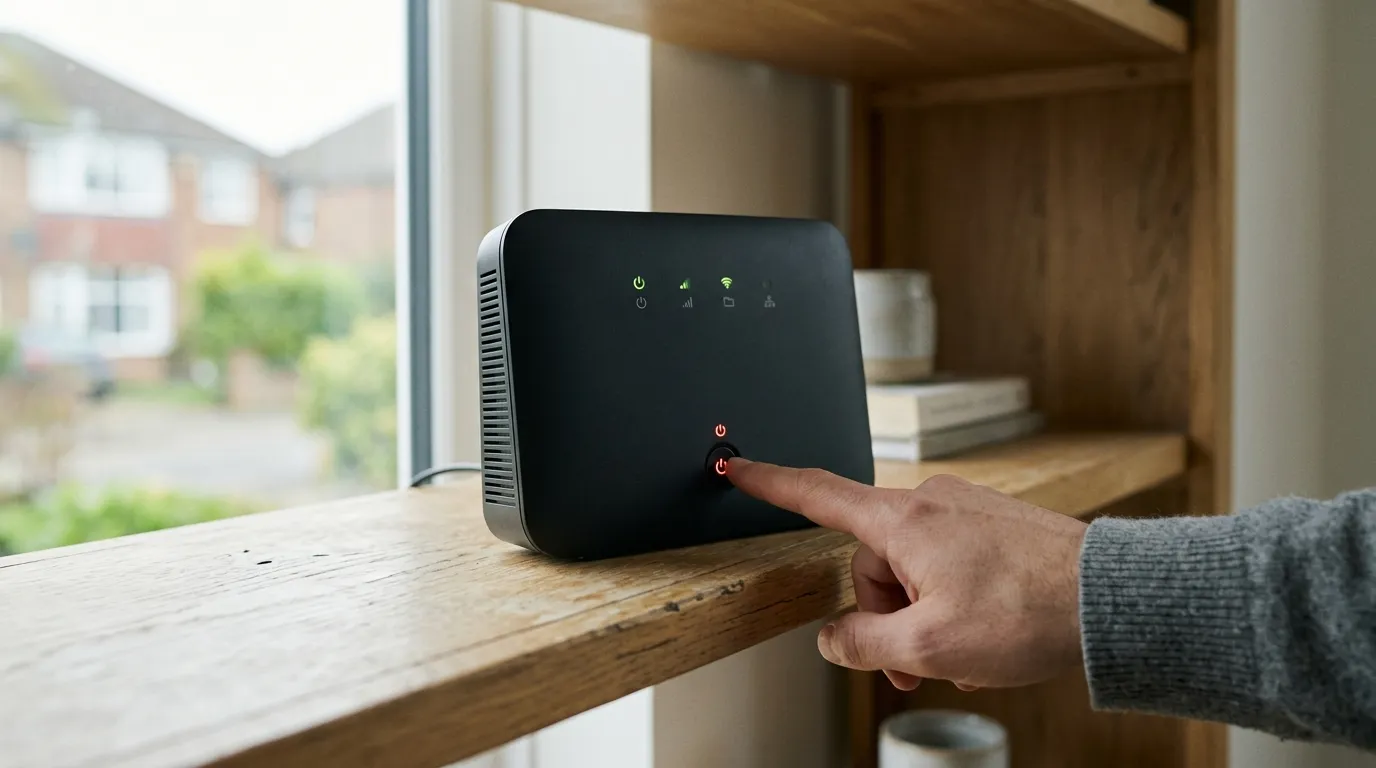
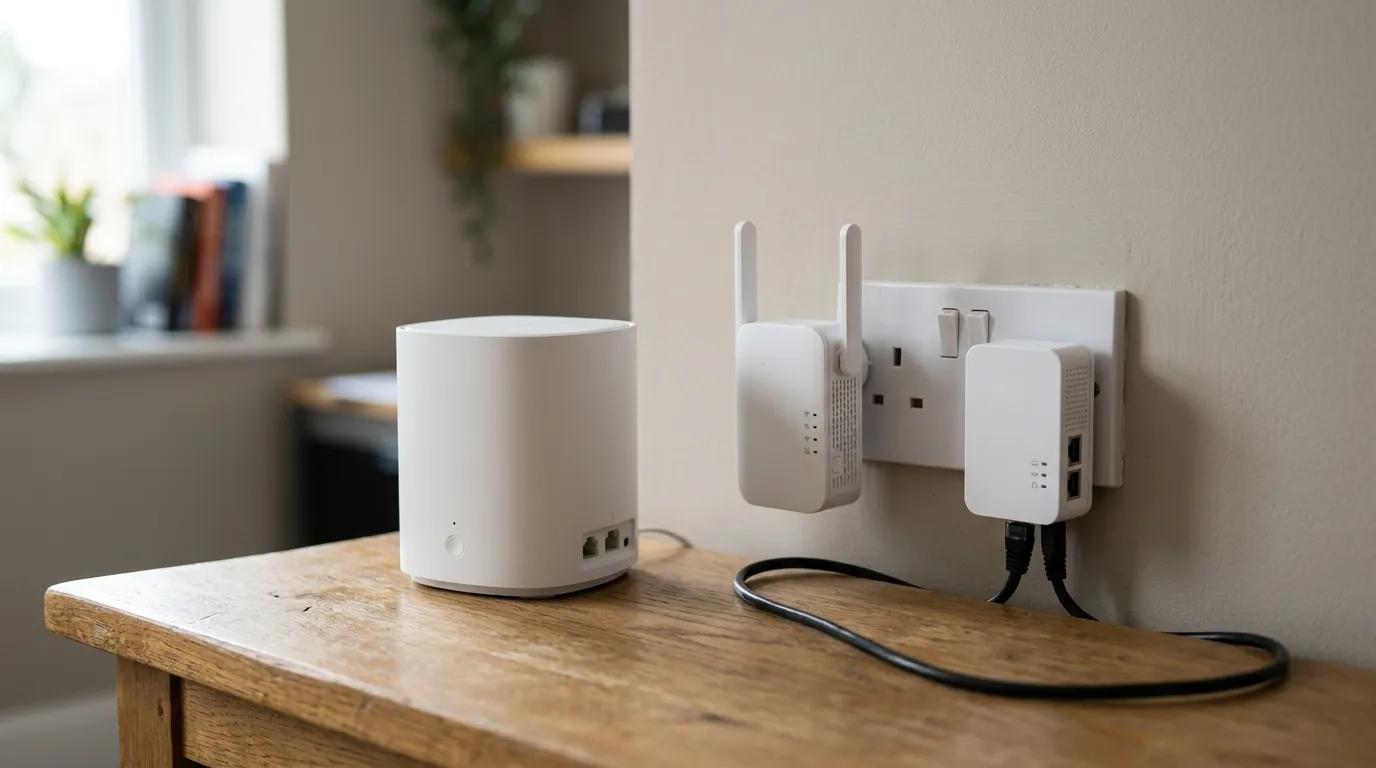
Spending £55 on the wrong thing is the common outcome. A single plug-in extender halfway up the stairs helps a bit; moving the router off the floor and out of the TV cabinet is free and often helps more. If neither works, the honest answer is usually mesh rather than another extender, and we compare the three approaches in mesh versus extender versus powerline. If your problem is one specific room, start with how to fix Wi-Fi dead spots. The survey write-up is at ISPreview.
Nearly half of landline users still do not know what the 2027 switch-off means
A second OnePoll survey of 2,000 UK adults with a landline, commissioned by Community Fibre and also published on 26 August, found 45 per cent are unclear what the analogue phone switch-off means for them. The old Public Switched Telephone Network is due to be retired on 31 January 2027.
The gap that matters is not phones, it is everything else plugged into the phone line. Before taking the survey, 48 per cent did not know the switch-off could affect devices other than telephones, such as telecare alarms, personal emergency pendants and burglar alarms. Almost a quarter said they or someone they know uses a personal or telecare alarm that could be affected, and only 12 per cent had checked whether their equipment would still work. Fifty-three per cent of those yet to switch had taken no action at all.
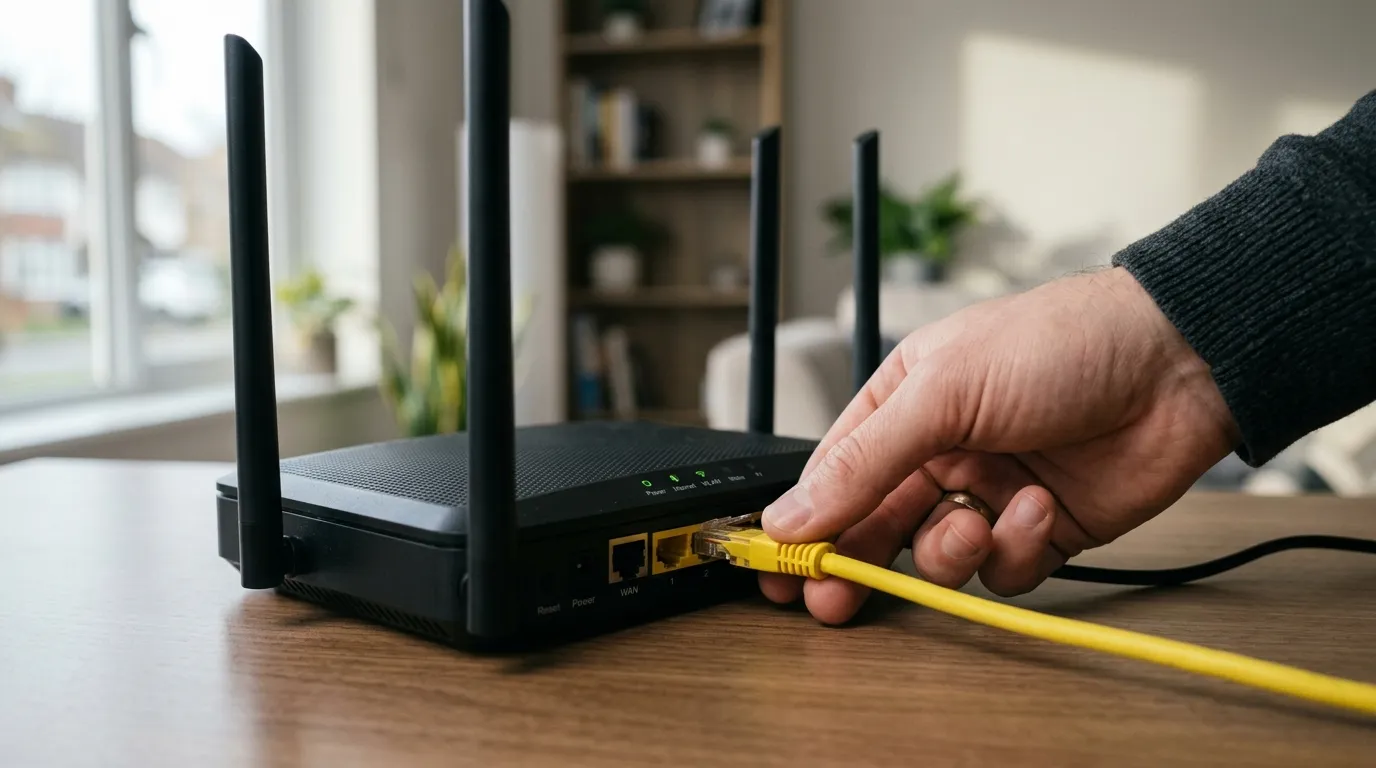
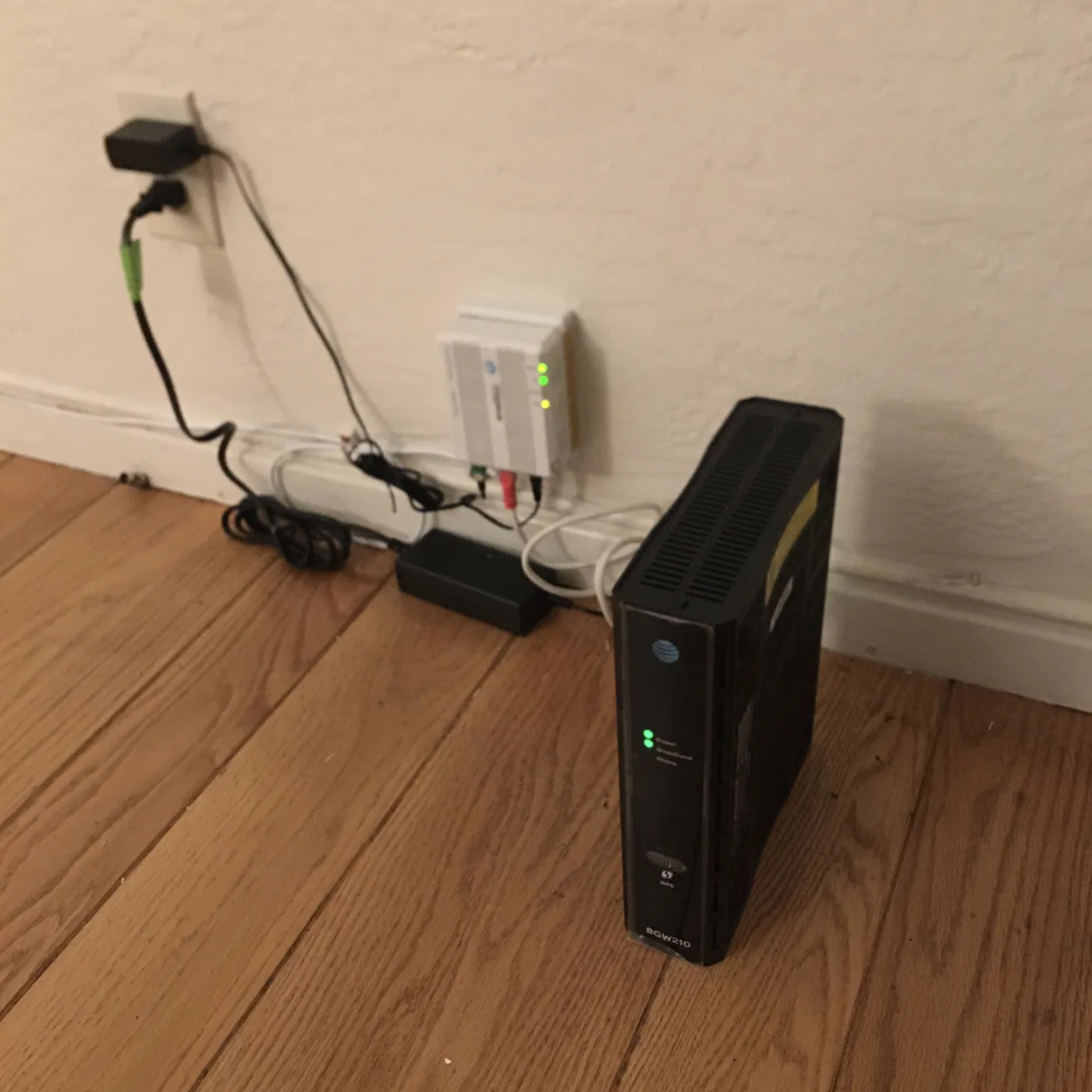
For most households the change is genuinely small: your provider moves you to a digital service and the handset plugs into the back of the router, or into an adapter, instead of the wall socket. Your number comes with you, which answers the concern the 40 per cent with a long-held number raised. The people who need to act early are anyone with a pendant alarm or a monitored alarm system, because those need the provider to arrange a compatible solution rather than a swapped cable. If you are weighing whether to keep a landline at all, broadband without a phone line covers the options. The survey is at ISPreview.
Big providers rated worst for making social tariffs findable
A Thinkbroadband study published on 24 August ranked broadband providers on how easy their social tariffs are to find and how clearly they set out price, contract terms and eligibility. BT, Sky, Virgin Media and Vodafone all scored near the bottom, though not last. The study singled out BT’s page as one of the hardest to locate without a search engine, and noted that even once you find it the price is not there, because BT offers several packages and the details sit elsewhere. Smaller networks including B4RN, B4SH and Community Fibre rated highest.
The numbers behind this are stark. Ofcom found only 34 per cent of eligible broadband users were aware social tariffs existed as of April 2026, and just 532,000 of the households on Universal Credit had taken one, about 8.6 per cent of those eligible. The gap costs real money: a standard package runs an unemployed Universal Credit claimant around £27 a month, roughly 8.3 per cent of disposable income, against about £15 for a social tariff.
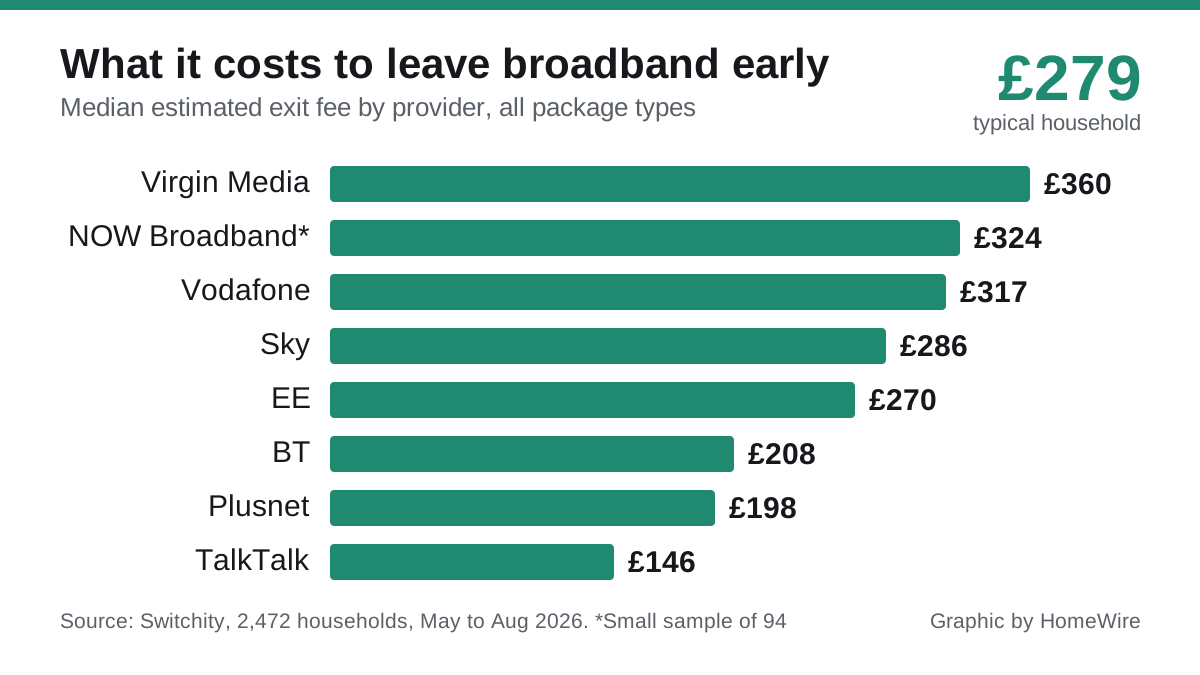
If you or a family member claims Universal Credit, Pension Credit or certain other benefits, it is worth asking your provider directly rather than hunting the website, and a social tariff is normally exempt from mid-contract price rises and early exit fees. Our guide to what broadband speed you actually need is a good sanity check before paying for more than you use. The study is covered at ISPreview.