Copper Switch-Off: Ofcom Drops the Bar to 90% Fibre
Four UK broadband stories from the past week that change something for a household rather than just for the industry. One moves the date the copper switch-off starts costing you money, one is a warning for anyone on satellite, one widens who can actually buy full fibre, and one is about the phone in your child’s pocket.
Ofcom will let Openreach raise copper prices at 90% fibre coverage, not 100%
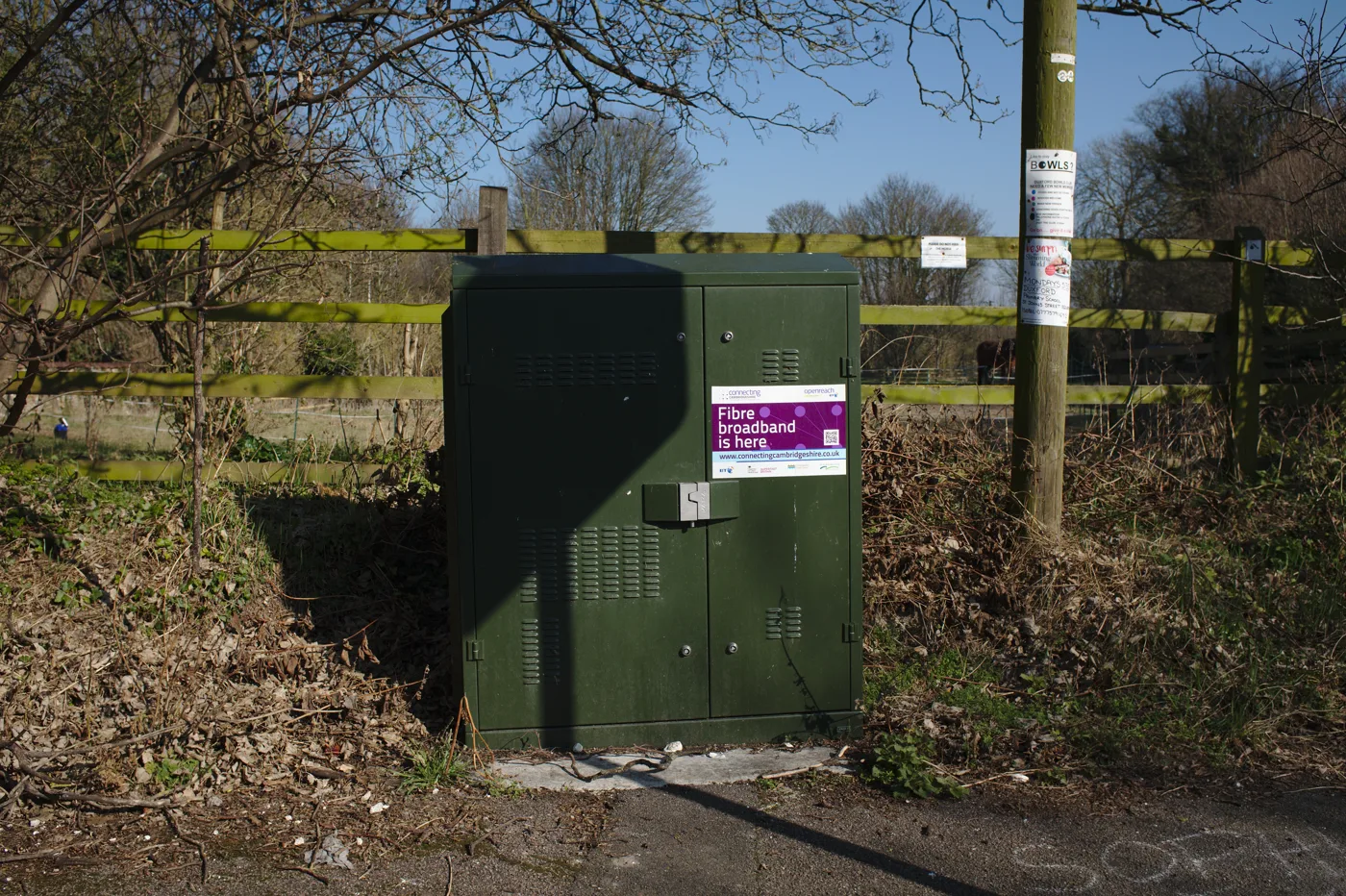
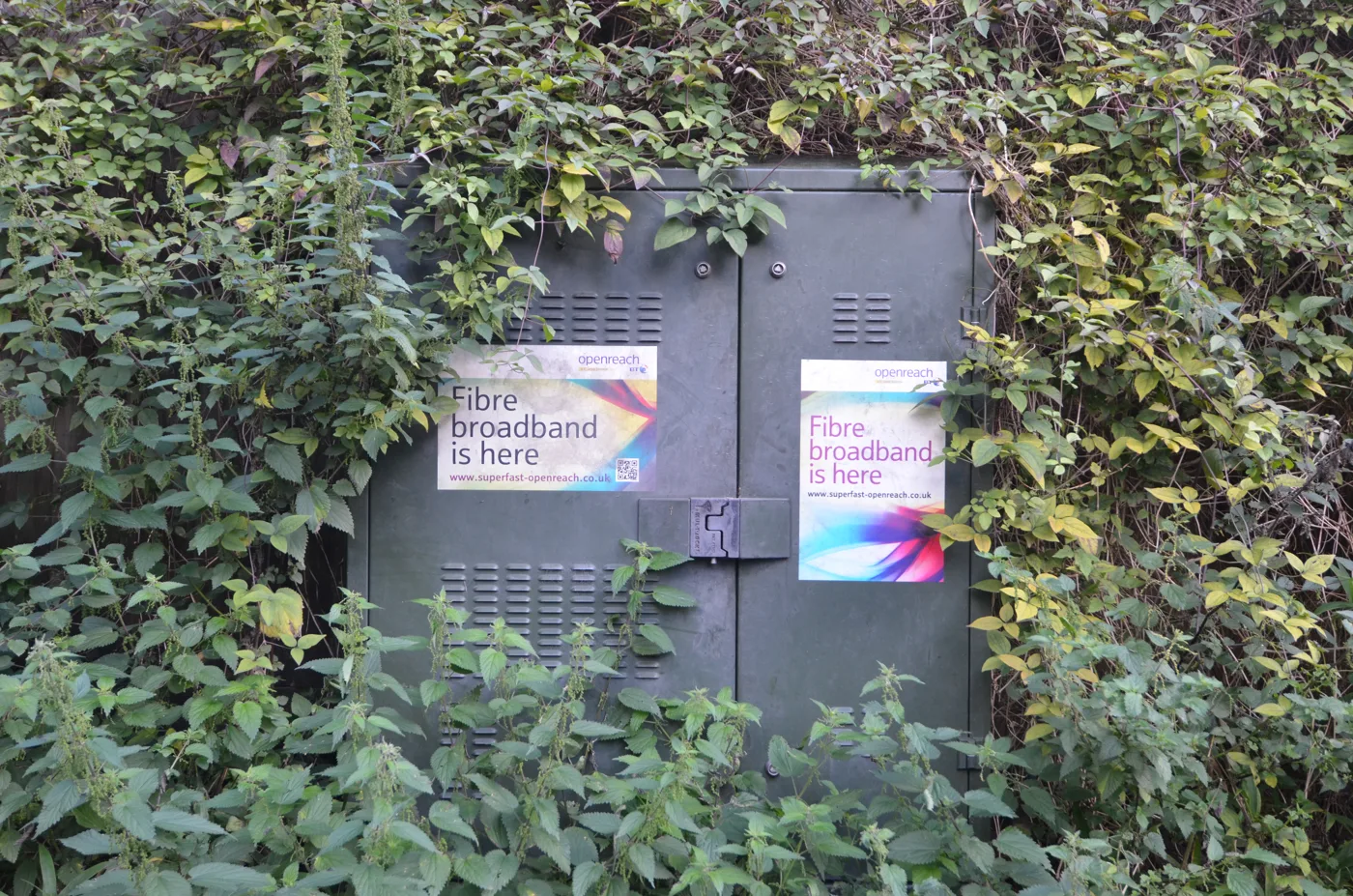
On 9 September Ofcom decided to change the second of the two thresholds that govern copper retirement. Openreach comes out from under price controls on copper services once an exchange area is fully covered by full fibre, and until now “fully” meant 100 per cent of premises. From 1 April 2029 it will mean 90 per cent.
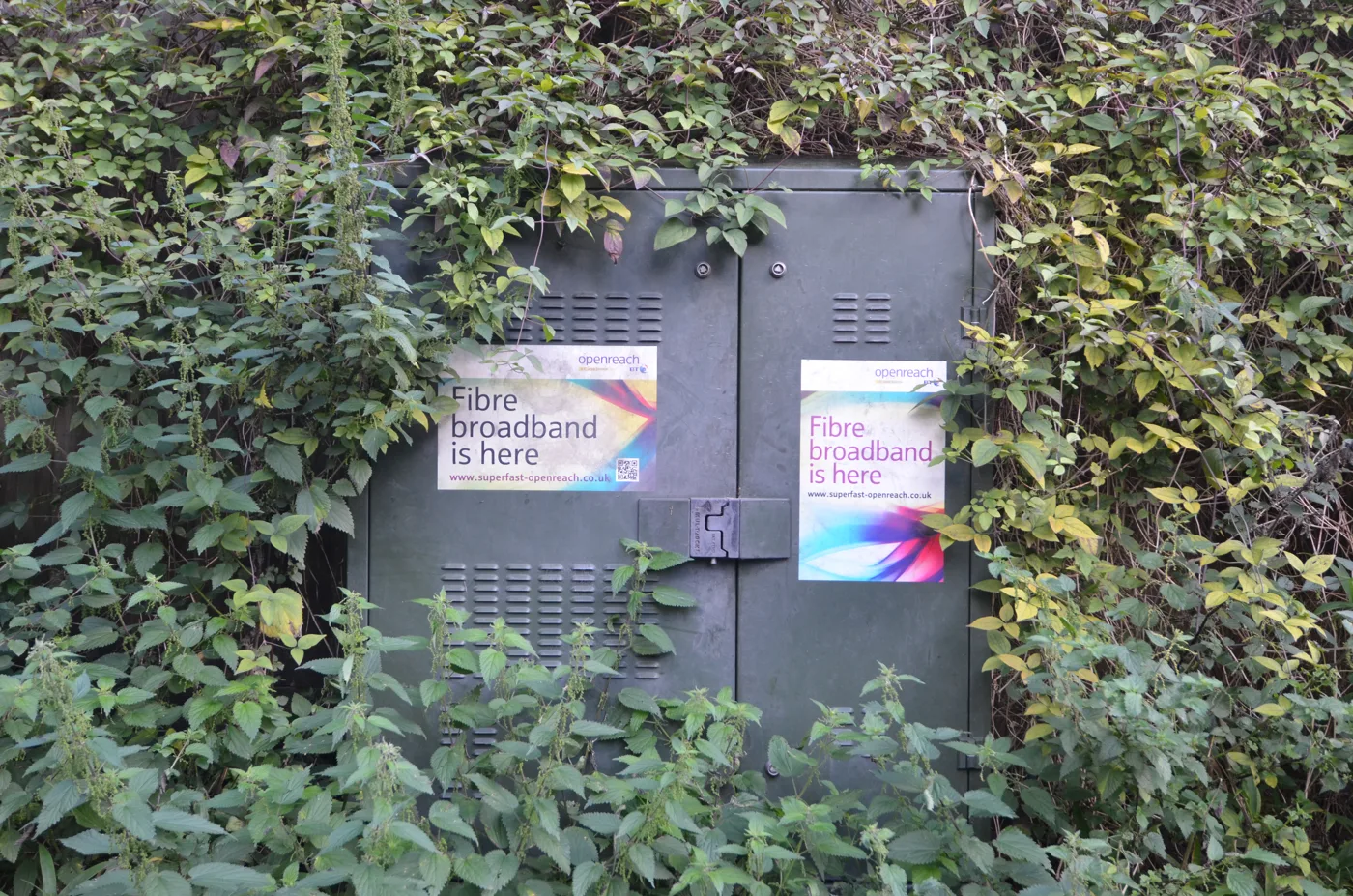
The reasoning is practical. In plenty of exchange areas the last few per cent are effectively unbuildable: flats where the freeholder will not grant access, farms too far from the road, wayleaves that never get signed, premises already served by a rival network. Holding the whole area at controlled copper prices because of them was blocking the retirement programme. The first threshold does not change: Openreach can stop selling new copper lines at 75 per cent full fibre coverage plus twelve months’ notice.
Altnets fought this, and their objection is worth understanding because it is about your bill. They wanted a defined exclusions approach, listing the specific circumstances in which a premise can be discounted, rather than a flat 10 per cent. A flat percentage lets Openreach reach the threshold in areas where the gap is competition rather than difficulty. For context, Openreach is spending £15bn to reach 25 million premises by the end of December 2026 and is currently at 23.5 million.
What it means at home: if you are still on a copper-based line, the price protection on it has an expiry date, and 2029 is close enough to plan around rather than ignore. It does not mean your line stops working. If you are trying to work out what you actually need before you switch, what broadband speed do I need is the honest version, and what is broadband covers the difference between the technologies. Ofcom’s decision is covered at ISPreview.
Starlink is capping “unlimited” residential users at 10Mbps
Reported on 6 September: some Starlink residential customers on unlimited data plans have had their speeds cut to around 10Mbps after receiving a Terms of Service Violation notice. The users affected were running very high monthly totals, in the region of 5TB and in some cases 8 to 9TB, or several consecutive days above 500GB. Several said their usage pattern had not changed in years.
The notice tells them their residential plan is for personal, family or household use, that business or enterprise use is prohibited, that service is restricted for the rest of the billing cycle, and that restoring full speed means moving to a Priority plan. Priority plans run to hundreds of pounds a month at comparable volumes. Starlink’s fair usage policy does reserve the right to reduce speeds to protect the network, so this is arguably within the terms, but the terms are vague and the enforcement is not being announced in advance.
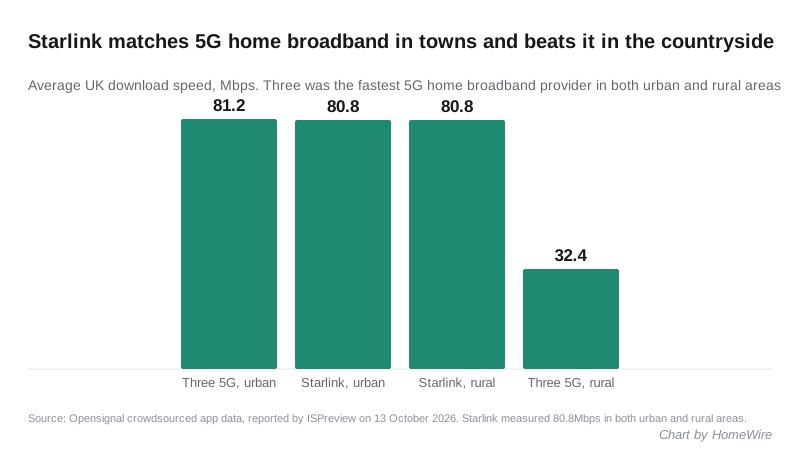
Some perspective on the numbers, because 5TB sounds like a lot and is not as far away as people assume. Ofcom put average monthly usage per fixed broadband connection at 583GB across all technologies, rising to 738GB on full fibre. A family running 4K streams, 150GB game downloads and cloud backups will not hit 5TB, but they will get closer to it every year. UK residential Starlink runs from £40 a month for the 100Mbps unlimited plan, and it is mostly a rural product where there is no full fibre alternative to move to. If your household total is what worries you, why your broadband slows down in the evening covers congestion, and 5G home broadband covers the other option where fibre has not arrived. The reports are at ISPreview.
giffgaff’s full fibre now reaches 4.2 million homes
On 10 September giffgaff said its full fibre footprint has reached 4.2 million UK homes. The network underneath it is nexfibre’s XGS-PON build, roughly 2.6 million premises, plus the Virgin Media addresses being upgraded from coax to fibre under the Fibre Up programme. giffgaff, nexfibre, Virgin Media and O2 share parentage, so this is one family of networks rather than a new build.
Read the growth rate rather than the headline. It was 4 million in mid-June, so this is a modest three-month increase, and giffgaff was explicit that it cannot share a rollout timeline. A spokesperson said the company had been “refining the service we offer and ensuring support is spot-on” and remains “focused on being able to serve more homes”.
The reason this matters for a household is competition on your specific address rather than nationally. Full fibre pricing only improves where more than one provider can actually sell to you, and a fourth name on your postcode check is worth more than a rollout announcement. Run the check before you renew rather than after. BT broadband reviews and Vodafone broadband review cover two of the alternatives on price and reliability. The figure is at ISPreview.
The government is looking at mandatory age verification on smartphones
Also on 9 September, the Culture Secretary Lisa Nandy said the government plans to legislate to force Apple and Google to build mandatory age verification into smartphones. The stated aim is to stop children taking and sharing nude images of themselves, following the move to ban under-16s from social media, and talks with both companies have been running for months without an agreement.
The detail that matters to everyone else is that device-level age verification does not stay contained to children’s phones. If the check sits in the operating system, adults get checked too, which raises the question of what evidence is collected, by whom, and how long it is kept. Nandy reportedly believes legislation is almost certain even if a voluntary deal emerges.
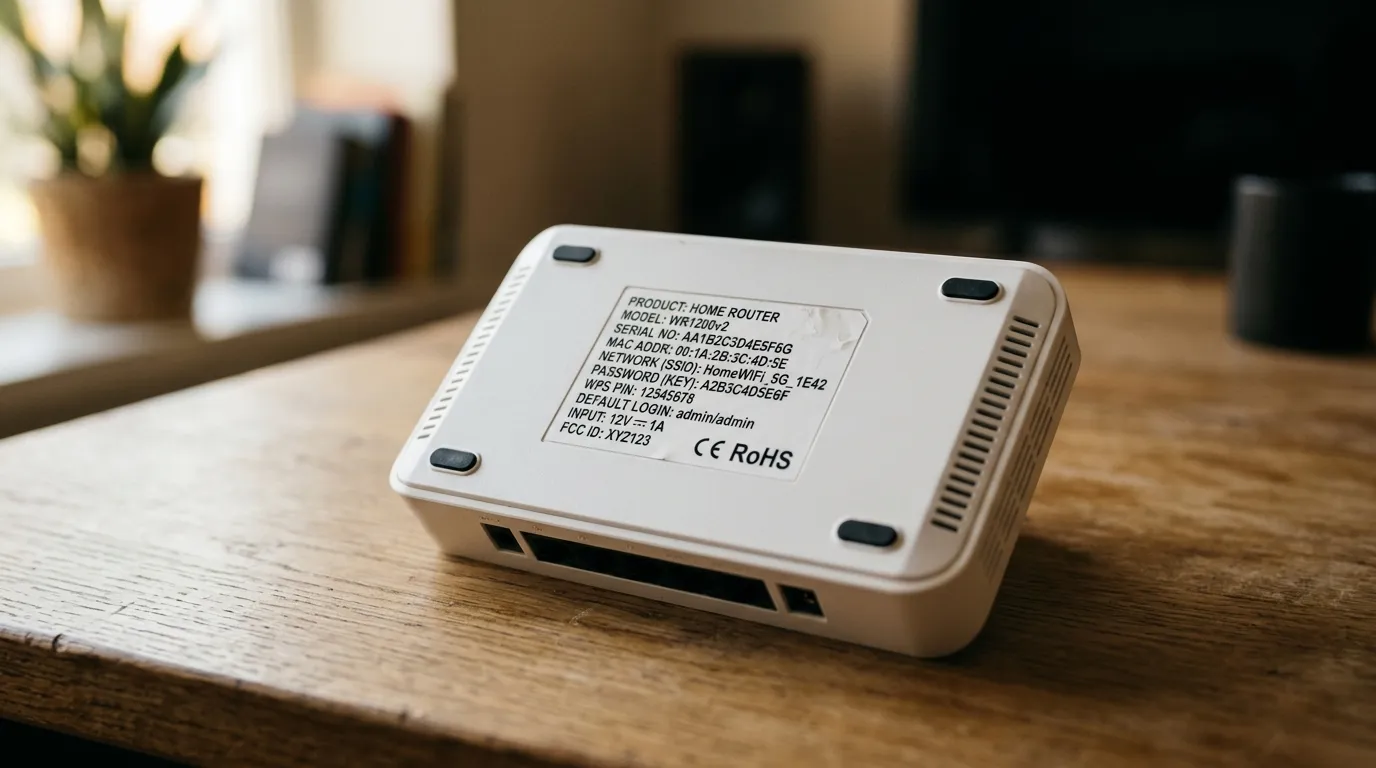
Nothing is in force yet and there is no Bill to read, so the practical step is the one that was already available: the parental controls in your router and on the devices themselves. If you have never set them up, how to log into your router is where the network-level settings live, and how to change your Wi-Fi password covers getting back into a router nobody has touched since installation. The statement is covered at ISPreview.