Starlink vs 5G Home Broadband: Rural 80.8Mbps vs 32.4Mbps
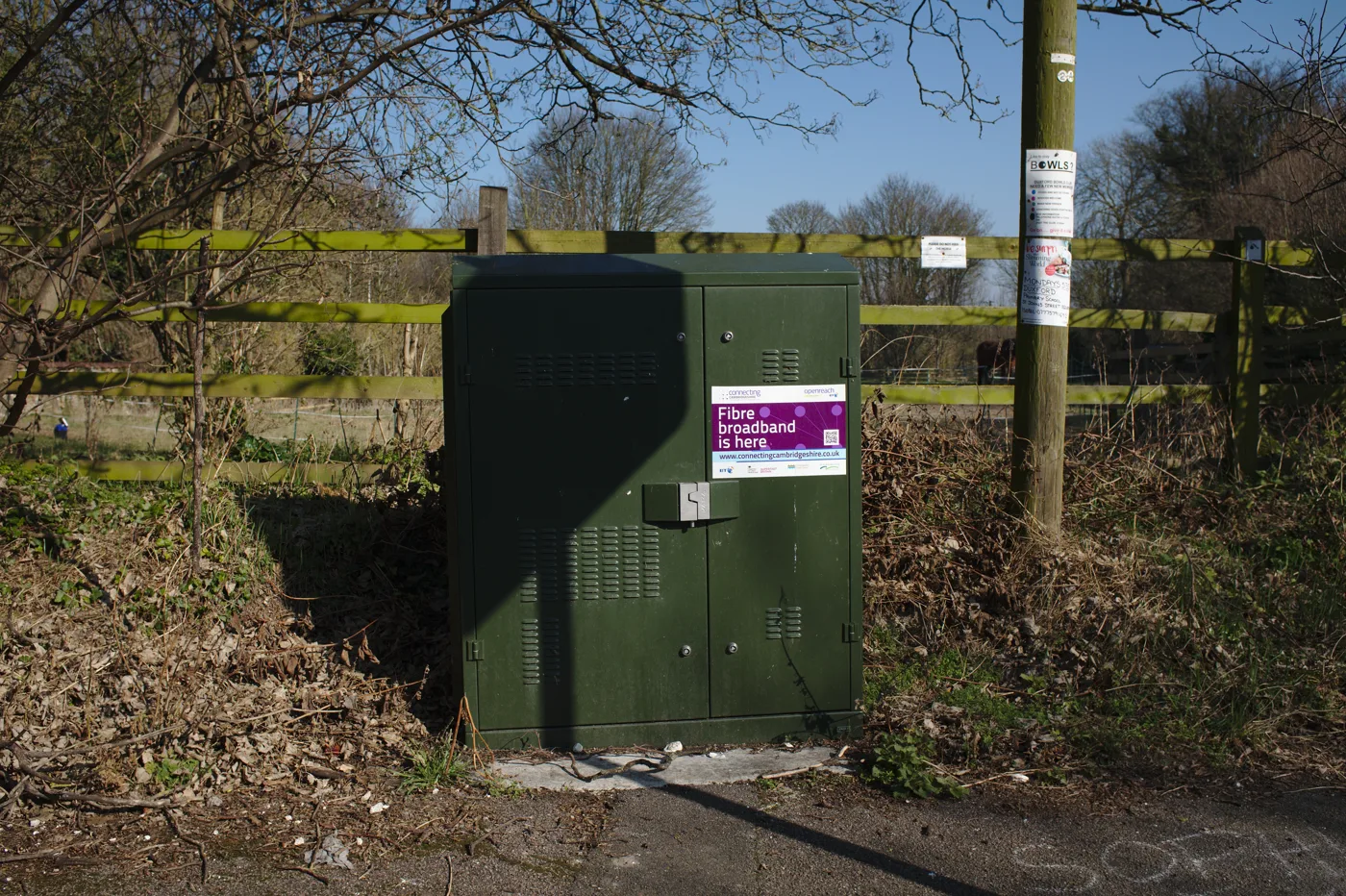
If you live where full fibre has not reached, the choice is usually 5G home broadband or a satellite dish, and this week brought the clearest comparison yet, along with a price cut that makes the 5G option cheaper still. Openreach is also preparing to let some customers fit their own fibre box, and two faster plans have appeared for homes that can use them.
Starlink beats 5G home broadband in the countryside, not in towns
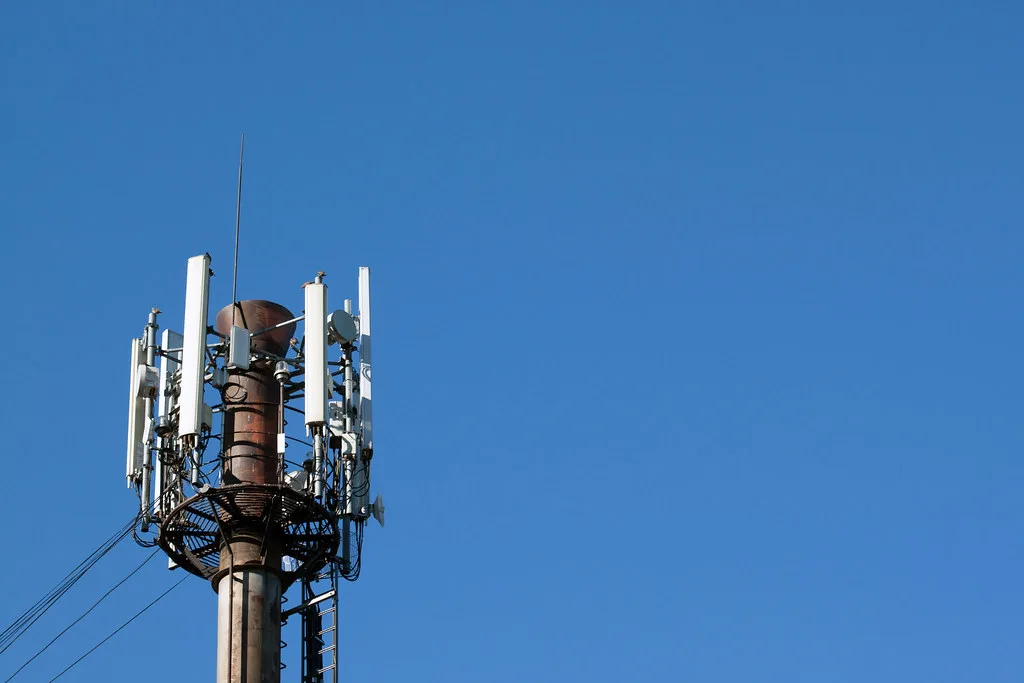
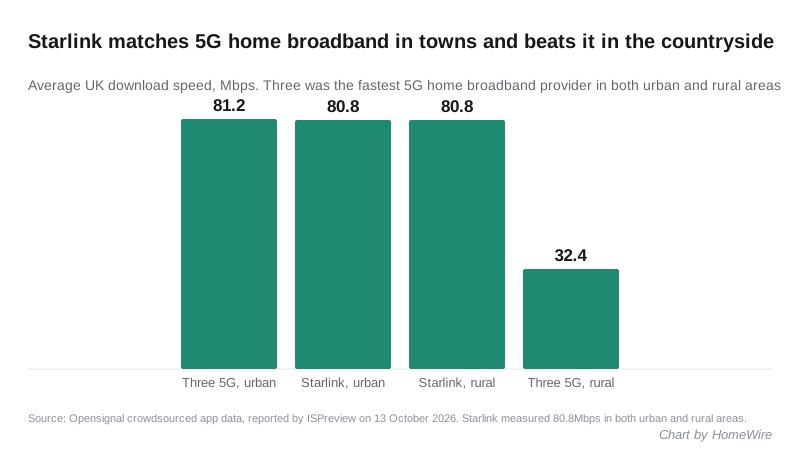
On 13 October Opensignal published a study comparing 4G and 5G home broadband (fixed wireless access) with Starlink’s satellite service across 14 European countries, using speed tests from its app. In the UK, Three was the fastest 5G home broadband provider, averaging 81.2Mbps in urban areas but only 32.4Mbps in rural ones. Starlink averaged 80.8Mbps in both. On Opensignal’s Consistent Quality score, which measures how often a connection is good enough for everyday use, Three led in towns with 68.8% and EE led rural 5G with 62.1%; Starlink scored 68.1% in both.
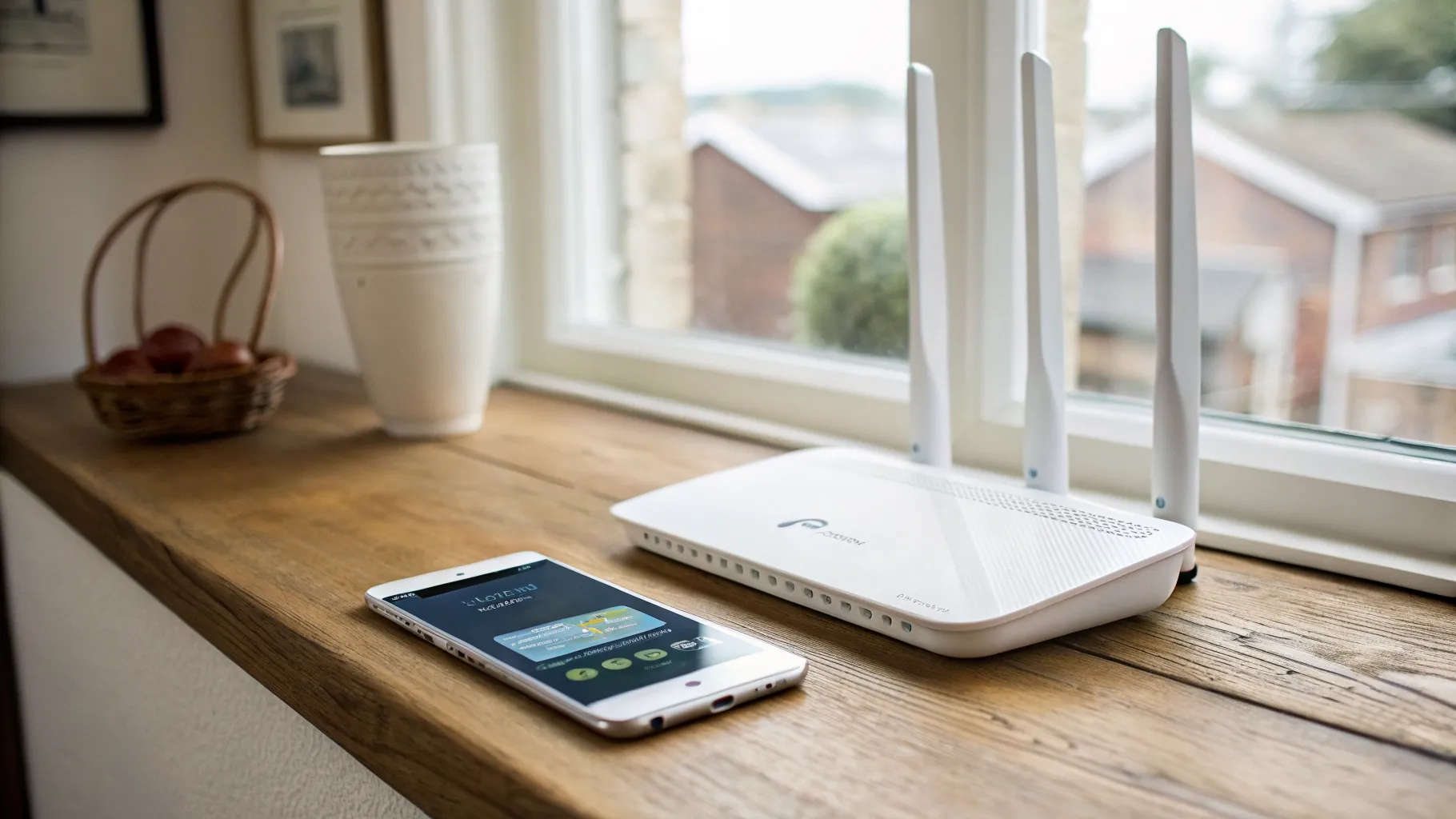
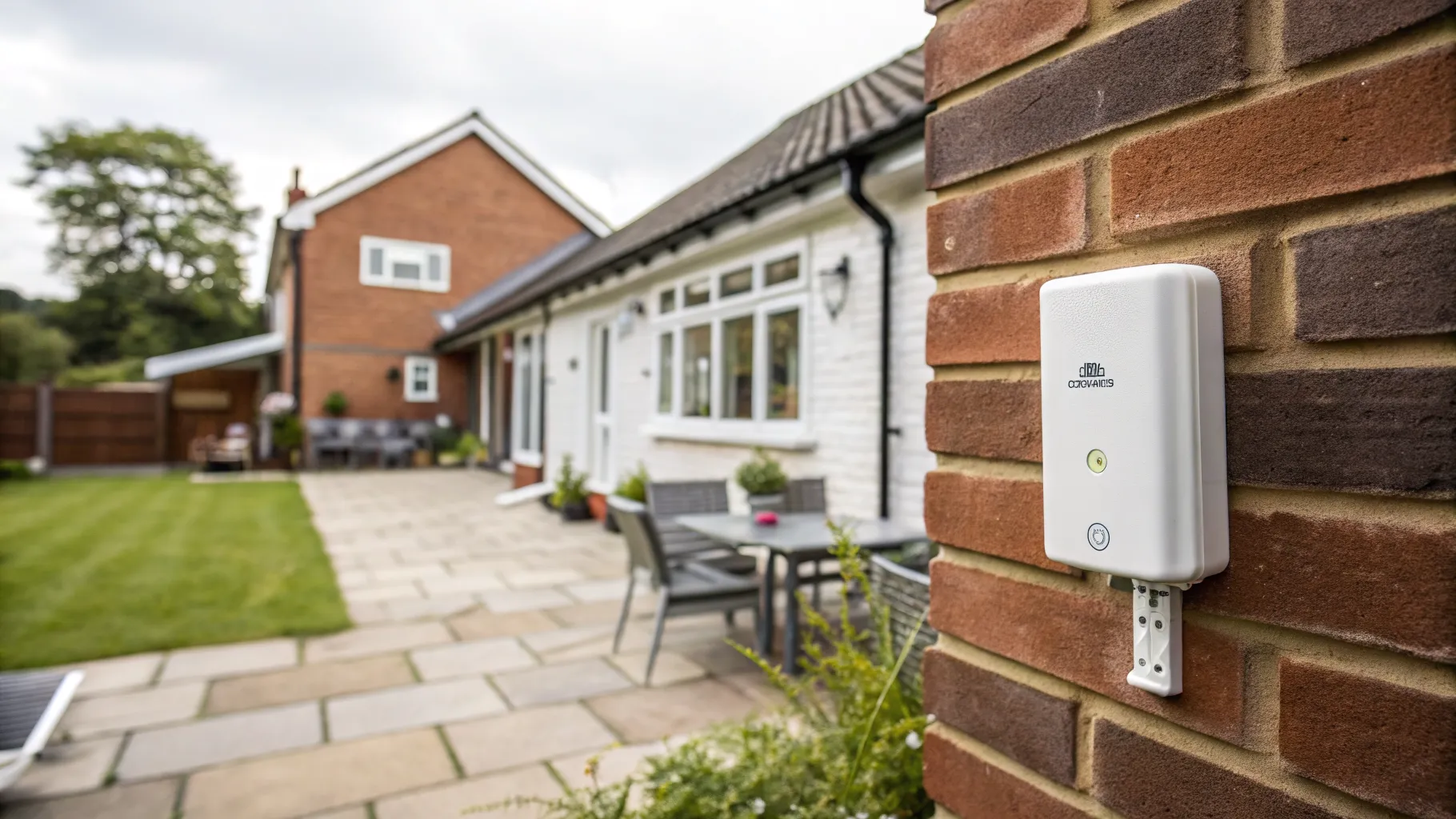
So in a town, 5G home broadband is about as fast as Starlink and much cheaper: ISPreview notes Starlink starts at £40 a month, against £18 for 5G plans from Three and Vodafone. In the countryside, where there are fewer masts and less spectrum, Starlink is about two and a half times as fast as the best 5G service. Before you pay for a dish, check whether an outdoor 5G receiver or a better aerial gets you a usable signal; our guides to 5G home broadband and Wi-Fi antenna upgrades explain how. Reported by ISPreview.
Three cuts its unlimited 5G home broadband to £15 a month
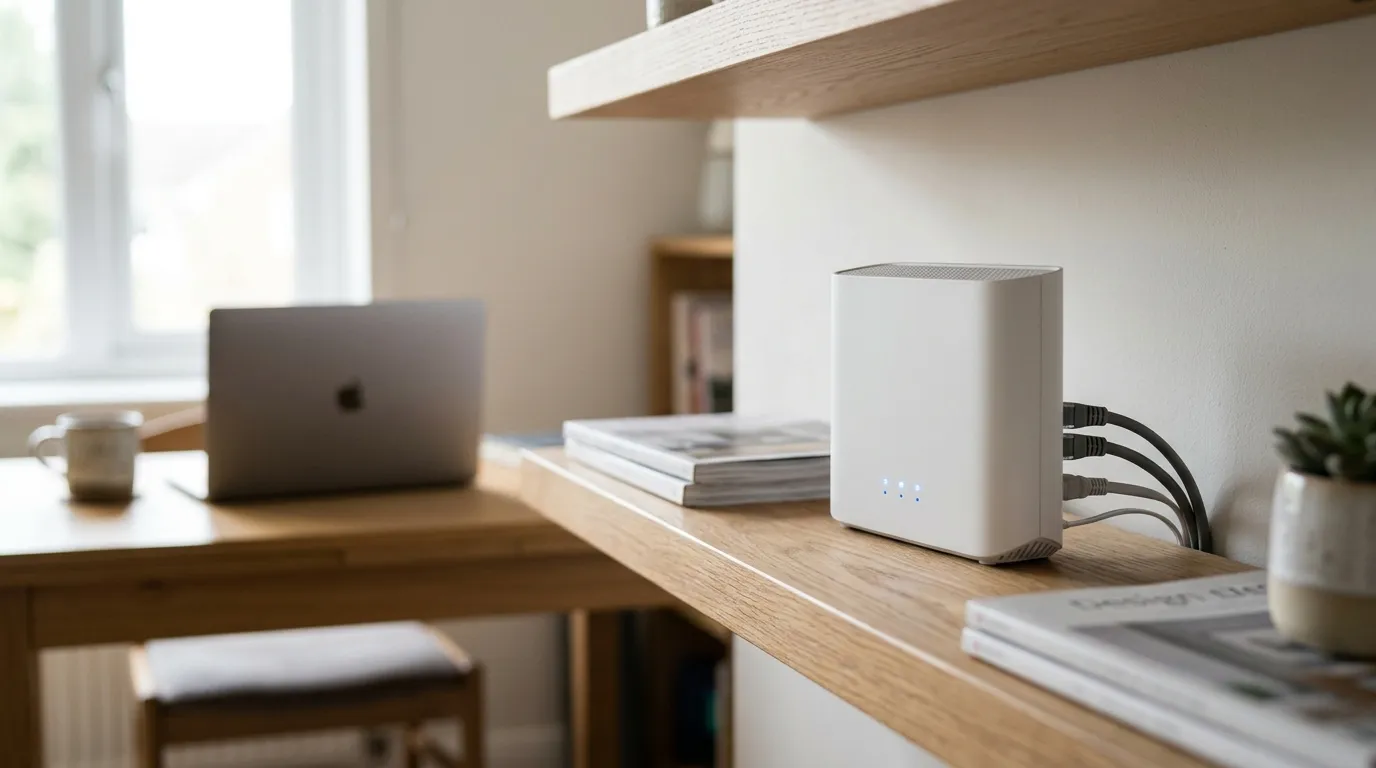
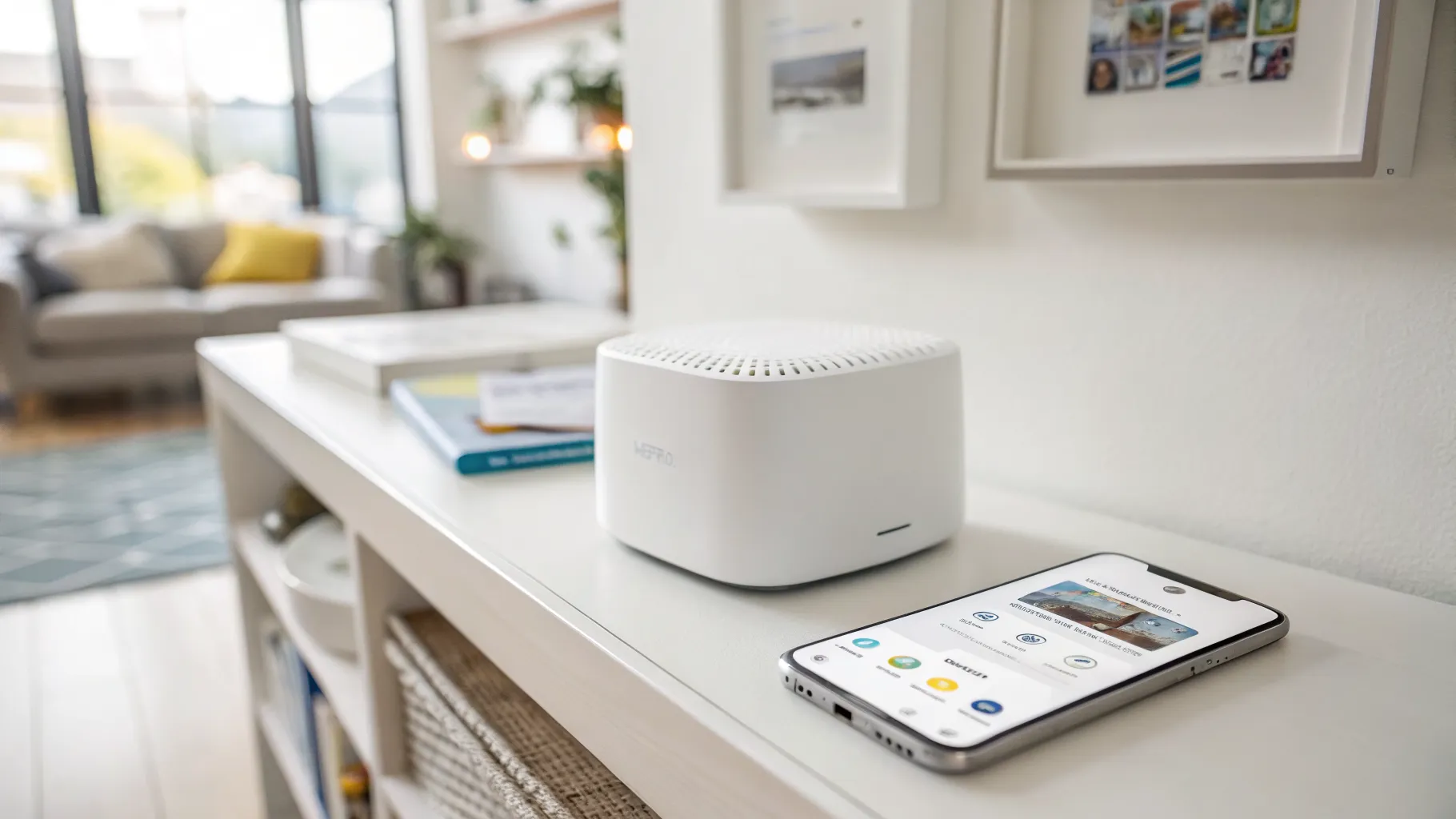
A day later, on 14 October, Three reduced its unlimited 5G Home Broadband plan to £15 a month on a 24-month contract. It comes with either an indoor router or Three’s 5G Outdoor Hub plus one Amazon eero 6+ mesh unit. Three quotes average downloads of 150Mbps, though that varies a lot by location, and offers up to £300 in switching credit and a 30-day money-back guarantee.
Read the small print on price. Three raises the monthly charge to £18.50 from 1 April 2027 and £22 from 1 April 2028, so £15 is the first-year price, not the two-year price. The 30-day guarantee is the useful part: put the router where you would actually use it and run a few speed tests in the evening before you cancel your old service. Our Three broadband review and guide to Three network issues cover what to check. Reported by ISPreview.
Openreach wants to see if customers can fit their own fibre box
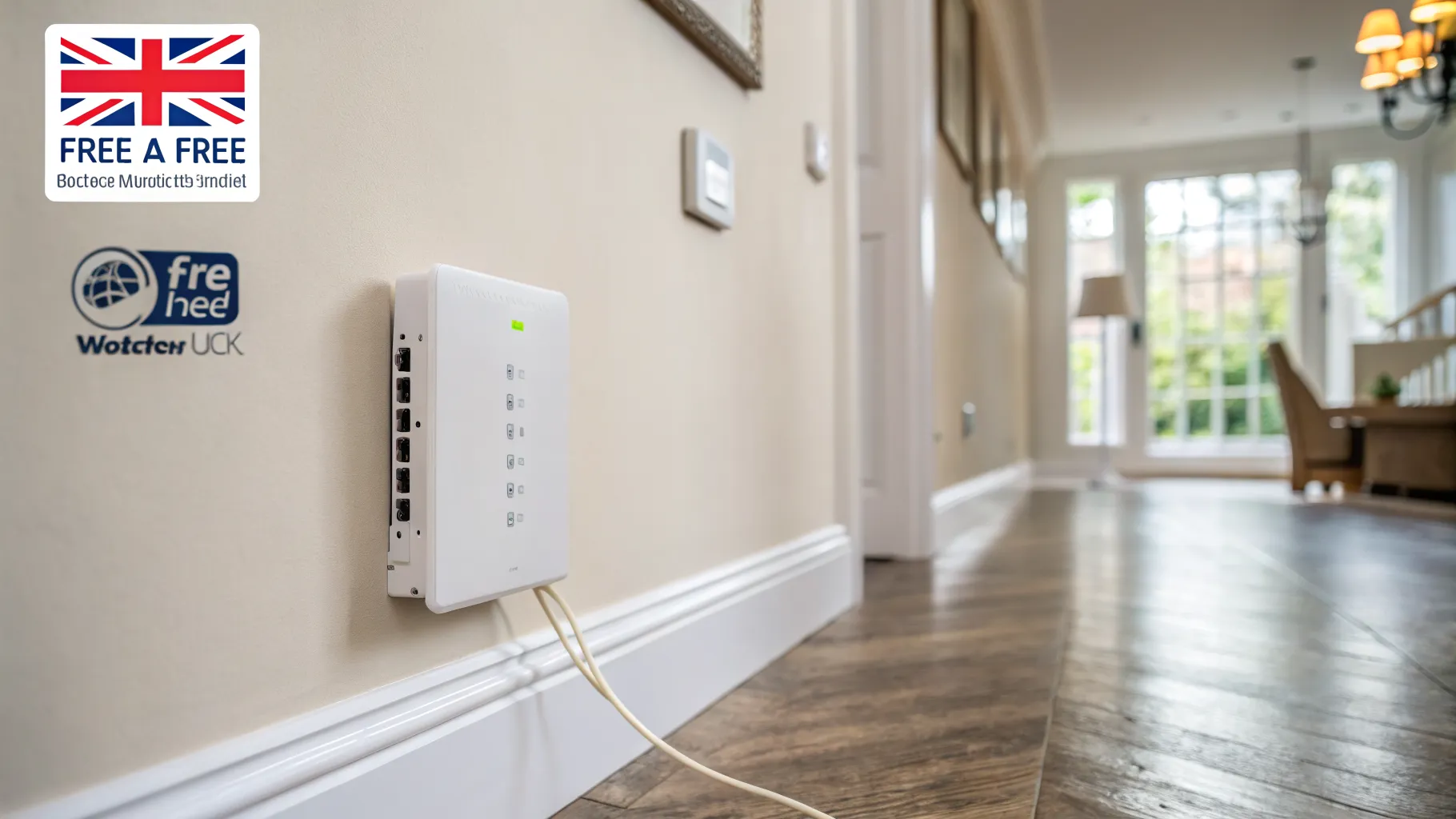
ISPreview reported on 14 October that Openreach plans a three-month proof of concept in which some customers fit their own ONT, the small box where the fibre comes into your home and the router plugs in. It would only cover box swaps, for customers on older Nokia ONTs at 1Gbps or slower who are upgrading to 1.2Gbps or faster, which often needs a new box. Openreach told ISPreview no drilling or tools will be needed, the triallists will be volunteers and employees, and it expects a small number of orders, with vulnerable and telecare customers excluded.
If it works, an upgrade to a multi-gigabit plan could mean a parcel instead of an engineer visit, at the cost of a longer lead time of about two weeks. Fitting it well is simple but matters: keep the fibre cable unkinked and the box off the floor, where dust can get into the optical connector. If your full fibre is connected but the router shows no internet, our guide to Ethernet connected but no internet covers the checks. Reported by ISPreview.
Fibrus launches 2Gbps with two Wi-Fi 7 routers
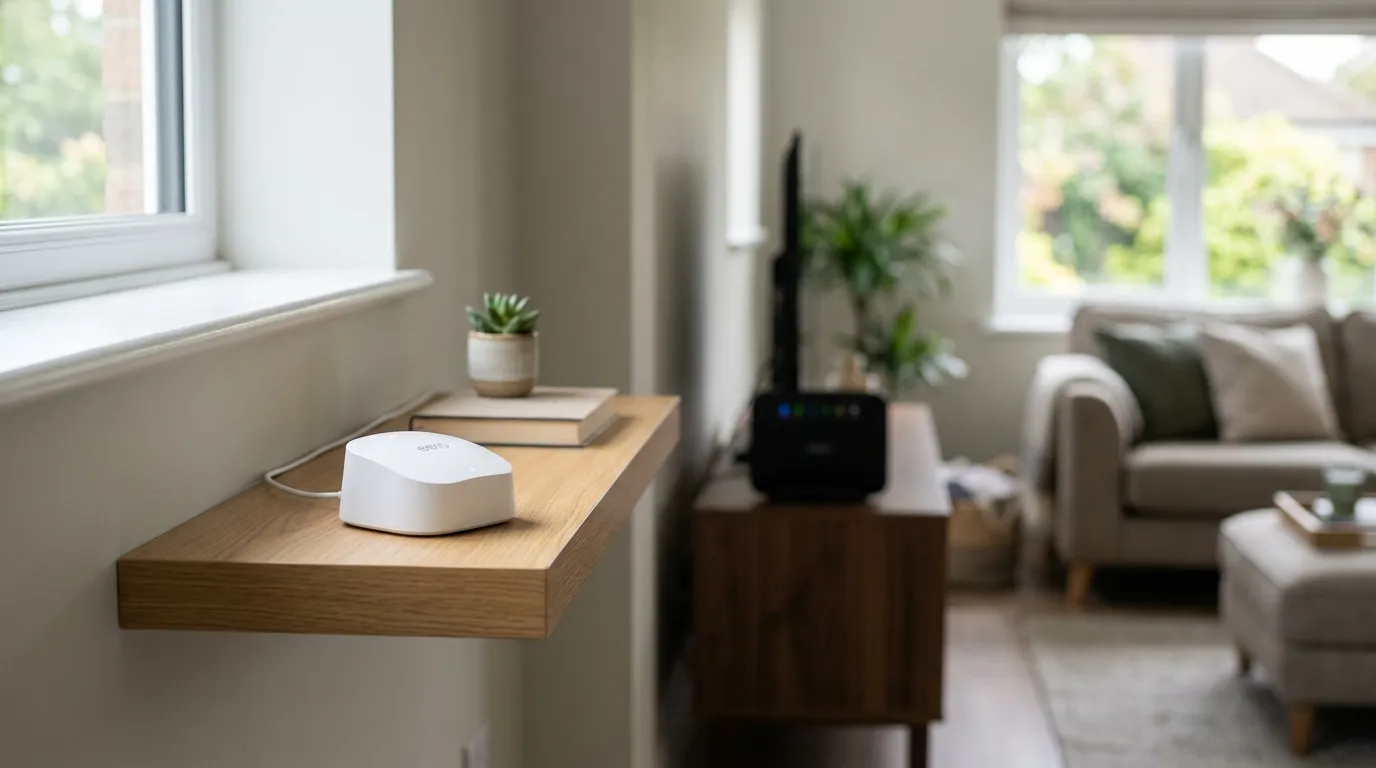
Fibrus, the full fibre provider in rural Cumbria and Northern Ireland, began rolling out a 2Gbps plan and Amazon’s eero 7 Wi-Fi 7 router on 12 October. The 2Gbps package has launched at £44.99 a month with 315Mbps upload, and both the 1Gbps and 2Gbps plans now come with two eero 7 units. Fibrus says one unit covers up to 2,000 sq ft, reaches Wi-Fi speeds of up to 1.8Gbps and has two Ethernet ports. Separately, on 9 October, it offered TalkTalk customers in its area up to £400 towards early exit fees until 13 December.
Two routers in the box is the right call: most homes that pay for 2Gbps lose the benefit in rooms one wall away from the router. But no single Wi-Fi device will see 2Gbps; the extra speed shows up across a busy house or on wired kit, and the eero has only two Ethernet ports, so a gigabit network switch may be needed. Our mesh Wi-Fi explainer covers placing the second unit. Reported by ISPreview.
Virgin Media’s 2Gbps plan is turning up on its older cable network
ISPreview reported on 12 October that Virgin Media’s 2Gbps package, until recently only on its full fibre lines, is appearing for customers on its older coaxial cable (DOCSIS 3.1) network in more places, including parts of Leicestershire, Hampshire and Greater Manchester. Virgin Media would say only that “our trial is continuing”. On cable the upload is 100Mbps, not the symmetric speeds of its full fibre plan, and new customers pay £49.99 a month, rising to £53.99 from April 2027 and £57.99 from April 2028.
If you are a Virgin Media cable customer, it is worth checking the upgrade page now and again. Whether it is worth paying for depends on what you do: our guide to what broadband speed you need works through the numbers, and if you are leaving instead, see how to cancel Virgin Media broadband. Reported by ISPreview.