HomeWire home network lab
Gear: Mesh, Extenders & Adapters

Mesh Wi-Fi Explained: How It Works and Whether It's Worth It
By the HomeWire team Updated 2026 Tested in real UK homes
Mesh Wi-Fi Explained: How It Works and Whether It's Worth It

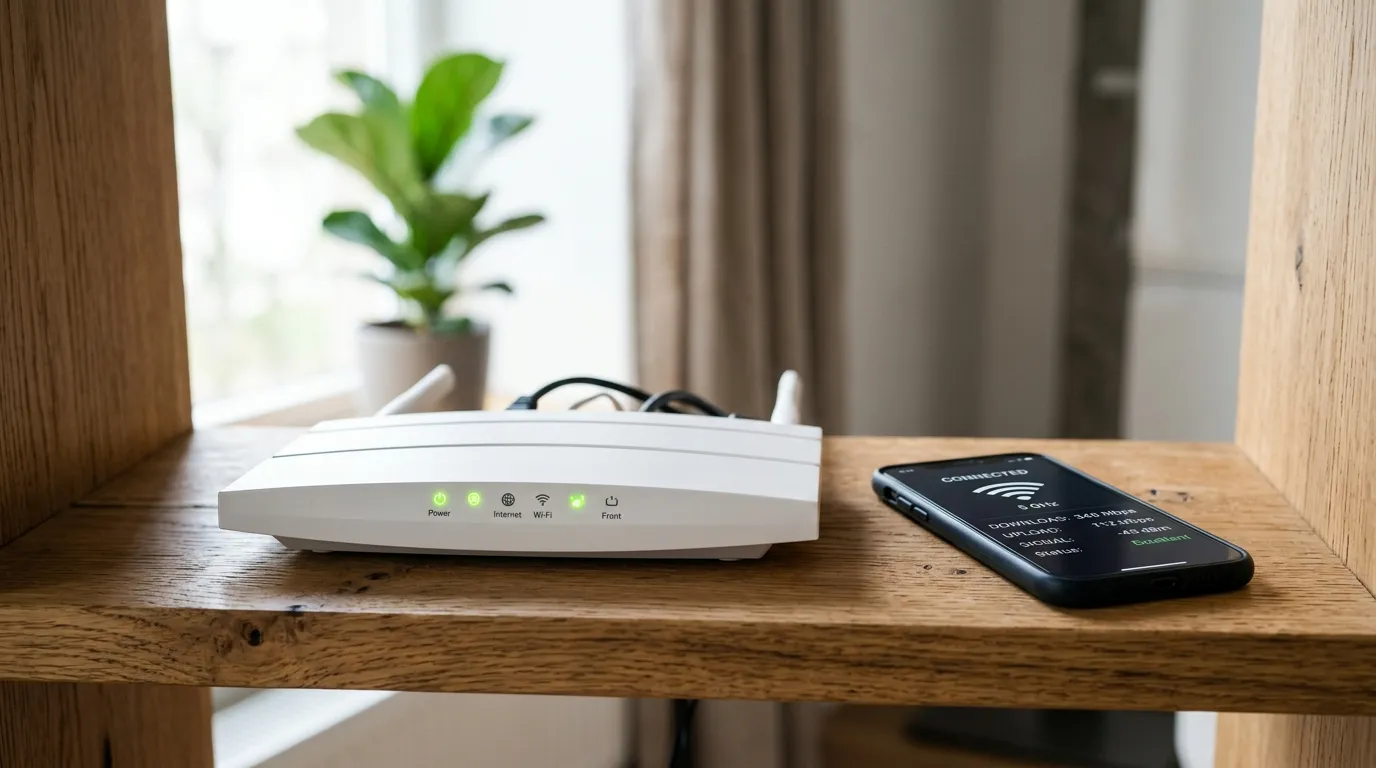
Mesh Wi-Fi is the most reliable way to cover a whole home with strong, seamless wireless, and for most houses with dead spots it is the upgrade that finally fixes them. Instead of one router straining to reach every corner, a mesh system uses two or more units that work together as a single network. This guide explains, in plain English, how mesh Wi-Fi actually works, the jargon that matters (especially backhaul), how it differs from an extender, and whether it is genuinely worth the money for your home.

What mesh Wi-Fi actually is

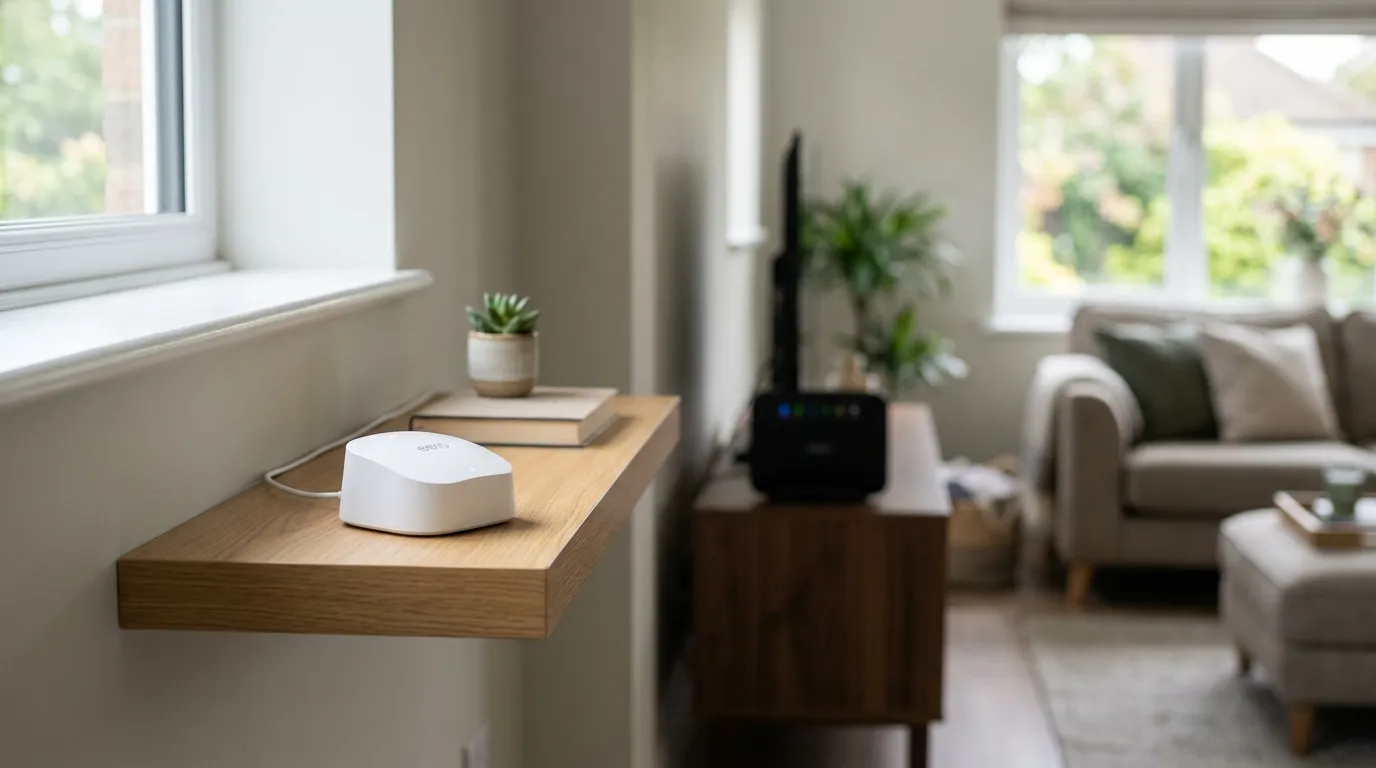
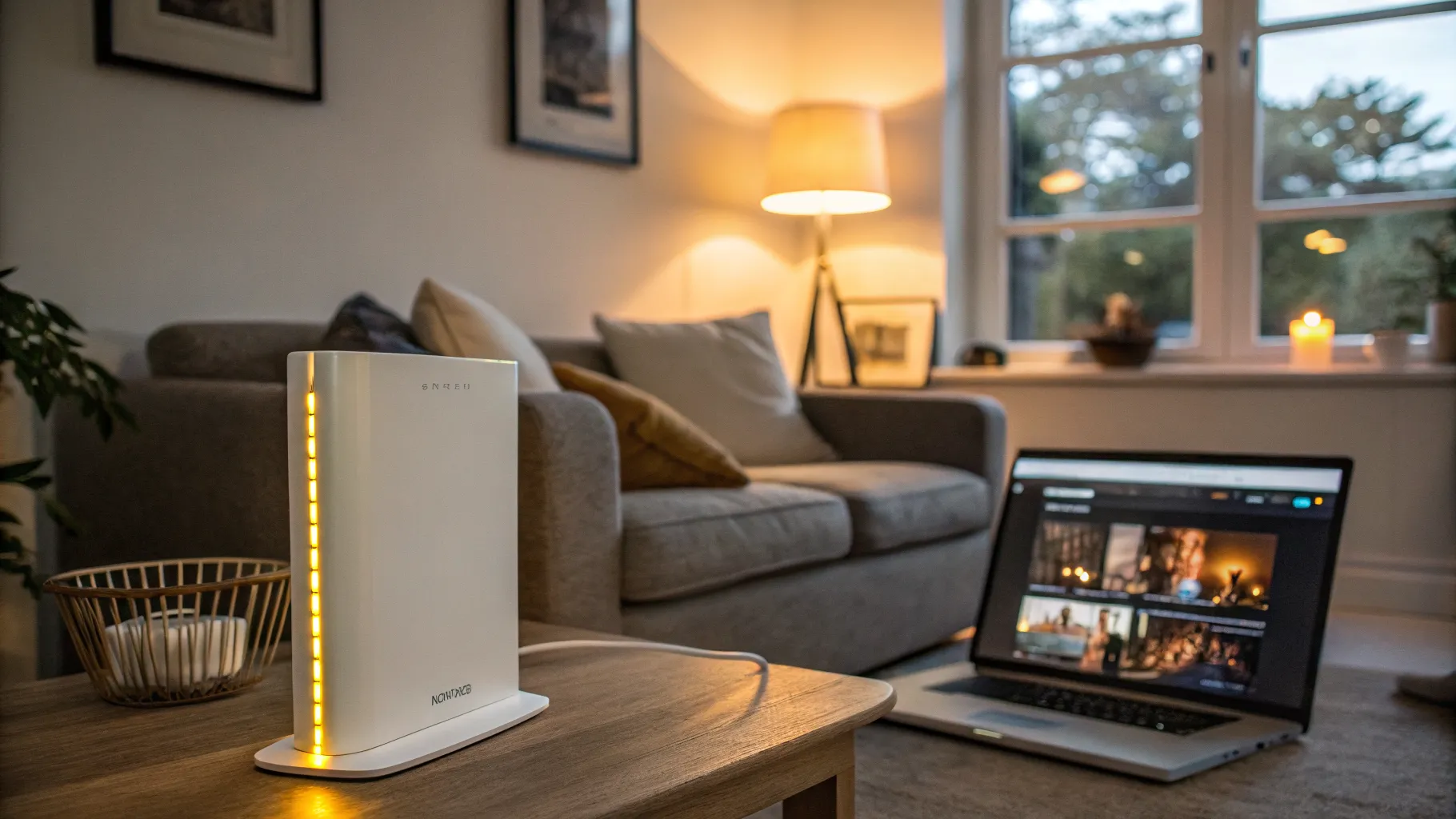
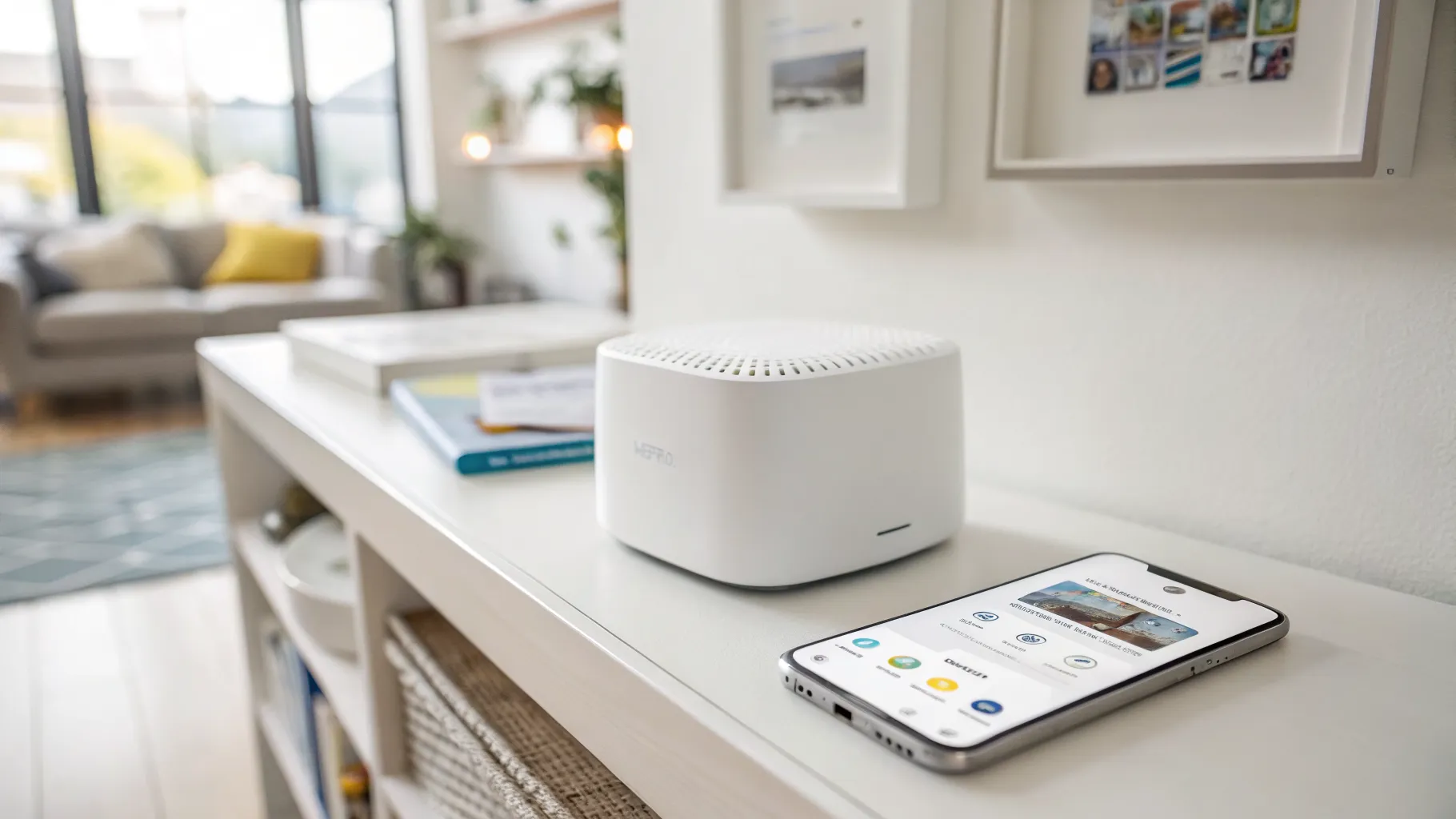
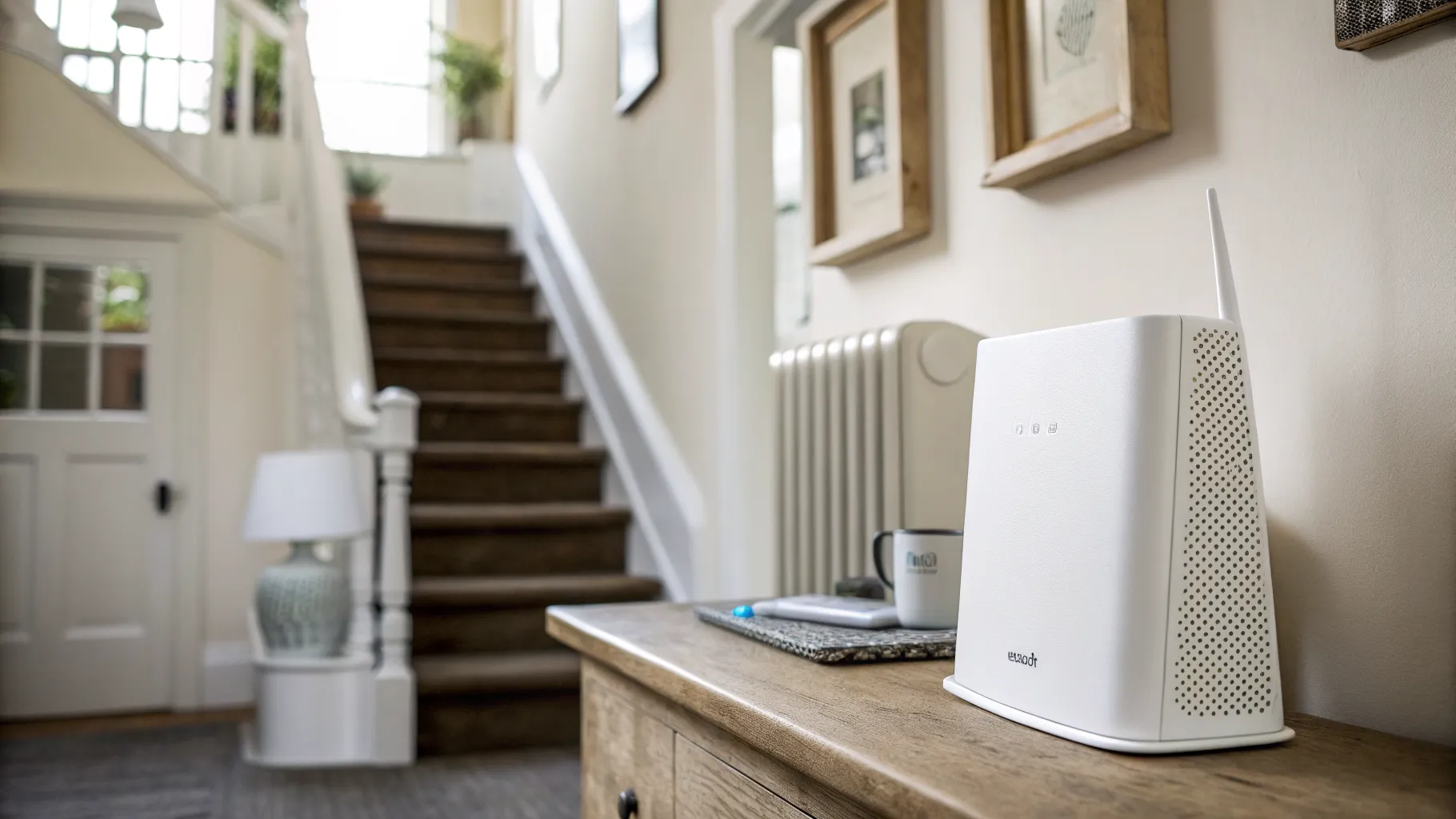
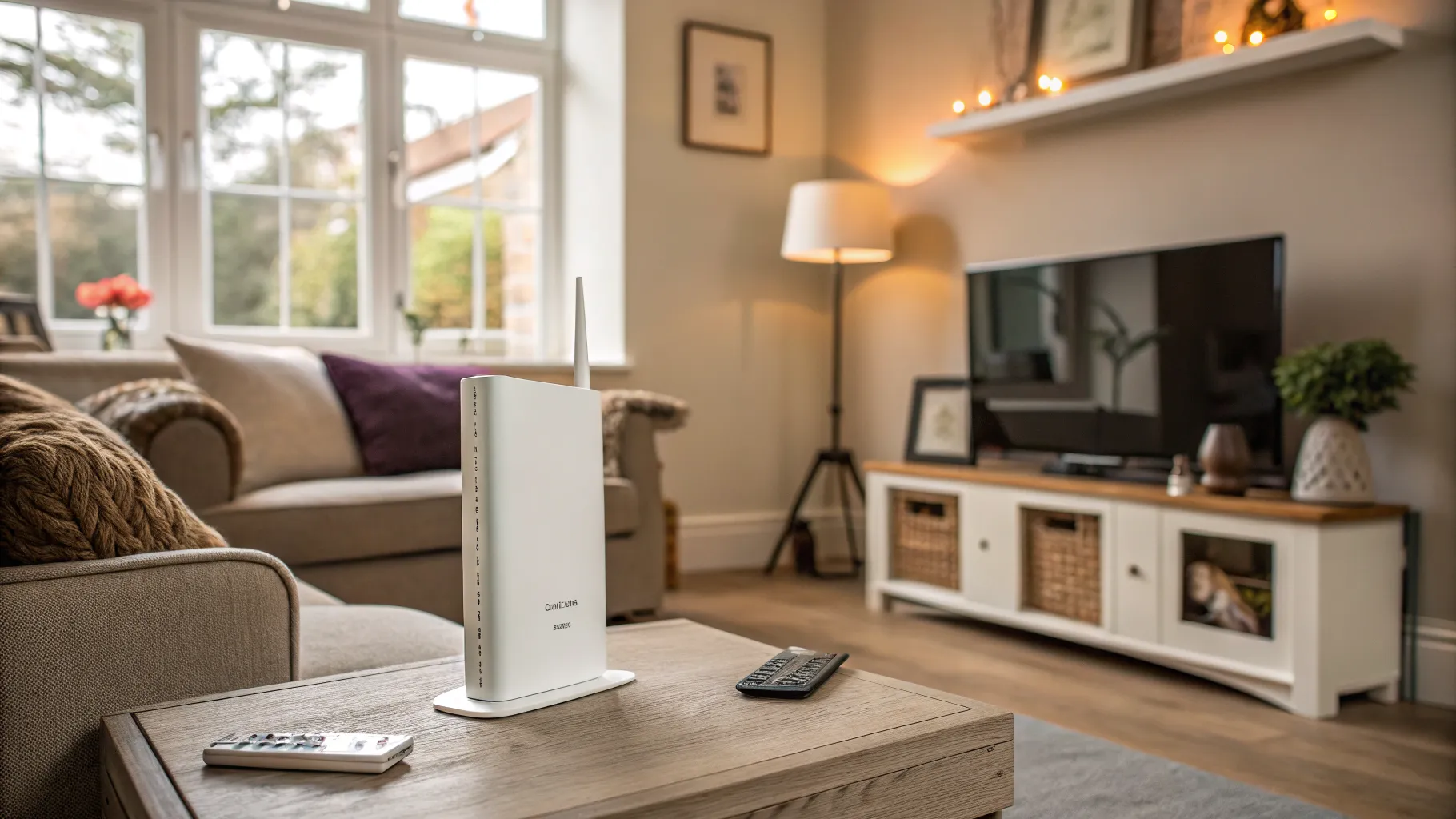
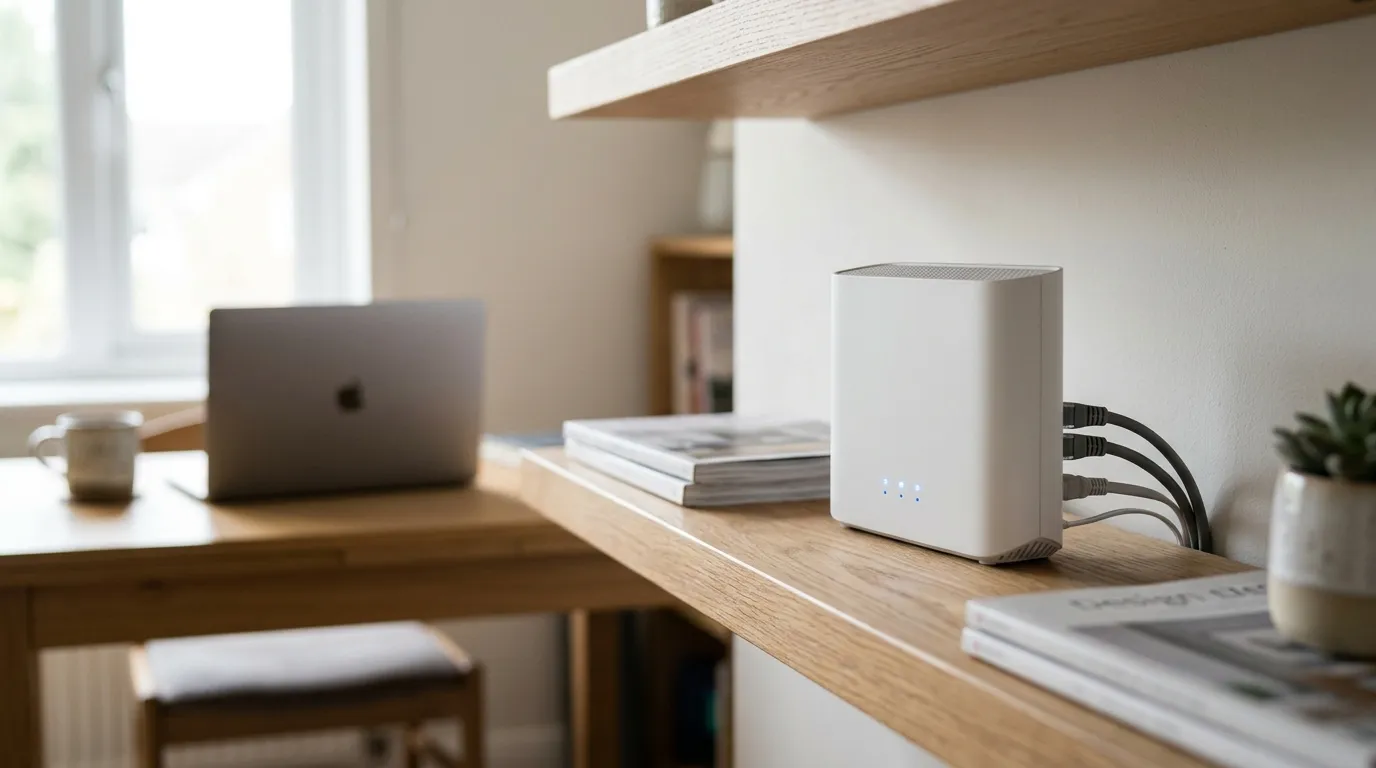
A mesh Wi-Fi system is a set of matching units, usually called nodes, that blanket your home in one continuous network. One node plugs into your existing router or modem and acts as the main unit. The others sit around the house and relay the signal onward. Crucially, they all broadcast the same network name (SSID) and password, so your phone or laptop roams from node to node automatically as you move around, without ever asking you to reconnect.

That “one network, roam anywhere” behaviour is the whole point. A traditional single router gives you strong Wi-Fi near it and weak or no signal far away. A mesh spreads several strong sources through the house, so the signal is good everywhere rather than excellent in one room and useless in another.

How the nodes talk to each other: backhaul

The most important word in mesh Wi-Fi, and the one nobody explains, is backhaul. Backhaul simply means the link the nodes use to talk to each other, separate from the connection your devices use. It comes in two forms:

  • Wireless backhaul. The nodes talk over the air. This is the easy, no-cables option. Better systems are tri-band, meaning they set aside a whole radio band just for backhaul so your devices are not fighting the nodes for airtime.
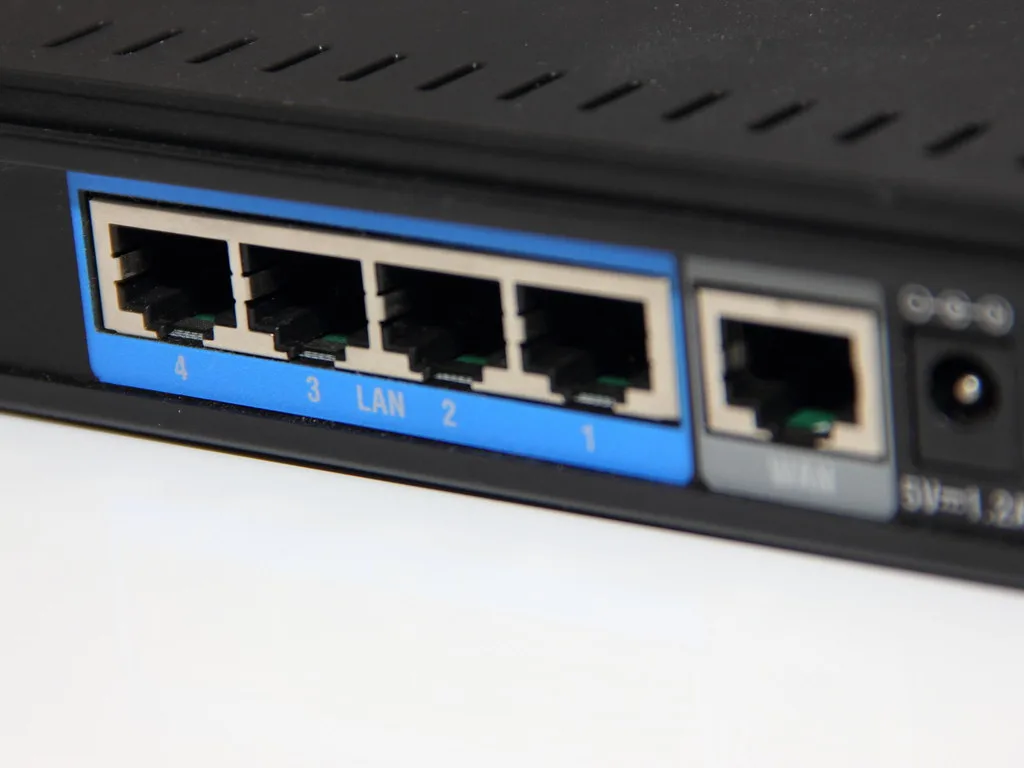
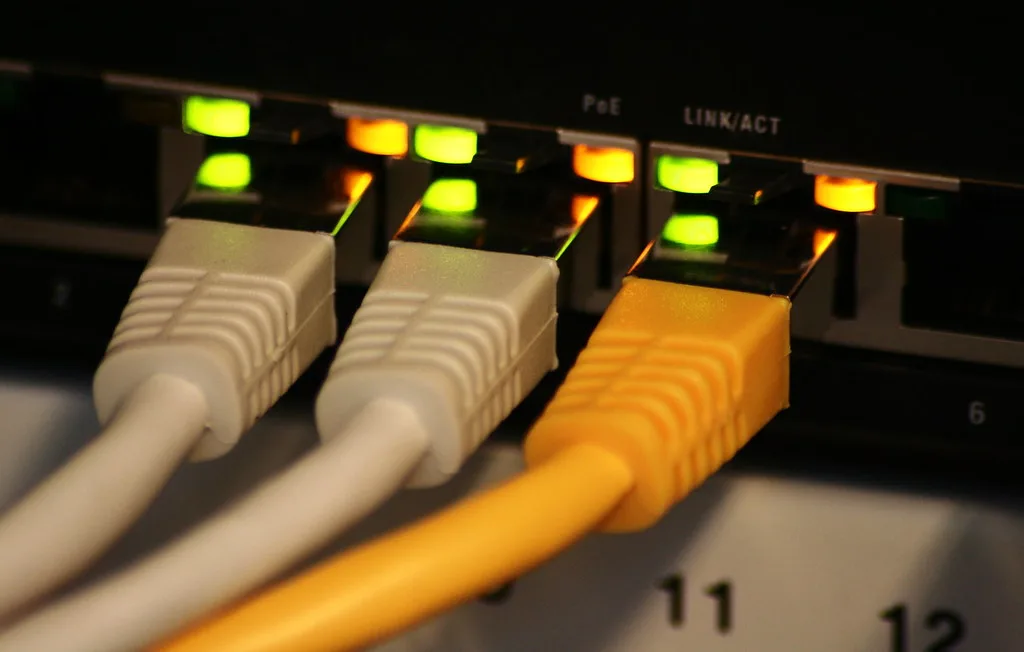
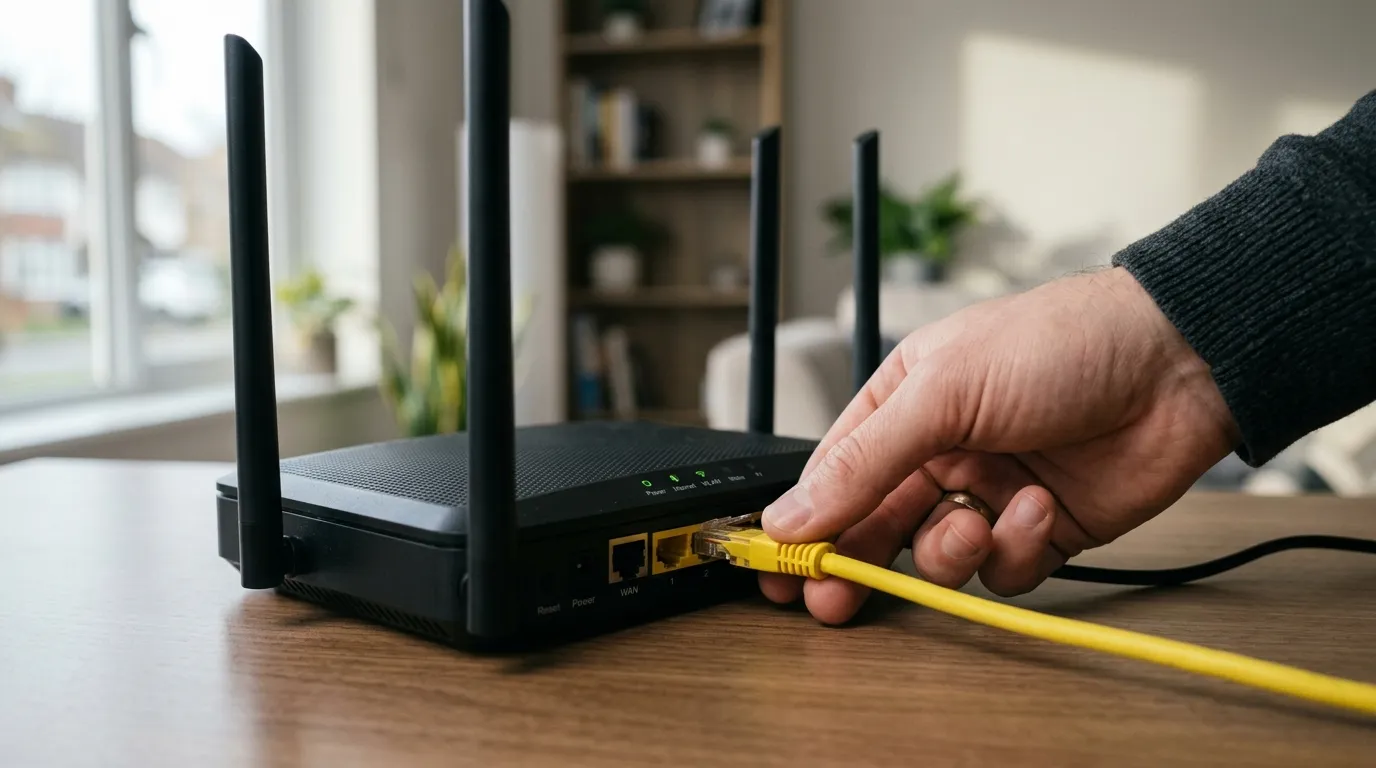
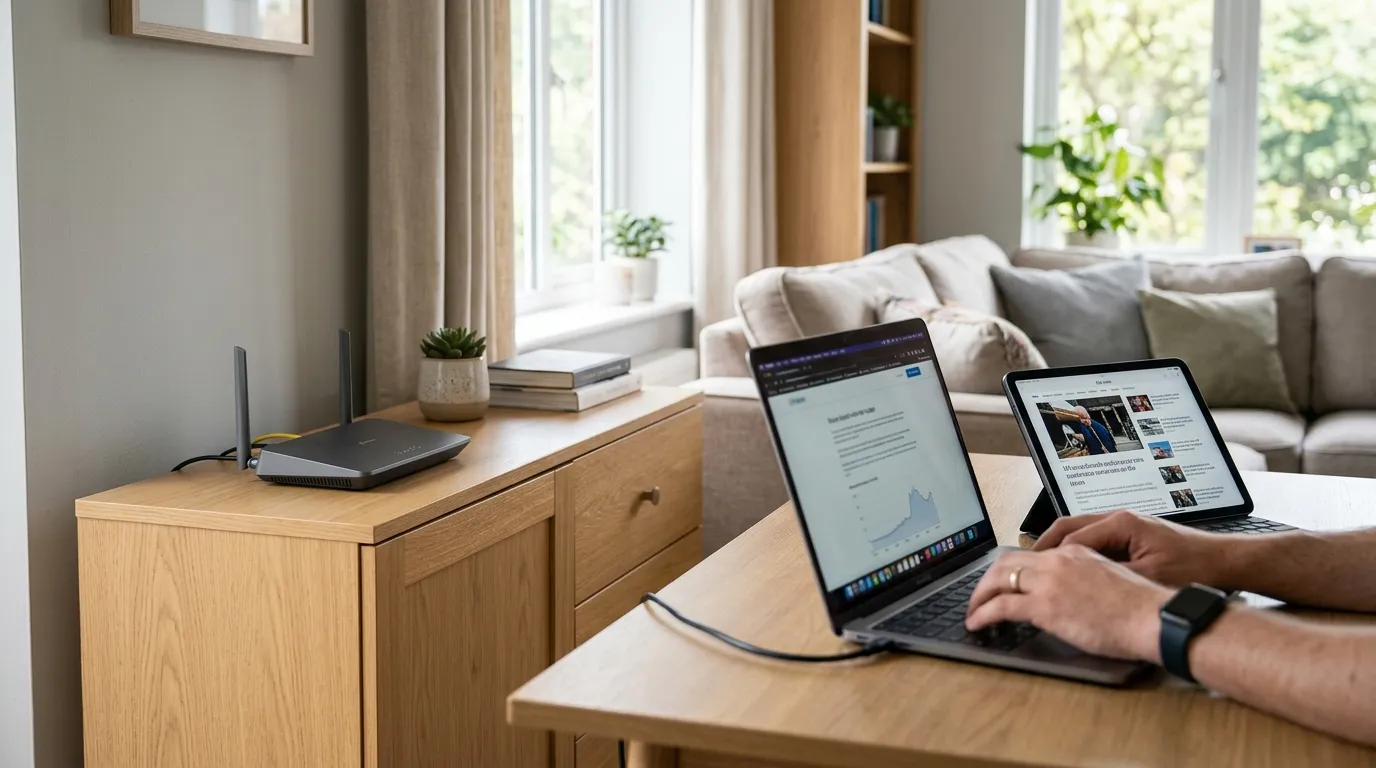
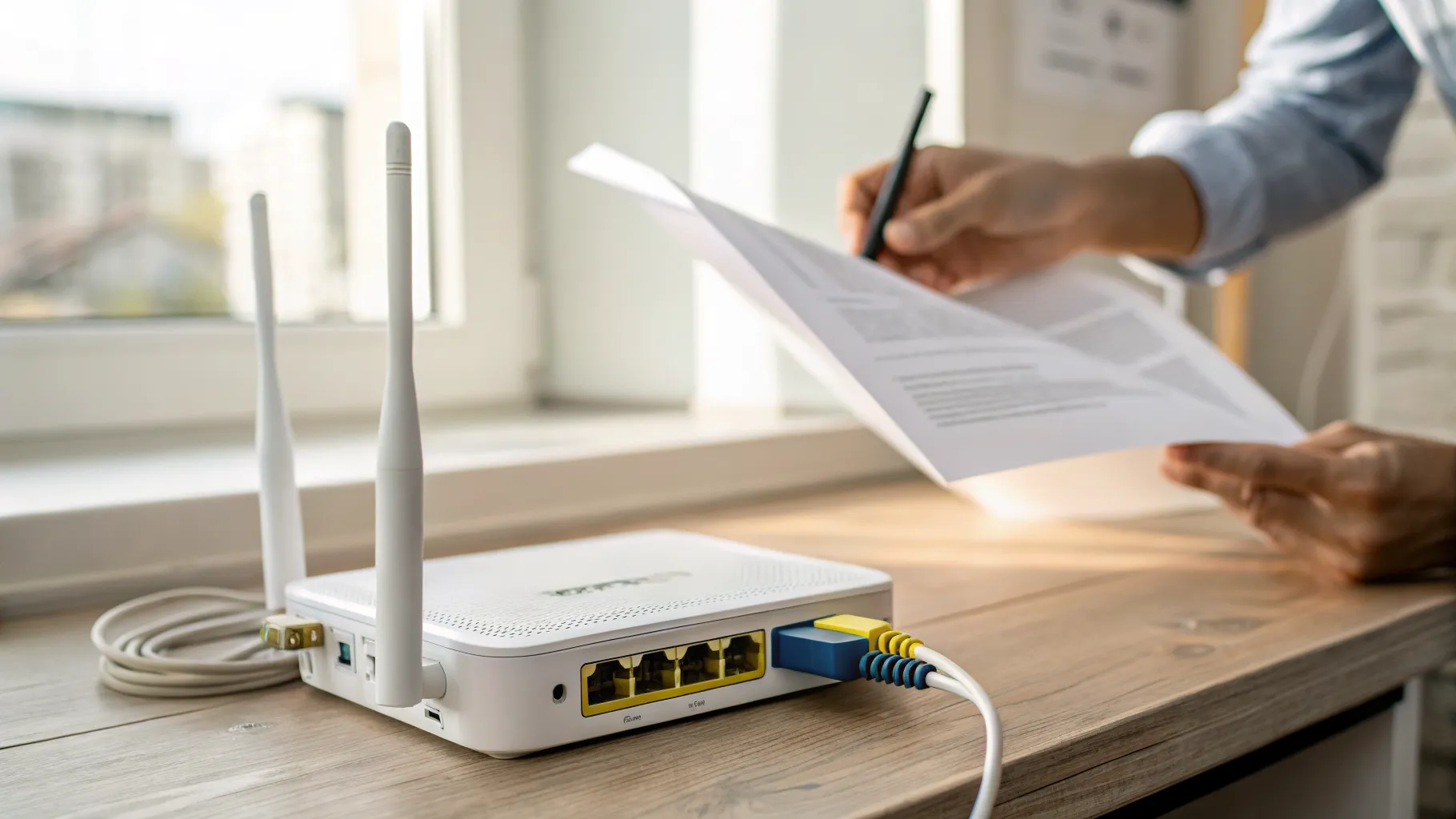
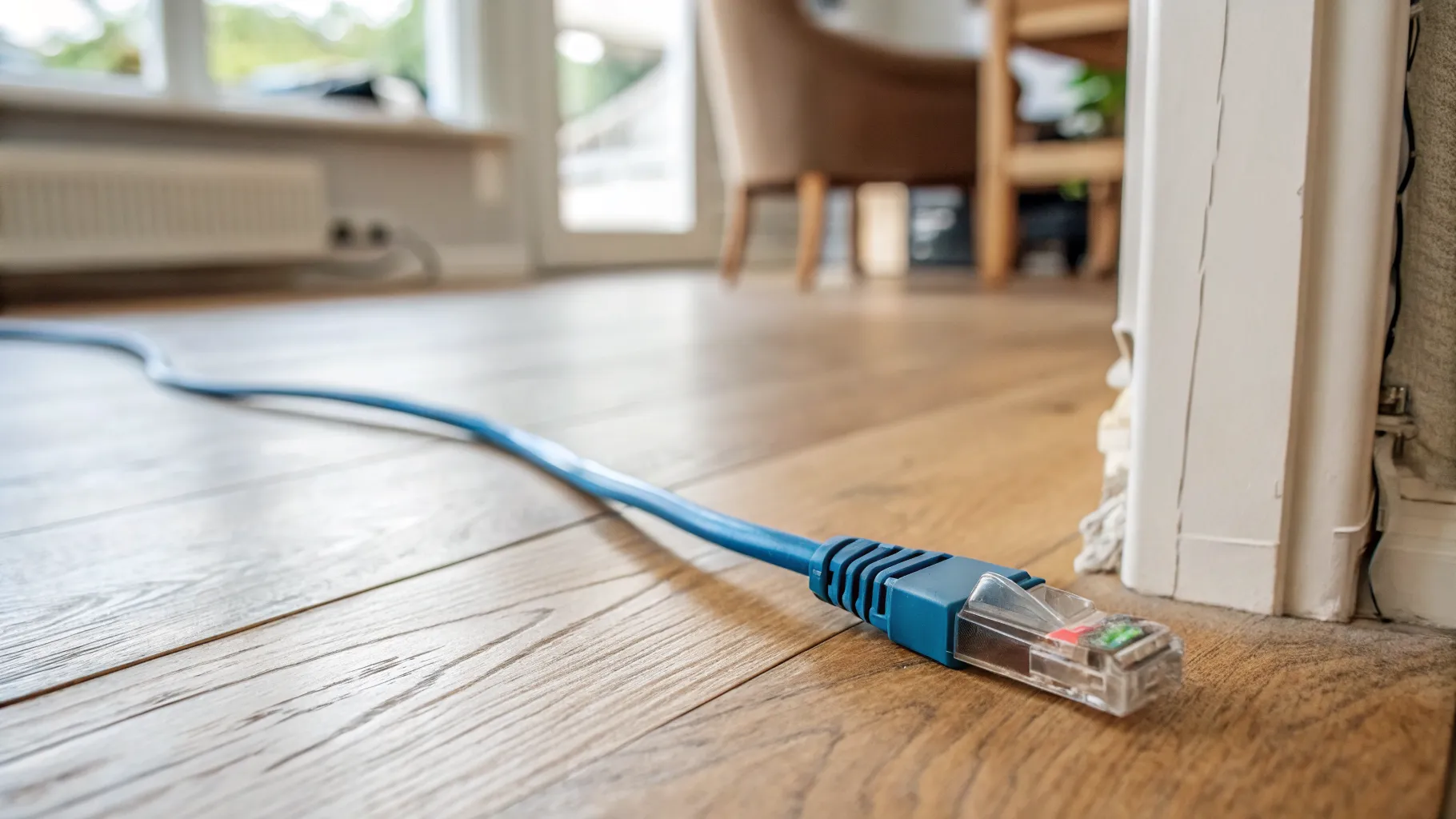
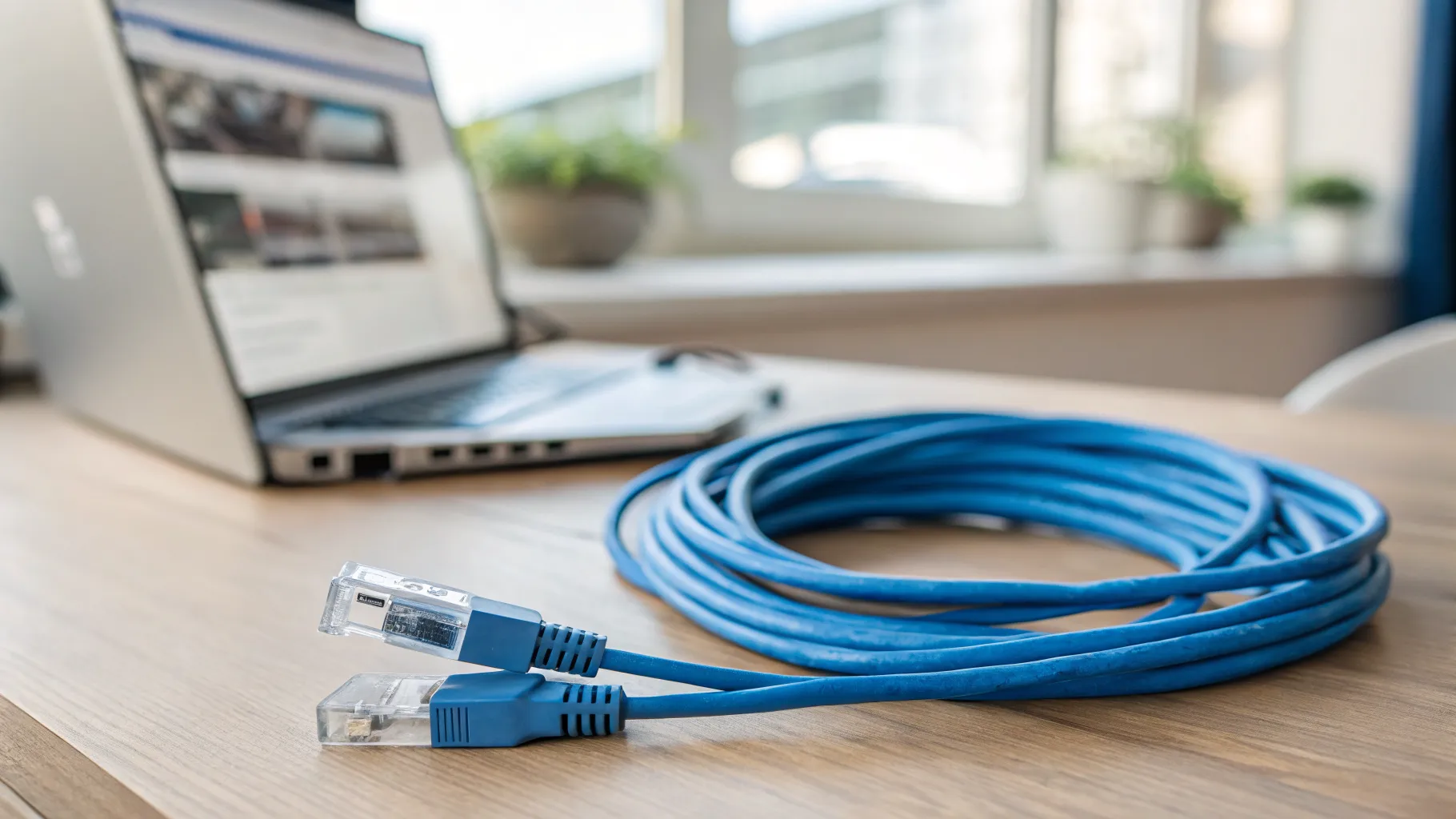
  • Wired (Ethernet) backhaul. You run a network cable between the nodes. It is more effort, but it is the single biggest thing you can do to make any mesh faster and steadier, because the busy job of moving data between nodes no longer eats into your Wi-Fi.

If you can run even one Ethernet cable to a far node, do it. In real homes, wired backhaul matters more than the badge on the box.

Mesh vs an extender: why mesh wins

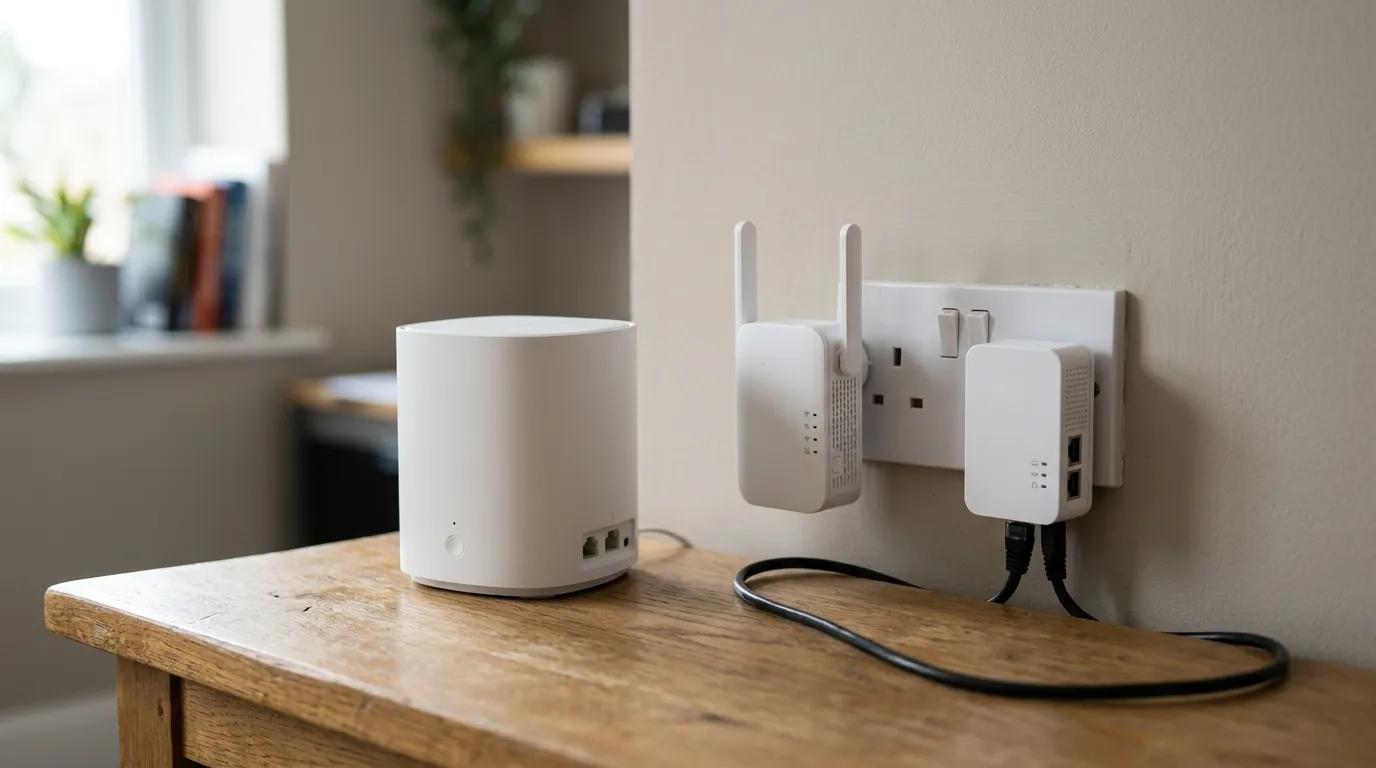
People often reach for a cheap Wi-Fi extender first, so it is worth being clear on the difference. A basic extender rebroadcasts your router’s signal, usually on a separate network name, and typically halves the speed of anything connected through it. You end up manually switching networks as you move around, often onto the slower one.

A mesh keeps everything under one name, manages which node your device uses, and (on good systems) protects speed with dedicated backhaul. An extender can still make sense for a single stubborn spot like a garden office or a garage, but for whole-home coverage a mesh is the better tool. We compare all the options in mesh vs extender vs powerline.

Wi-Fi 6, 6E and 7: which generation to care about

Mesh systems come in different Wi-Fi generations, and the label tells you roughly how modern and future-proof the kit is:

  • Wi-Fi 6 is the value baseline and still plenty for most UK broadband speeds.
  • Wi-Fi 6E adds the extra 6 GHz band, which is useful as a clean lane for wireless backhaul.
  • Wi-Fi 7 is the newest standard, with the highest peak speeds and better handling of lots of devices at once. It is the one to pick if you have very fast full-fibre broadband or a house full of gadgets. The industry body behind the standards, the Wi-Fi Alliance, certifies which devices genuinely meet each one.

In the popular TP-Link Deco range, for example, the X models are Wi-Fi 6, XE models add 6 GHz, and BE models are Wi-Fi 7. Amazon’s eero range works the same way, with the plug-and-forget eero 7 for most homes and the tri-band eero Pro 7 for larger ones. Netgear Orbi and ASUS ZenWiFi are other well-known options. For our current picks, see the best mesh Wi-Fi systems in the UK.

Do you already have mesh from your ISP?

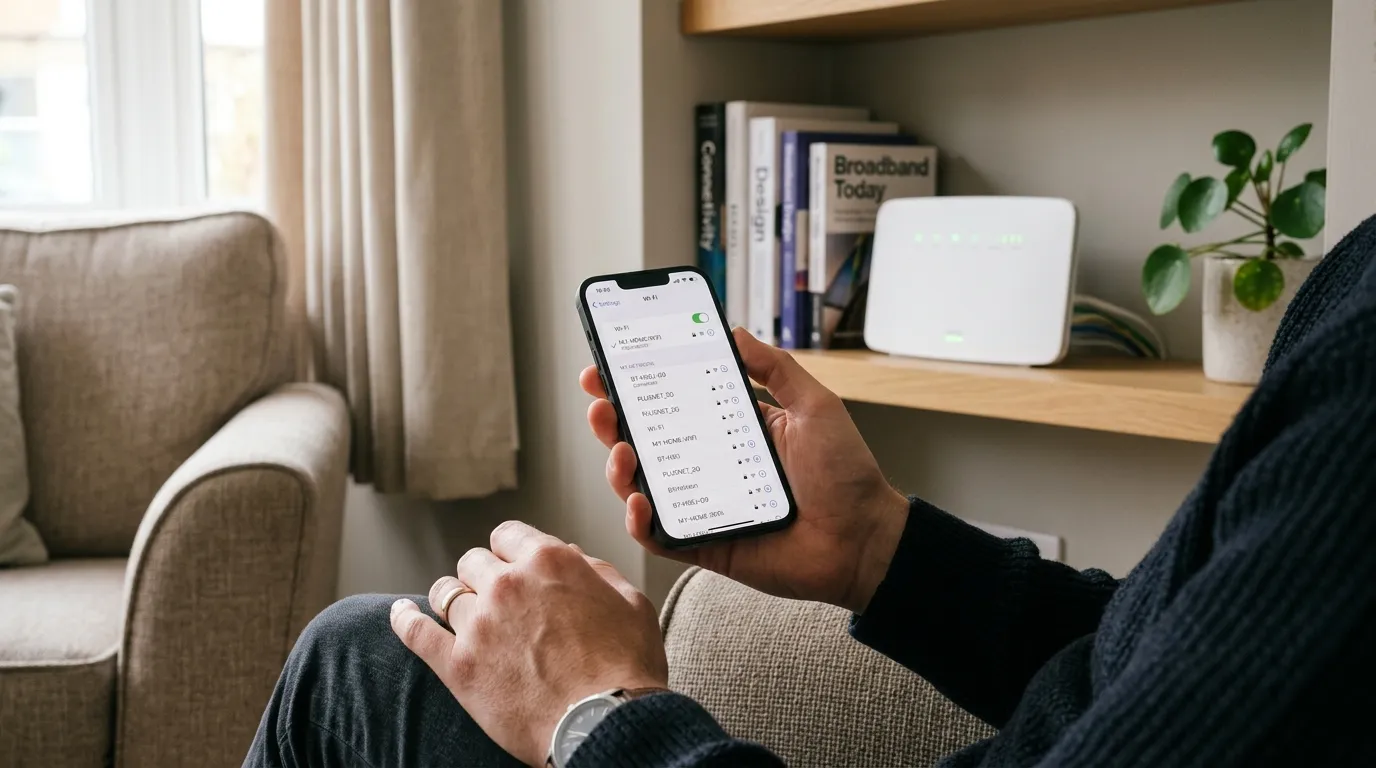
Before buying, check what you have. Many UK providers offer their own mesh discs, such as BT Complete Wi-Fi discs, Sky’s Wi-Fi pods and Virgin Media’s Wi-Fi Pods. These are often included or cheap to add and can be enough for a mid-sized home. A bought mesh system usually outperforms them and gives you more control, but if your problem is mild, the free option is worth trying first.

Is mesh Wi-Fi worth it?

Mesh is worth it if any of these apply: you have real dead spots the router cannot reach, you live in a larger or multi-storey home, your walls are thick, or you have lots of devices competing for Wi-Fi. In those cases nothing else fixes coverage as cleanly, and our guide to fixing Wi-Fi dead spots explains where mesh fits among the alternatives.

It is not worth it if you live in a small flat where a single well-placed router already reaches every room. In that case, moving the router more central, or adding one extender for a single weak spot, is cheaper and does the job. Buy mesh to solve a coverage problem you actually have, not as a blanket speed upgrade; if your broadband itself is slow, mesh will not make it faster, and our guide on why your Wi-Fi is so slow is the better starting point.

Frequently asked questions

What is mesh Wi-Fi and how does it work? Mesh Wi-Fi uses two or more units, called nodes, that work together as one network with a single name and password. One node connects to your router and the others relay the signal through the home, letting your devices roam between them automatically. The result is strong, seamless coverage everywhere instead of just near the router.

What does backhaul mean in networking? Backhaul is the dedicated link mesh nodes use to talk to each other, separate from the connection your phones and laptops use. It can be wireless, over the air, or wired using Ethernet cable. Wired backhaul is faster and more stable, so using it wherever possible noticeably improves any mesh system.

Is mesh Wi-Fi better than a Wi-Fi extender? For whole-home coverage, yes. A mesh keeps everything on one network and manages your connection as you move, while an extender usually creates a separate, slower network you have to switch to manually. An extender is fine for one isolated dead spot, but a mesh is the better choice for covering a whole house.

Do I need Wi-Fi 7 for a mesh system? Only if you have very fast full-fibre broadband or a lot of demanding devices. Wi-Fi 7 offers the highest speeds and best handling of busy networks, but a Wi-Fi 6 mesh is more than enough for most UK homes and broadband speeds. Match the generation to your broadband and device count rather than always buying the newest.

Will mesh Wi-Fi make my internet faster? Mesh improves coverage and reliability, not the speed of your broadband line itself. If rooms far from the router were slow because of weak signal, mesh will fix that. But if your whole connection is slow, the issue is your broadband or router, and mesh alone will not increase the speed coming into your home.

How many mesh nodes do I need? Most homes are well covered by a two or three-node kit. A small-to-medium home often needs two, while a larger or multi-storey house, or one with thick walls, usually wants three. It is better to add a node where coverage is weak than to buy far more than you need.
// more from HomeWire
Why Is My Wi-Fi So Slow? 12 Fixes That Actually Work (UK)
Fix It: Wi-Fi & Network Troubleshooting

Why Is My Wi-Fi So Slow? 12 Fixes That Actually Work (UK)

Why is my Wi-Fi so slow? 12 tested UK fixes, from router placement and 5GHz to channel changes and your Ofcom minimum-speed rights.

Wi-Fi Keeps Dropping or Disconnecting? Step-by-Step Fix
Fix It: Wi-Fi & Network Troubleshooting

Wi-Fi Keeps Dropping or Disconnecting? Step-by-Step Fix

If your wifi keeps dropping, work through these UK fixes in order: restart the router, change the channel, split the bands and check for a line fault.

Ethernet Connected But No Internet? How to Fix It
Fix It: Wi-Fi & Network Troubleshooting

Ethernet Connected But No Internet? How to Fix It

Ethernet connected but no internet? Work through these ordered UK fixes, from a quick router reboot to DHCP, DNS and driver repairs that get you back online.

How to Log Into Your Router at 192.168.1.1 (UK Routers)
Set Up & Get Online

How to Log Into Your Router at 192.168.1.1 (UK Routers)

A step-by-step 192.168.1.1 router login guide for UK routers, plus the correct IP for BT, Sky, Virgin, TalkTalk, EE and Plusnet hubs.

How to Change Your Wi-Fi Channel to Stop Interference
Set Up & Get Online

How to Change Your Wi-Fi Channel to Stop Interference

How to change your Wi-Fi channel to stop interference: best 2.4GHz and 5GHz channels, plus steps for BT, Sky, Virgin and TalkTalk routers.

Mesh Wi-Fi vs Extender vs Powerline: Which Beats Dead Spots?
Gear: Mesh, Extenders & Adapters

Mesh Wi-Fi vs Extender vs Powerline: Which Beats Dead Spots?

Mesh vs extender vs powerline compared for UK homes: which one actually fixes Wi-Fi dead spots, with real speeds, costs and setup tips.

Wi-Fi Channel Finder
Tools

Wi-Fi Channel Finder

Best Wi-Fi channel finder for UK homes: read your phone's Wi-Fi scan and get the least-crowded 2.4GHz, 5GHz and 6GHz channel to switch to.

Broadband Speed Calculator: How Much Do You Actually Need?
Tools

Broadband Speed Calculator: How Much Do You Actually Need?

Free broadband speed calculator: tell us your household and we work out how much broadband speed you need, in Mbps, for the UK.

Mesh Node Planner
Tools

Mesh Node Planner

Free UK mesh node planner: answer how many mesh nodes do I need for your home's size, floors and walls, with a printable placement plan.

How to Fix Wi-Fi Dead Spots at Home: 9 Proven Fixes
Fix It: Wi-Fi & Network Troubleshooting

How to Fix Wi-Fi Dead Spots at Home: 9 Proven Fixes

Fix Wi-Fi dead spots at home with 9 proven steps, free fixes first: router placement, band, channel, mesh, wired backhaul and UK ISP kit explained.

Best Mesh Wi-Fi Systems UK 2026: Tested and Compared
Gear

Best Mesh Wi-Fi Systems UK 2026: Tested and Compared

The best mesh Wi-Fi systems for UK homes in 2026, ranked by coverage, value and backhaul. Wi-Fi 6, 6E and 7 picks for brick and stone walls.

How to Reset Your Router Without Losing Your Settings
Set Up & Get Online

How to Reset Your Router Without Losing Your Settings

Restart fixes most problems and keeps every setting. Factory reset wipes the lot. UK hub-by-hub steps for BT, Virgin, Sky and EE, plus what to save first.

What Is a Good Ping for Gaming and How to Lower It
Speed & Coverage

What Is a Good Ping for Gaming and How to Lower It

A good gaming ping is under 30ms for competitive play, under 50ms casual. Here is how to lower it: go wired, pick a near server, and fix Wi-Fi and QoS.

BT, Sky, Virgin and EE Router Default Passwords Explained
Set Up & Get Online

BT, Sky, Virgin and EE Router Default Passwords Explained

There is no master password for BT, Sky, Virgin or EE hubs. Where each default actually lives, Wi-Fi vs admin passwords, and what a reset restores.

Why Your Broadband Slows Down in the Evening (and What to Do)
Fix It: Wi-Fi & Network Troubleshooting

Why Your Broadband Slows Down in the Evening (and What to Do)

Broadband slow in the evening? Here's why UK speeds dip around 9pm, how to test if it's your line or Wi-Fi, and what actually fixes it.

2.4GHz vs 5GHz vs 6GHz: Which Band Should You Use and When
Speed & Coverage

2.4GHz vs 5GHz vs 6GHz: Which Band Should You Use and When

Which Wi-Fi band to join, when, for UK homes. A use-case table, the physics, Ofcom rules, plus 6GHz, WiFi 6E/7 and merge-vs-split SSID advice.

How to Run an Ethernet Cable Through Your House Tidily
Set Up & Get Online

How to Run an Ethernet Cable Through Your House Tidily

A practical UK guide to running Ethernet cable through your house tidily: planning routes, choosing cable, wall and floor runs, terminating and safety.

Long Ethernet Cable: Which Length and Category to Buy
Gear: Mesh, Extenders & Adapters

Long Ethernet Cable: Which Length and Category to Buy

Buying a long Ethernet cable for a UK home? Which length and category to pick, why length barely affects speed, and outdoor and in-wall rules.

What Is Broadband? A Plain-English Guide for UK Households
Set Up & Get Online

What Is Broadband? A Plain-English Guide for UK Households

What is broadband, in plain English: the UK types explained, real speeds vs the headline numbers, and what the 2027 copper switch-off means for you.

Smart Wi-Fi: What It Means and Why Your Next Router Needs It
Speed & Coverage

Smart Wi-Fi: What It Means and Why Your Next Router Needs It

What smart Wi-Fi actually means: band steering, mesh roaming, app control and device priority explained in plain English, and whether you really need it.

BT WiFi Hotspot: How to Use It When You're Away From Home
Speed & Coverage

BT WiFi Hotspot: How to Use It When You're Away From Home

How a BT Wi-Fi hotspot works, how to connect with your BT ID or the app, the BTWifi-with-Fon network, and how it now ties into EE Wi-Fi.

Cat 6 Ethernet Cable: What to Know Before You Buy
Gear: Mesh, Extenders & Adapters

Cat 6 Ethernet Cable: What to Know Before You Buy

A plain-English Cat 6 Ethernet cable guide for UK homes: how it compares to Cat5e and Cat6a, real speed limits, shielding, and which cable to actually buy.

Outdoor Wi-Fi Extender Guide: Garden, Garage and Outbuildings
Speed & Coverage

Outdoor Wi-Fi Extender Guide: Garden, Garage and Outbuildings

An outdoor wifi extender can push your network to the garden, garage or outbuilding. How they work, IP ratings, PoE, and how to choose the right one.

Gear: Mesh, Extenders & Adapters

HDMI Extender Guide: Send an HDMI Signal Over Long Distances

An HDMI extender sends video and audio far beyond a normal cable's limit. How the main types work, their real distances, and how to choose the right one.

Gear: Mesh, Extenders & Adapters

PoE Switch Explained: Power Over Ethernet for Home and Small Office

A PoE switch explained in plain English: how Power over Ethernet works, the PoE, PoE+ and PoE++ standards, what it powers, and whether you need one at home.

Gear: Mesh, Extenders & Adapters

Gigabit and 2.5Gb Network Switches: Is the Upgrade Worth It?

A plain guide to gigabit and 2.5Gb network switches for the home: what a switch does, when 2.5GbE is worth it, managed vs unmanaged, and which type to buy.

Gear: Mesh, Extenders & Adapters

VoIP Adapter Explained: Keep Your Landline When You Switch to Fibre

A VoIP adapter lets you keep your old landline phone on full fibre. Here is how an ATA works, when you need one, and the power-cut catch to plan for.

Set Up & Get Online

Wi-Fi Repeater Setup: Extend a Wireless Network Room by Room

A plain-English wireless Wi-Fi repeater setup guide: WPS and manual methods, where to place it, same or separate SSID, and fixes when it slows your speed.
Fix It: Wi-Fi & Network Troubleshooting

BT Router Flashing Purple or Pink? Meaning and How to Fix It

A BT router flashing purple or pink means no broadband connection. Here is what each BT Hub light colour means and the exact steps to get back online.

Set Up & Get Online

Ethernet Wiring Diagram: How to Wire an RJ45 Plug and Wall Socket

A clear ethernet wiring diagram for UK homes: the T568A and T568B colour order, how to wire an RJ45 plug and wall socket, and the one rule not to break.

Speed & Coverage

Network Booster for Mobile: How to Improve Phone Signal at Home

A network booster for mobile can help weak indoor signal, but UK rules matter. How to improve phone signal at home legally, with Wi-Fi Calling and Ofcom rules.

Gear: Mesh, Extenders & Adapters

USB-C to USB Adapter: When You Need One and What to Look For

A plain guide to the USB-A to USB-C adapter: which direction you need, the speed and power ratings that matter, OTG for phones, and how to avoid a bad one.

Gear: Mesh, Extenders & Adapters

USB Extender Cable: Extend USB Beyond 5 Metres Without Signal Loss

How to use a USB extender to run USB past its 5 metre limit: active repeater cables, USB-over-Ethernet extenders and optical cables, plus what actually works.

Gear: Mesh, Extenders & Adapters

USB to Ethernet Adapter: Get a Wired Connection With No Port

A plain-English USB to Ethernet adapter guide: how to pick USB-A or USB-C, why gigabit speed and the chipset matter, and how to get a solid wired connection.

Set Up & Get Online

Broadband Without a Phone Line: Your UK Options Explained

Getting broadband without a phone line in the UK: full fibre, SoGEA, 4G and 5G options, the 2027 landline switch-off and how to drop line rental.

Gear: Mesh, Extenders & Adapters

KVM Switch Guide: Share One Keyboard and Monitor Across PCs

What a KVM switch does, why EDID emulation decides whether yours is usable, and how to pick one for 4K, dual monitors or a work laptop plus a home PC.

Fix It: Wi-Fi & Network Troubleshooting

How to Cancel Virgin Broadband Without Paying a Penalty

How to cancel Virgin broadband without penalty: why One Touch Switch removes the 30-day notice, when exit fees apply, and the final bill trap to watch.

Toob Broadband Review: Full Fibre on the South Coast Tested

An honest Toob broadband review for 2026: symmetric full fibre speeds, coverage in Southampton and Portsmouth, the no-price-rise promise, and who should switch.

Gear: Mesh, Extenders & Adapters

4G Router for Home: Best for Backup or Rural Broadband

A 4G router turns a mobile SIM into home Wi-Fi. The best options for rural broadband and backup internet, which network to choose, and when you need an antenna.

Set Up & Get Online

Broadband Packages for Students: Cheapest Short-Term Uni Deals

The best broadband packages for students in 2026, from short 12-month student deals to 30-day rolling plans, and how to avoid paying for months you're away.

Set Up & Get Online

WiFi Bridge Mode Explained: How to Link Two Routers Wirelessly

What a Wi-Fi bridge is, how bridge mode differs from access point and repeater modes, and how to link two routers wirelessly to extend your home network.

Home Wi-Fi News: June 2026
News

Home Wi-Fi News: June 2026

Wi-Fi 8 chipsets break cover, Lightning Fibre rolls out Wi-Fi 7 routers, and Community Fibre cuts 1Gbps with a Wi-Fi 7 router to £20 a month.

Home Wi-Fi News: June 2026
News

Home Wi-Fi News: June 2026

UK leads Europe on Wi-Fi 6 and 7 take-up, Openreach trials a fuller FTTP install, O2 Broadband may return, and the fastest UK ISPs for H1 2026 are named.
Home Wi-Fi News: June 2026
News

Home Wi-Fi News: June 2026

A speed-test study finds 18% of UK homes below 10Mbps, two altnets widen full fibre choice, and Brillband makes a Wi-Fi 7 router standard from 1 July.

News

UK Broadband News: July 2026

An Openreach fault froze ISP ordering systems, altnets launch Broadband Independents' Day, and an MP tables a bill to ban mid-contract price rises.

Speed & Coverage

WiFi Antenna Upgrade: When an External Antenna Improves Your Range

Does a wifi antenna upgrade improve your router's range? When a high-gain external antenna helps, when it cannot, and what to try instead.
Gear: Mesh, Extenders & Adapters

WiFi Adapter for PC: USB Dongles vs PCIe Cards Compared

A clear comparison of USB and PCIe wifi adapters for a PC: speed, latency, ease of fitting, and how to choose the right one for your desktop and router.
News

UK Broadband News: July 2026

Openreach starts connecting Wi-Fi extenders during install, altnets take 4.4 points of market share, and BT loses 192,000 lines to rivals.

Three Network Issues: How to Check if 3 Is Down and Fix It
Fix It: Wi-Fi & Network Troubleshooting

Three Network Issues: How to Check if 3 Is Down and Fix It

Hit by 3 network issues? How to check if Three is down across the UK, tell an outage from a phone fault, and the fixes that actually restore signal and data.

// stay on the network

Fix one dead zone a week.

Plain-English fixes for British homes: router settings worth changing, mesh kit that actually works, and the speed-test results that matter. One email, no jargon, unsubscribe anytime.

● No spam. Roughly fortnightly. UK-focused.