Sky 1.6Gbps Full Fibre on Openreach: From £38 a Month
Four UK broadband stories from the last fortnight, each one a decision some households will face this autumn. Sky has finally put a faster-than-gigabit plan on the Openreach network, Vodafone has priced a 5G social tariff below most fixed ones, Community Fibre is doubling speeds for two weeks, and Ofcom has measured how many of us are already using AI to sort out our broadband.
Sky launches 1.6Gbps full fibre on Openreach, from £38 a month
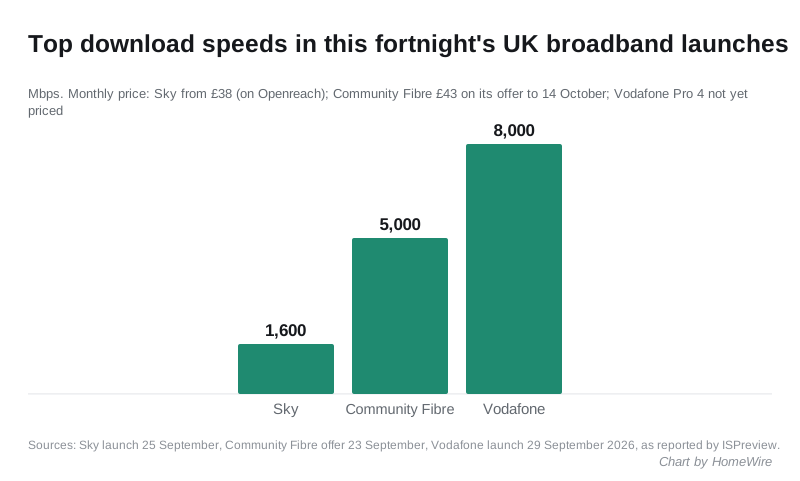
On 25 September Sky added a 1.6Gbps (1,600Mbps) package for homes on Openreach’s full fibre network. Until now Sky’s fastest plan on Openreach was 900Mbps; the multi-gigabit tiers of 2.5Gbps and 5Gbps were only available where Sky uses CityFibre. The new plan, “Full Fibre 1.6 Gbps”, starts at £38 a month on a 24-month contract and uses Openreach’s 1.8Gbps product, so upload is 120Mbps rather than the near-symmetric speeds some full fibre networks offer.
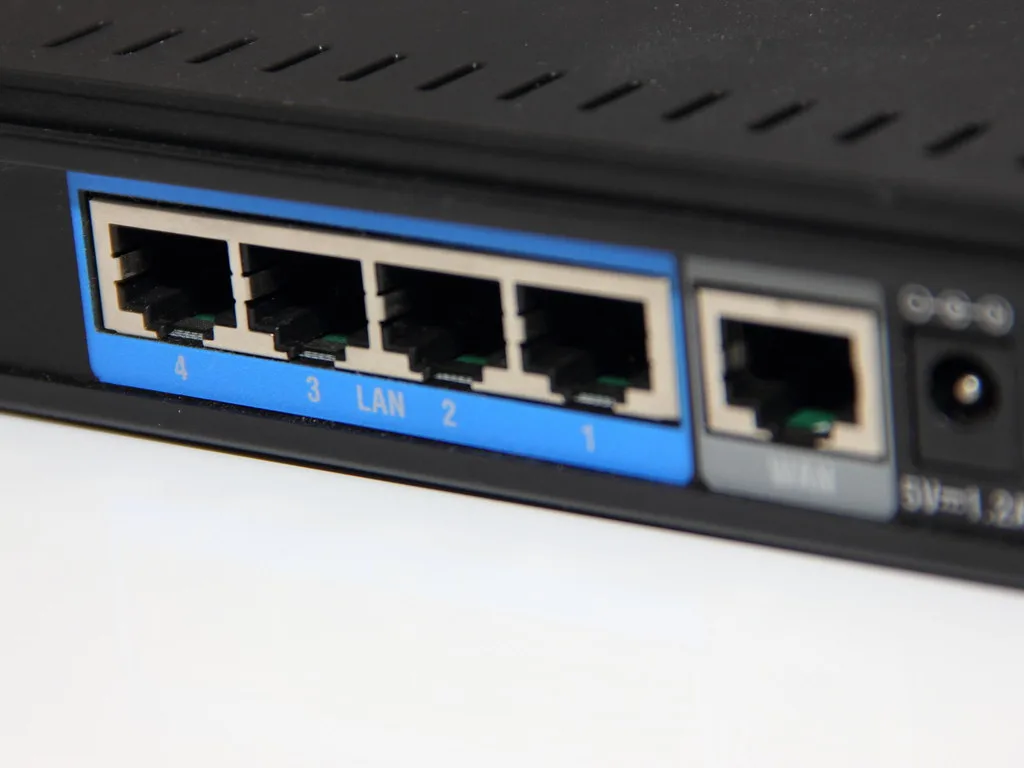
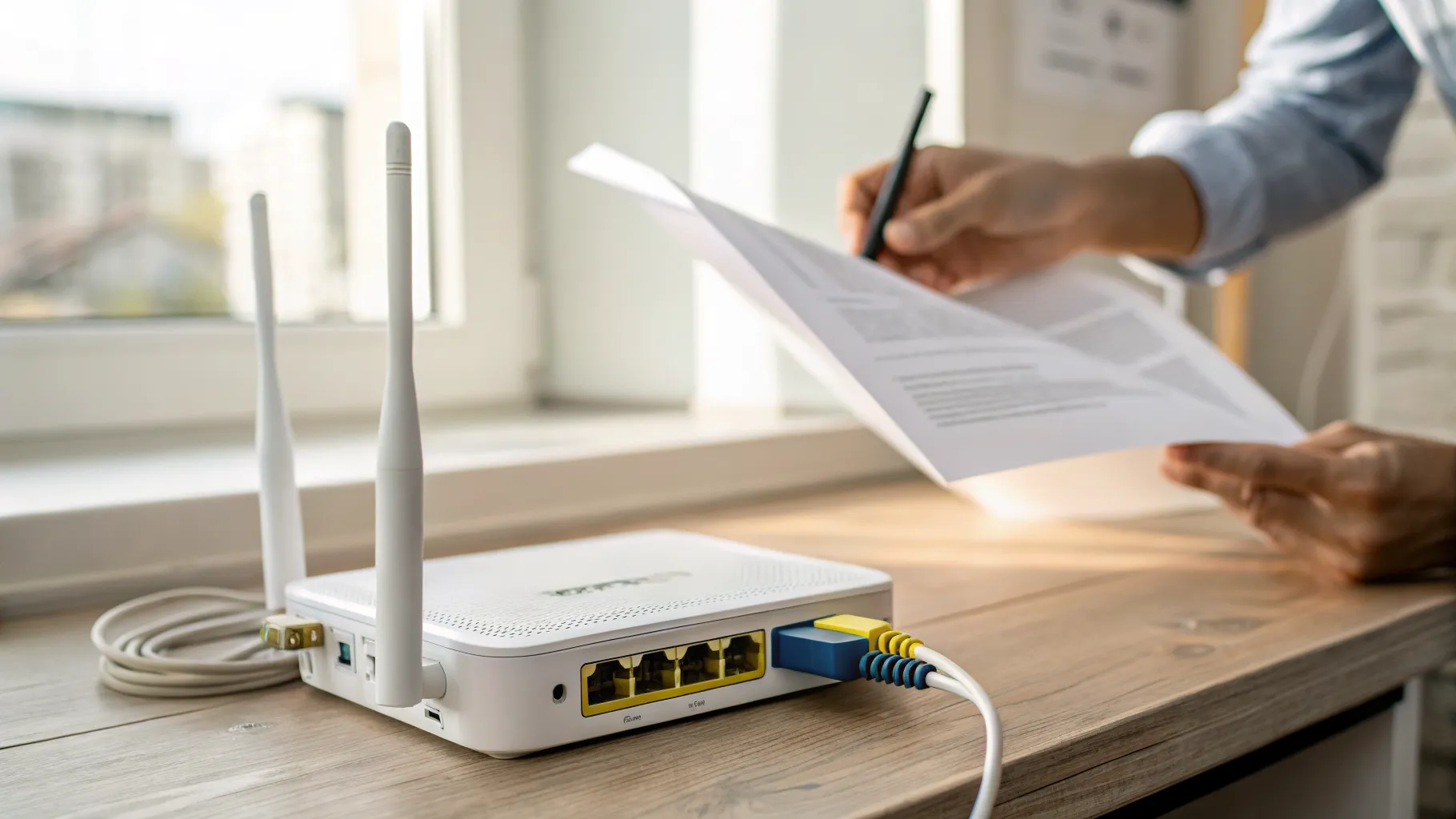
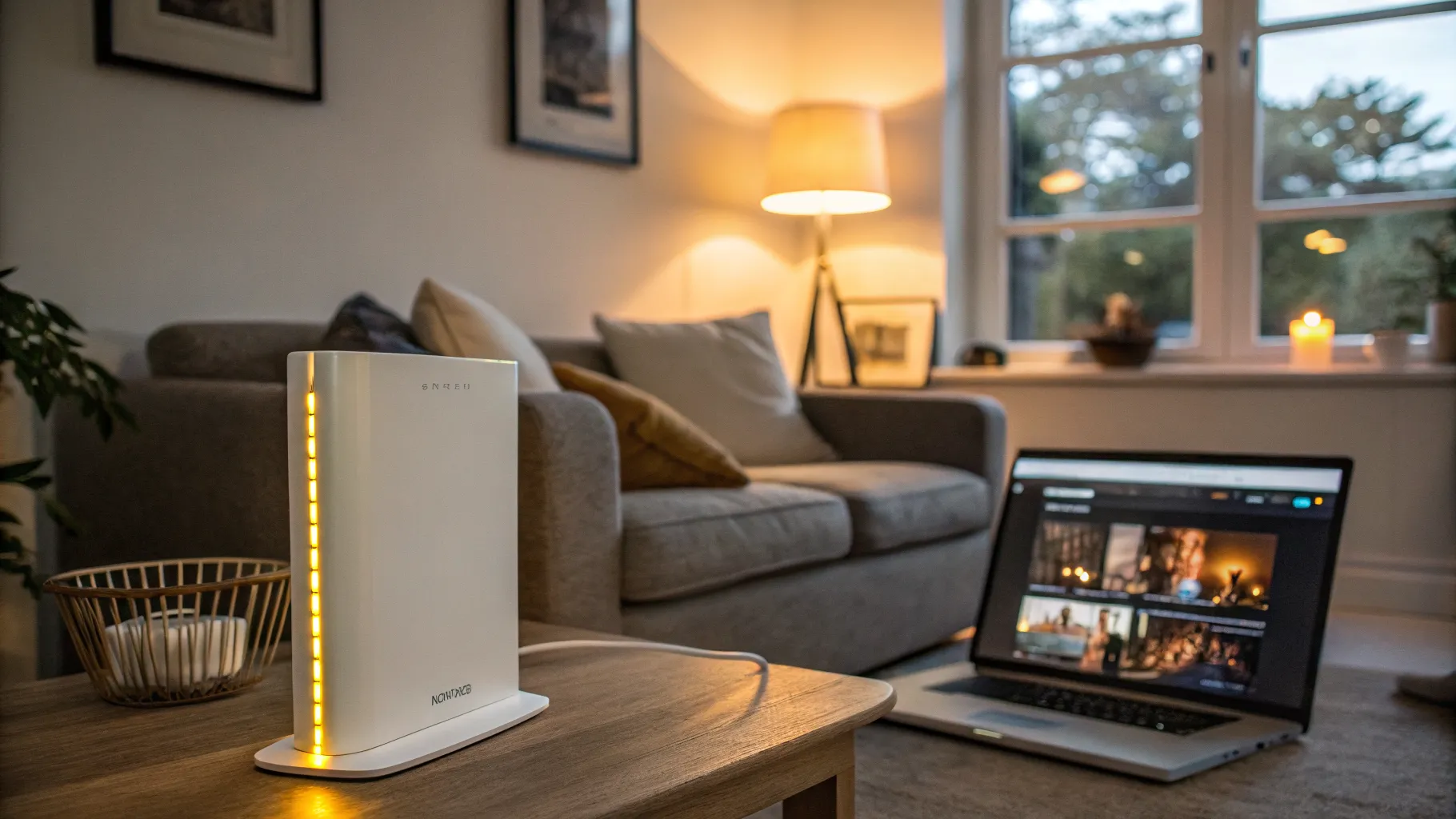
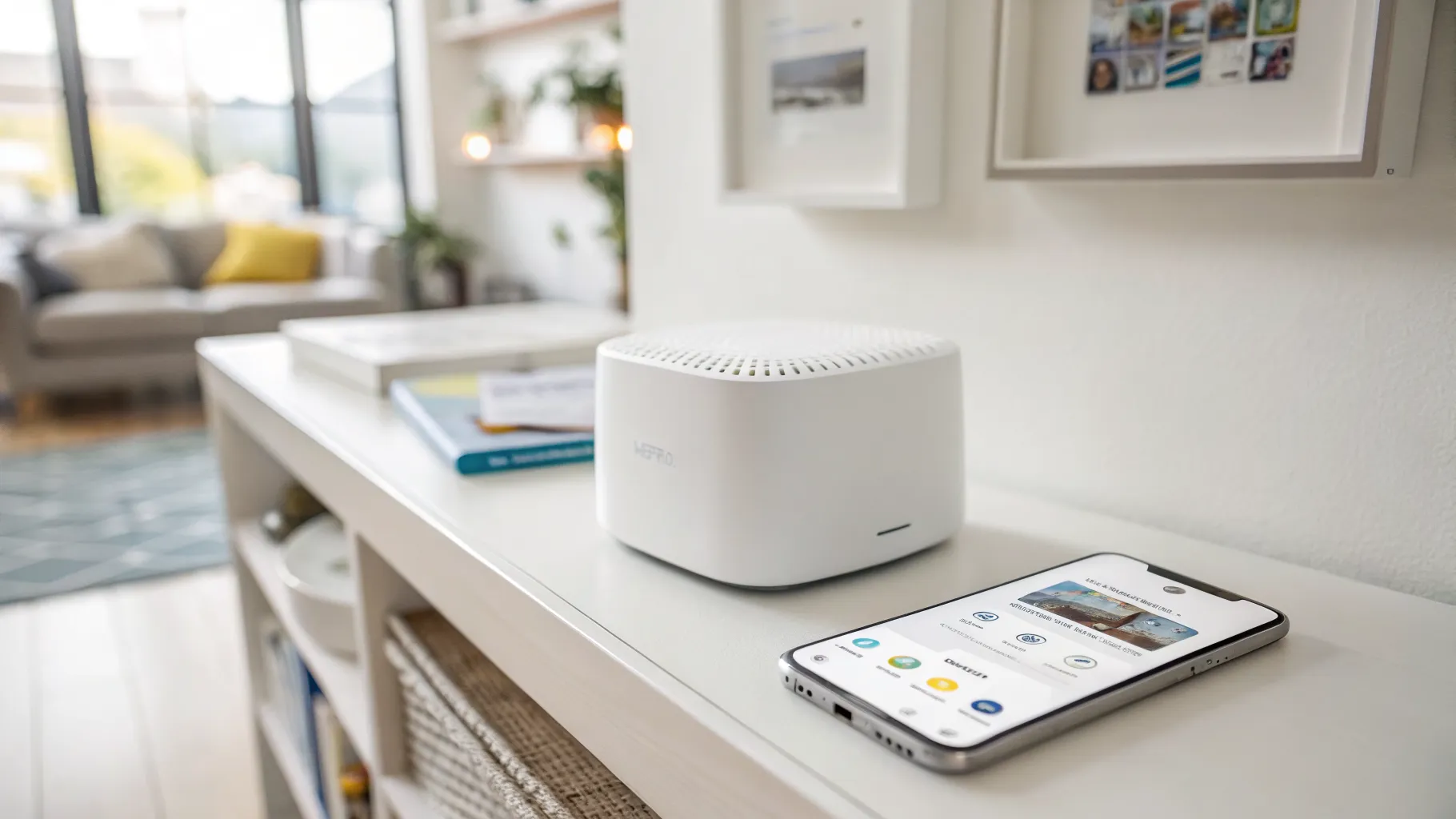
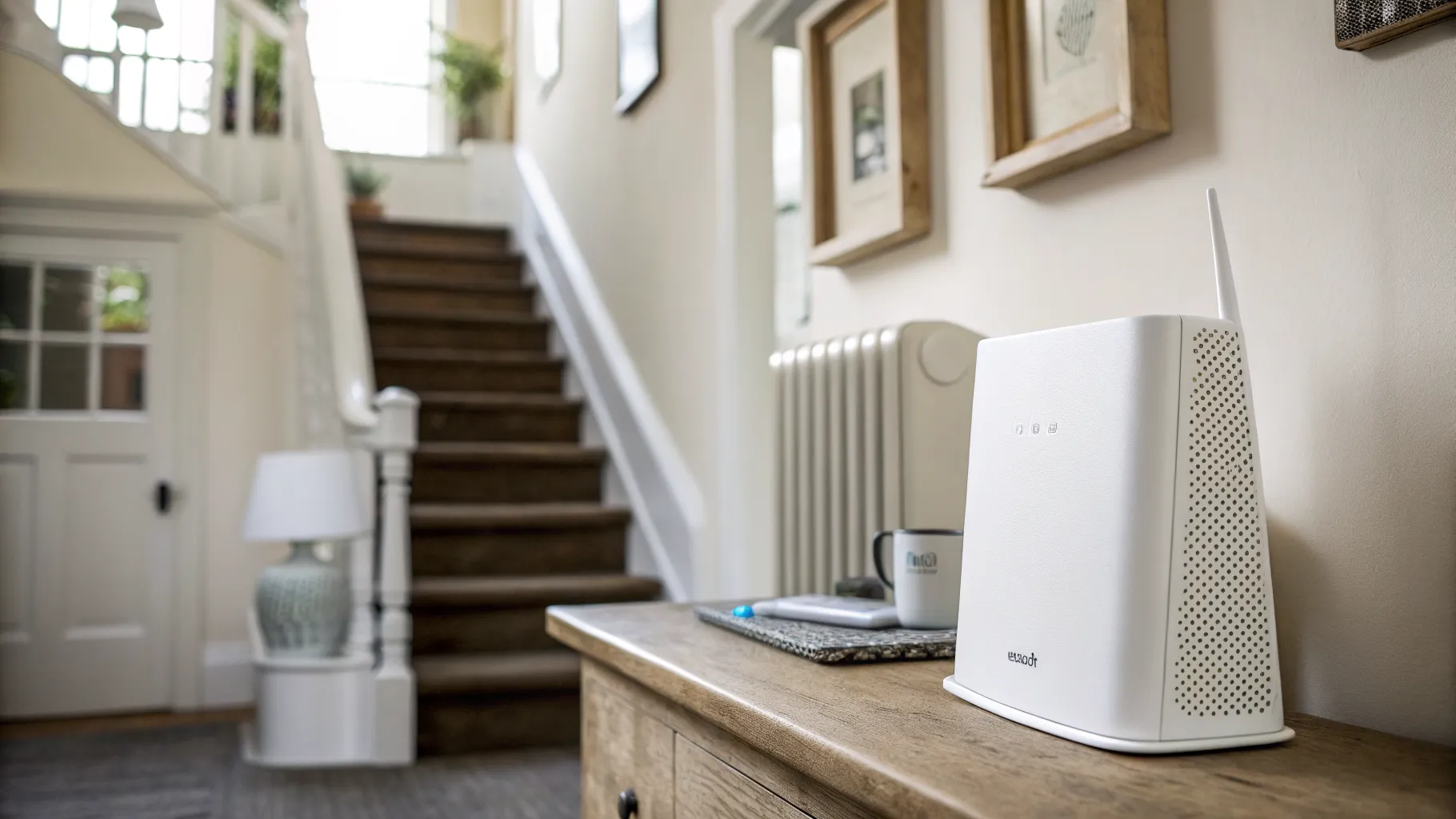
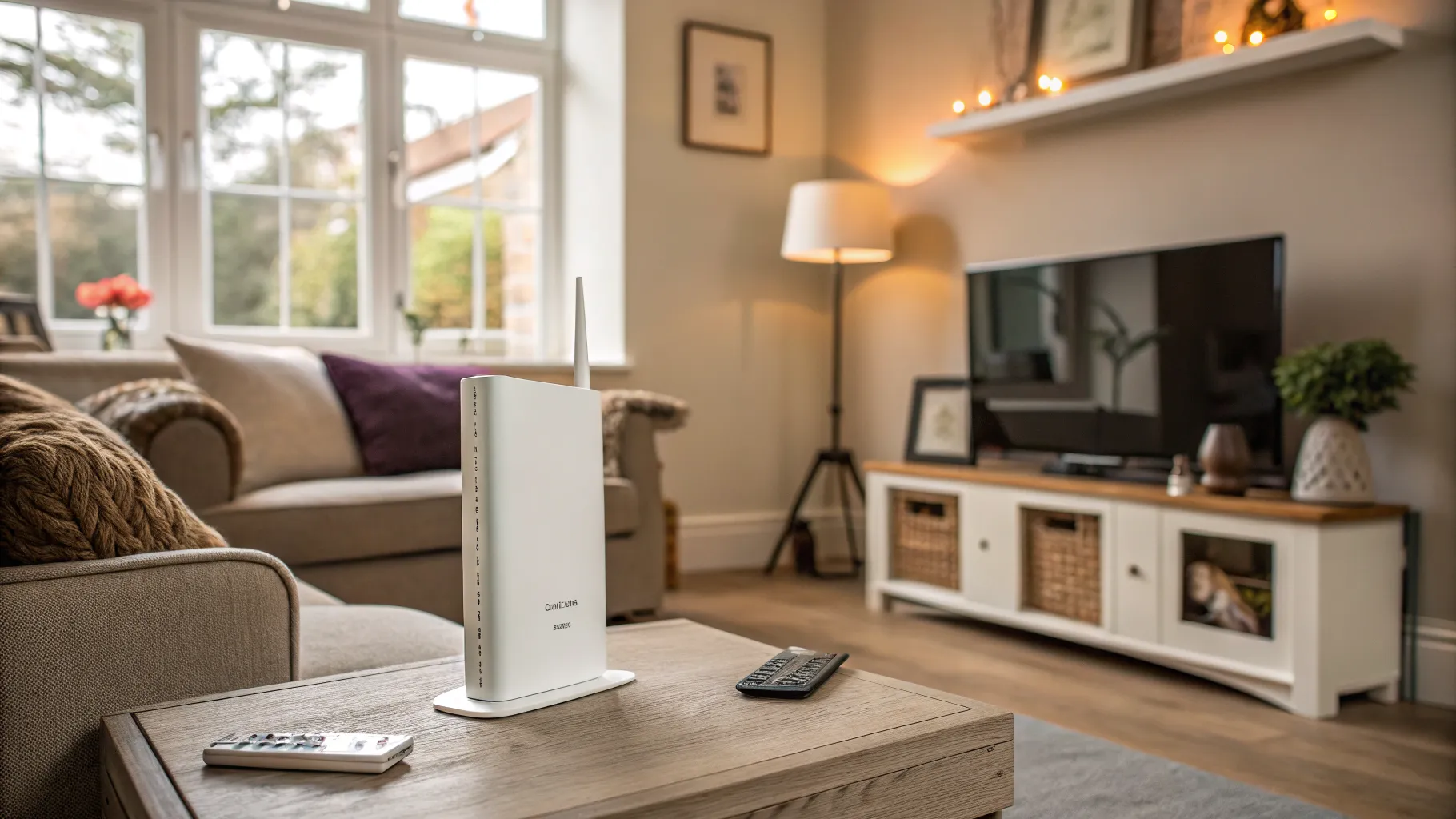
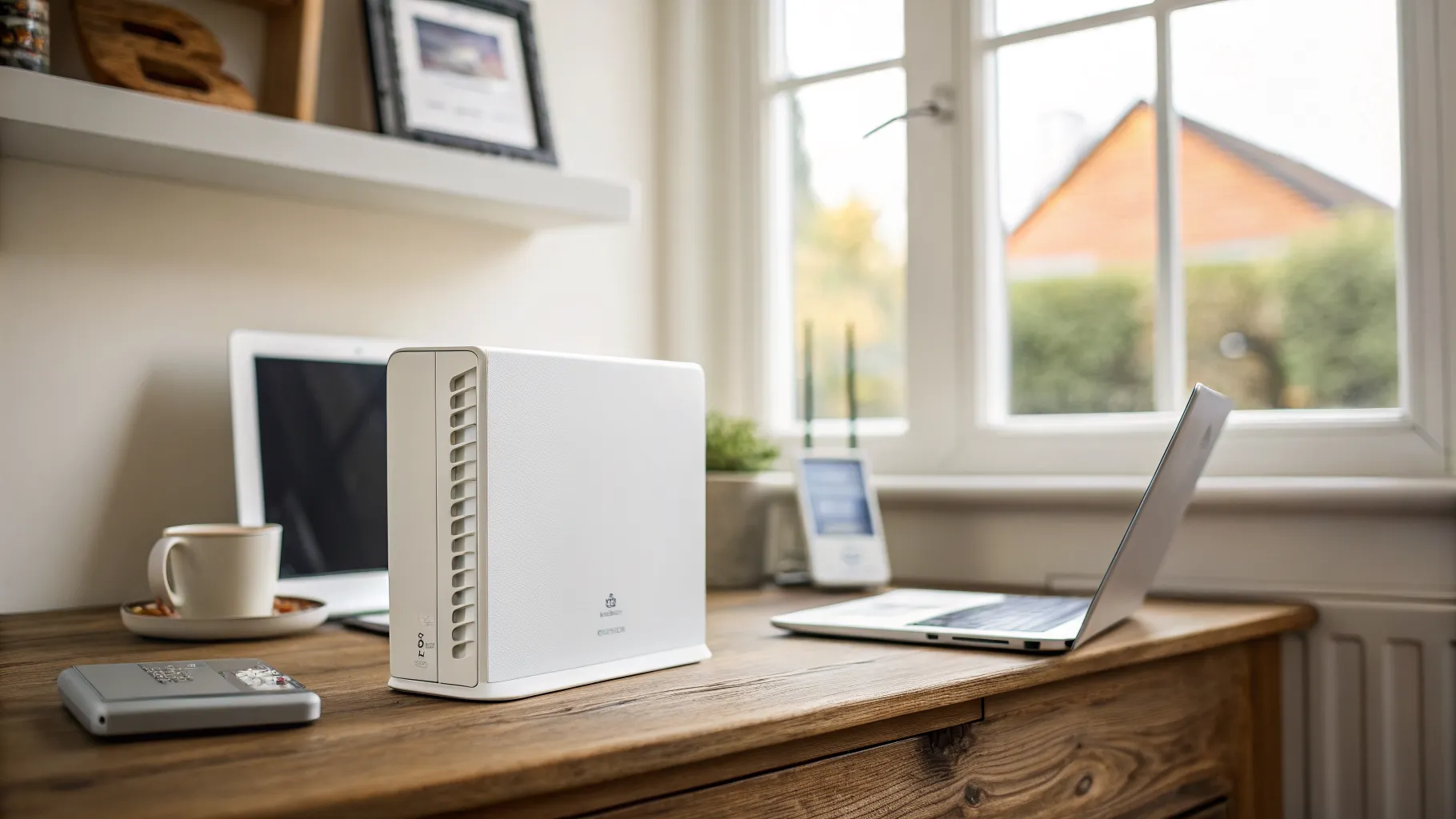
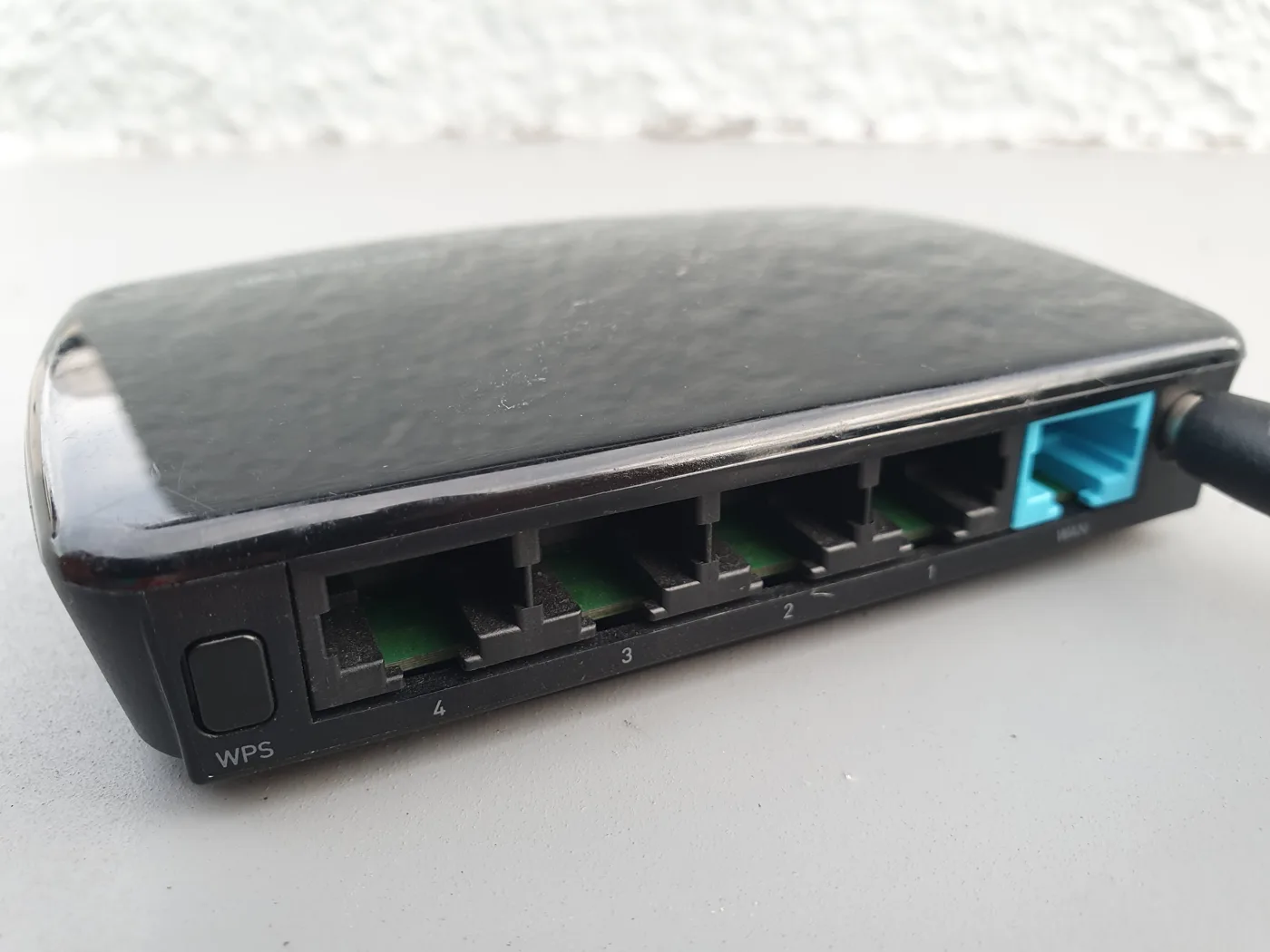
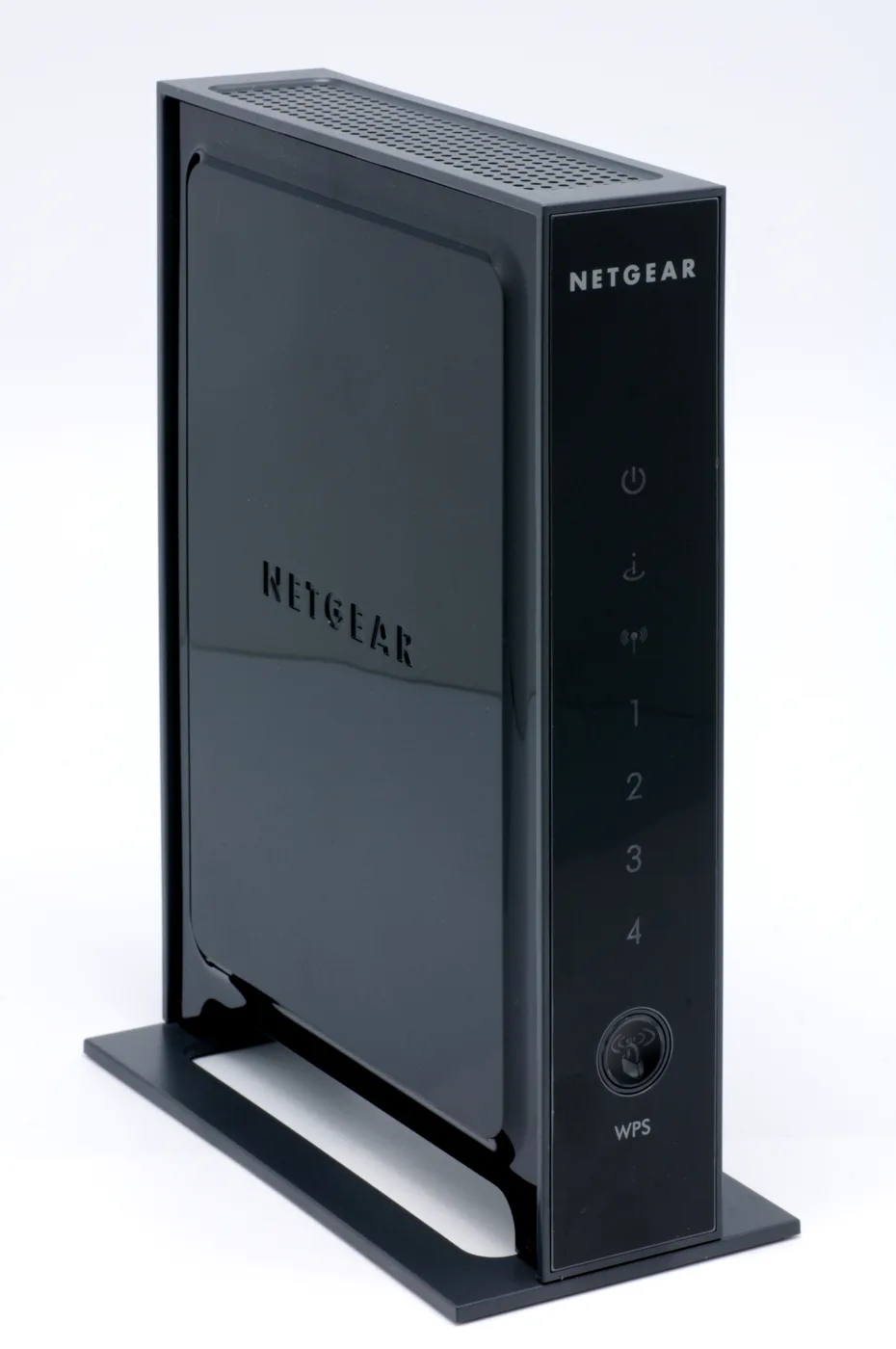
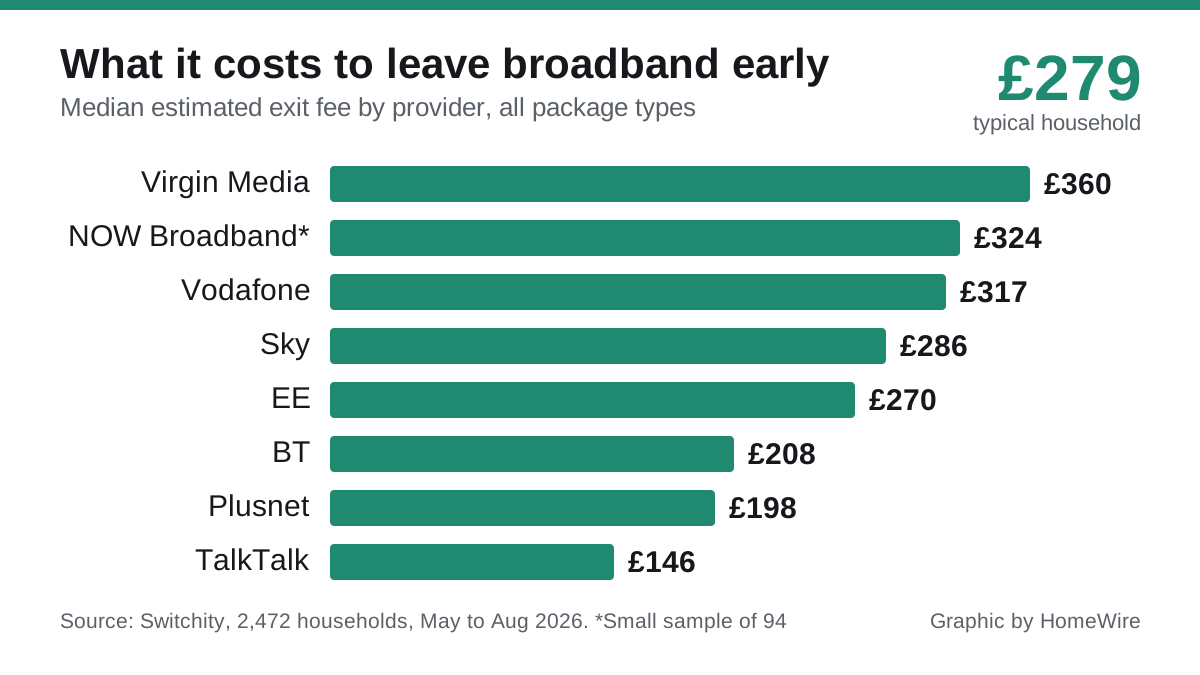
It comes with Sky’s Gigafast+ Hub, a tri-band Wi-Fi 7 router with one 10Gbps LAN port and three 1Gbps ports. At launch it is for new customers only; existing Sky Broadband customers can upgrade “at a later date”. Sky offers up to £200 towards early exit fees from your old provider. ISPreview noted on launch day that the plan was not yet showing on Sky’s own availability checker, and Sky later said it was rolling out.
Is it worth it? Only if you have the wiring to use it. A single Wi-Fi device rarely gets near 1Gbps, so the gain shows up on a wired PC or across a busy house. Our guide to what broadband speed you need works through the sums. Reported by ISPreview on 25 September.
Vodafone prices a 5G social tariff at £11 a month and trials 8Gbps
On 29 September Vodafone announced 5G Broadband Essentials, a social tariff for people on government benefits or identified as financially vulnerable, from £11 a month with no upfront cost. It says that makes it the only UK provider offering 5G home broadband on a social tariff. It has also added a 12-month 5G broadband plan, and students get £2 off, with plans from £20 a month. The launch date is “soon” rather than a fixed day.
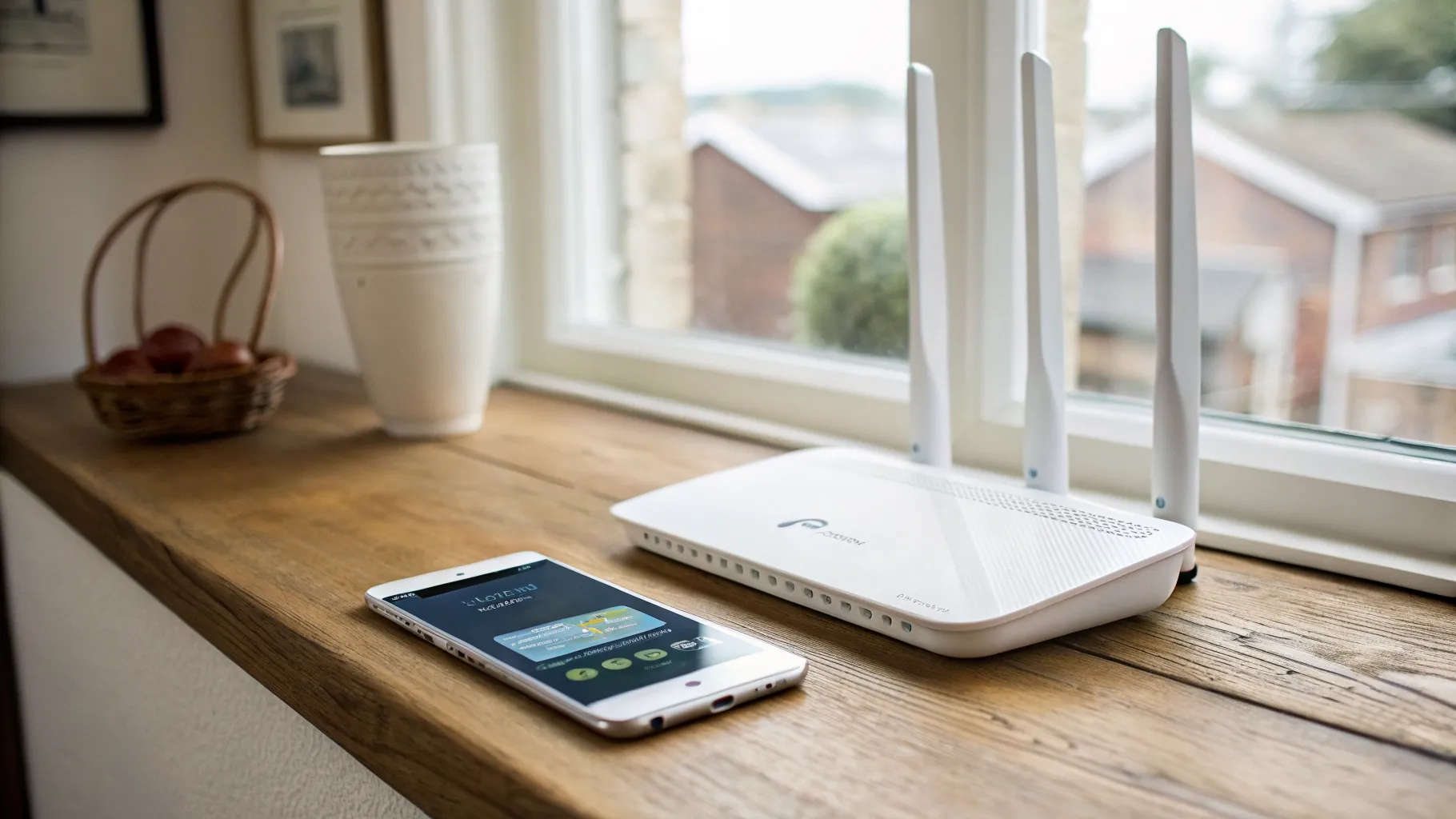
The same announcement covered Pro 4, an 8Gbps full fibre plan on CityFibre’s network with a new Ultra Hub 7+ Wi-Fi 7 router. It is still in trial, is due “later this year” and has no price yet; Vodafone says trial customers have seen real 8Gbps downloads and uploads of up to 6.5Gbps.
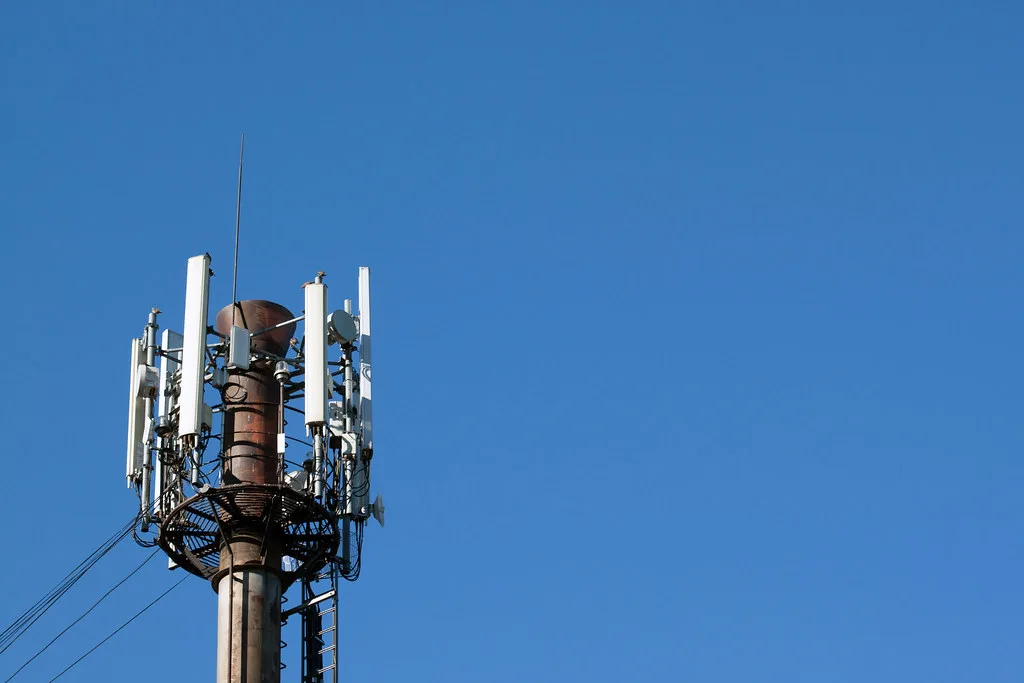
The social tariff is the more useful news. For a household that qualifies and cannot get full fibre, or rents and does not want an installation, 5G broadband at £11 is worth a look; Vodafone calls it the most affordable social broadband option on the market. Check the signal at your address first: our 5G home broadband guide covers what to look for, and our Vodafone broadband review covers the wider range. Reported by ISPreview on 29 September.
Community Fibre doubles speeds for new customers until 14 October
Community Fibre, the London and South East full fibre provider, is doubling the speed of its 24-month packages at the same price for orders placed by 11:59pm on 14 October 2026. Plans now start at £15 a month for 150Mbps (normally 75Mbps) and go up to £43 a month for 5Gbps (normally 2.5Gbps). The Essential 35Mbps social tariff and its new 8Gbps plan are not included.
Every package has symmetric speeds, free installation and a router. The catch is the one ISPreview points out: Community Fibre raises prices mid-contract, by £3 each April and £4 at the end of the contract, so the £15 is the starting price, not the price for two years. If you are in its area and your current deal is ending, it is a strong offer; if you are still in contract, add your exit fee before you compare. Reported by ISPreview on 23 September.
Ofcom: 8% of online adults have used AI to deal with their broadband or phone
Ofcom updated its assessment of AI in telecoms customer service on 25 September. Its research found 48% of UK adult internet users had used generative AI tools such as ChatGPT or Gemini in the past 12 months, and 8% had used an AI service for something to do with their broadband, mobile or phone. That 8% breaks down as 6% using AI to fix a problem, 3% to compare deals and 2% to make a complaint.
Ofcom’s headline is that people still value human contact, and its existing rules apply whether a provider answers with a person or a bot. If an AI chatbot cannot fix your fault, ask for a human and keep a note of the date: your complaint rights do not change. For problems you can fix yourself, start with our guide to Wi-Fi that is connected but has no internet. The research is on Ofcom’s website.