Landline Switch-Off: 1 Million UK Lines Still Analogue
About 1 million UK phone lines were still on the old analogue network at the end of October, with the switch-off fixed for 31 January 2027, and Openreach has now explained what happens to the broadband on those lines. This week also brought a cheaper Starlink plan in some areas, much smaller renewal prices at Virgin Media, an EE installation delay that tests the automatic compensation rules, and Vodafone’s 8Gbps plans going on sale.
1 million lines left before the landline switch-off
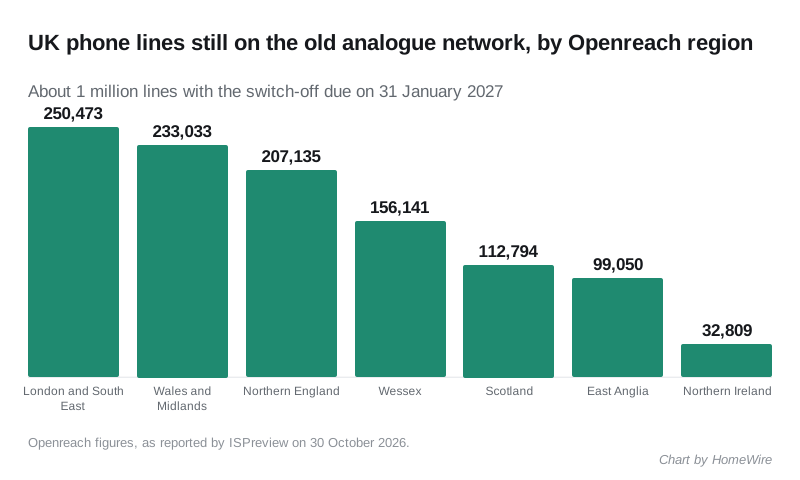
Openreach said on 30 October that about 1 million UK lines are still using the old copper phone service (PSTN), down from 1.5 million in July, including roughly 300,000 business premises. The switch-off date is 31 January 2027, and ISPreview notes it will not be delayed again. By region, London and the South East has the most lines left at 250,473, then Wales and the Midlands at 233,033, Northern England at 207,135, Wessex at 156,141, Scotland at 112,794, East Anglia at 99,050 and Northern Ireland at 32,809. Openreach’s wholesale rental prices for these old lines reached double their 2025 level on 1 October, with further rises due from February 2027. Reported by ISPreview.
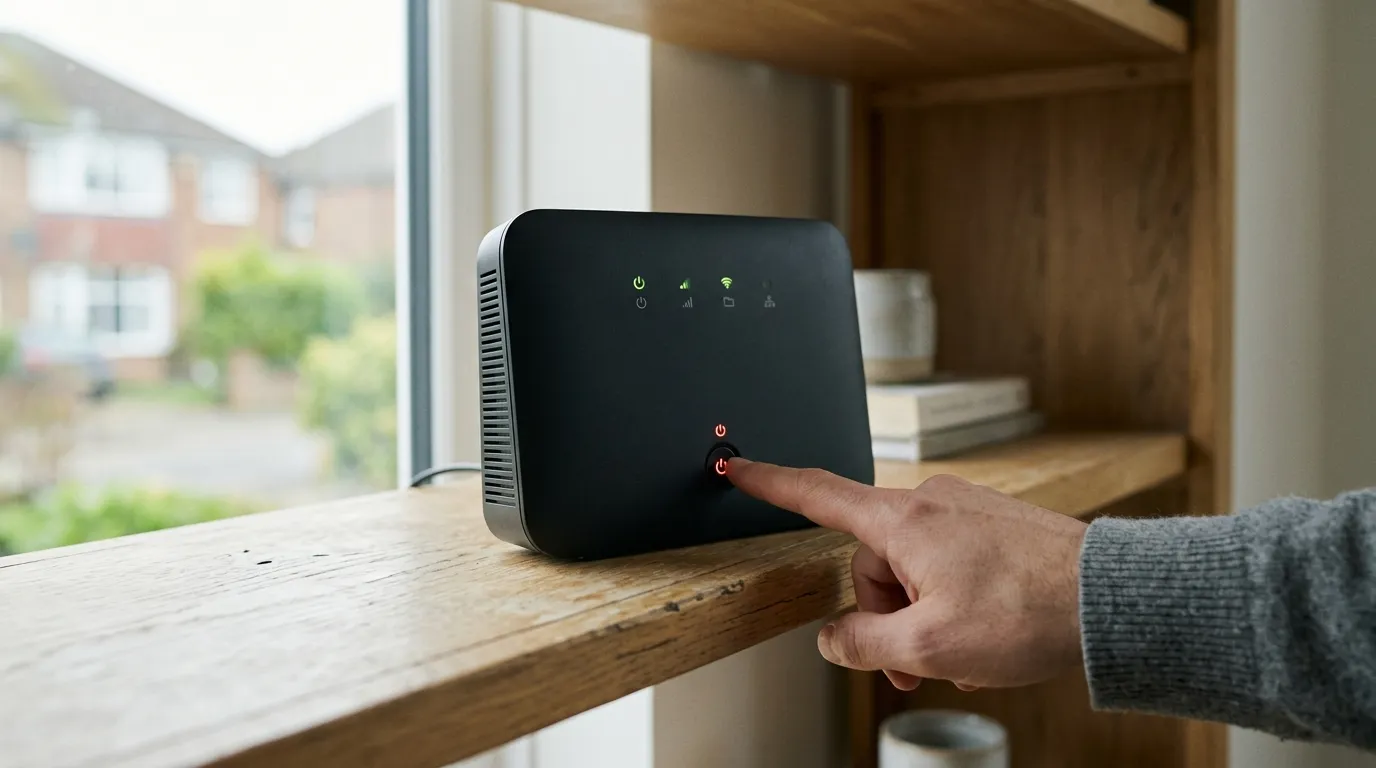
Lines that have not moved by the deadline will not simply go dead. They will be put on a temporary “Emergency Voice Access” service, which keeps calls working with fewer features at a higher price. The bigger question for anyone reading this is the broadband. On 5 November Openreach published more detail: older ADSL and FTTC broadband bundled with an analogue phone line depends on that line, and under the original plans it would have stopped working when the voice service moved. Openreach is now building a way to keep the broadband running on its own, but says continuity “cannot be guaranteed in every case”, and told ISPreview these moves probably will not start until around mid-April 2027. Reported by ISPreview.
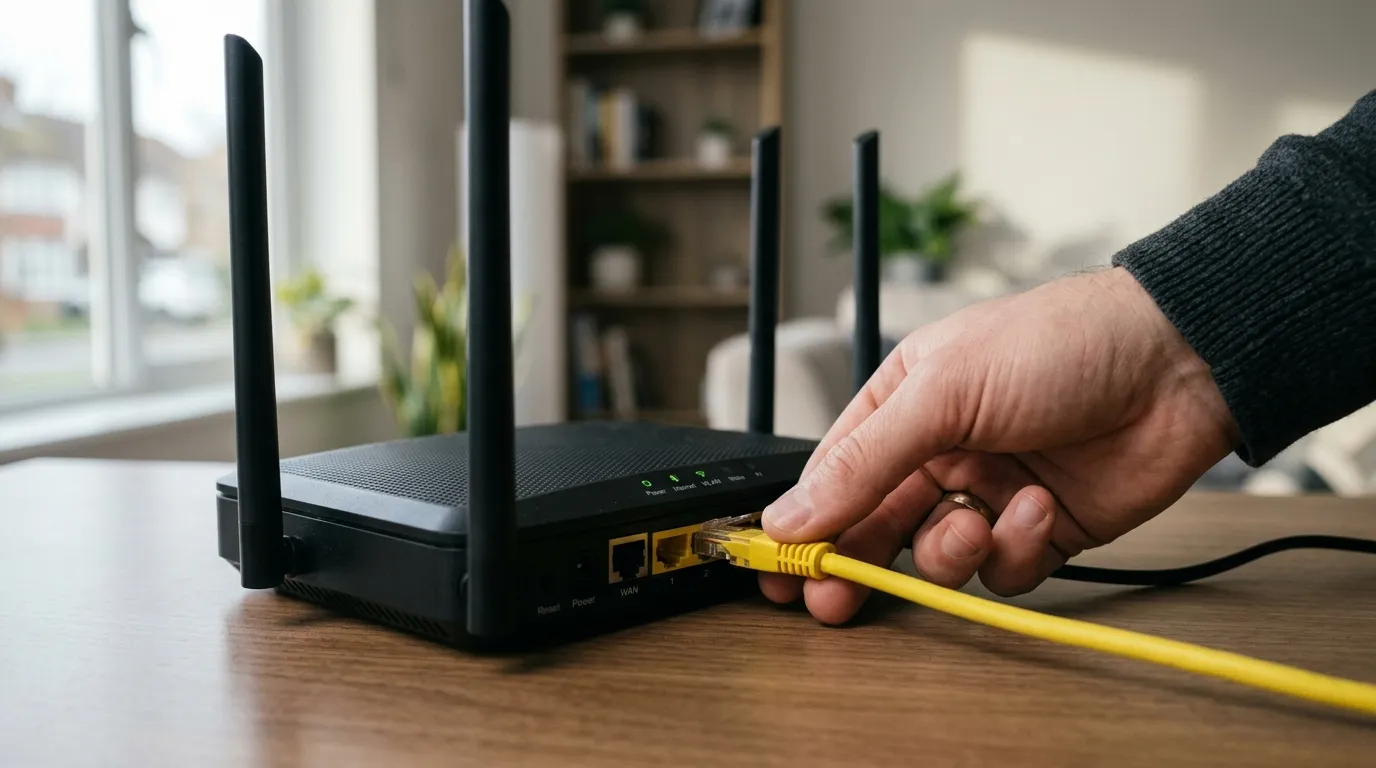
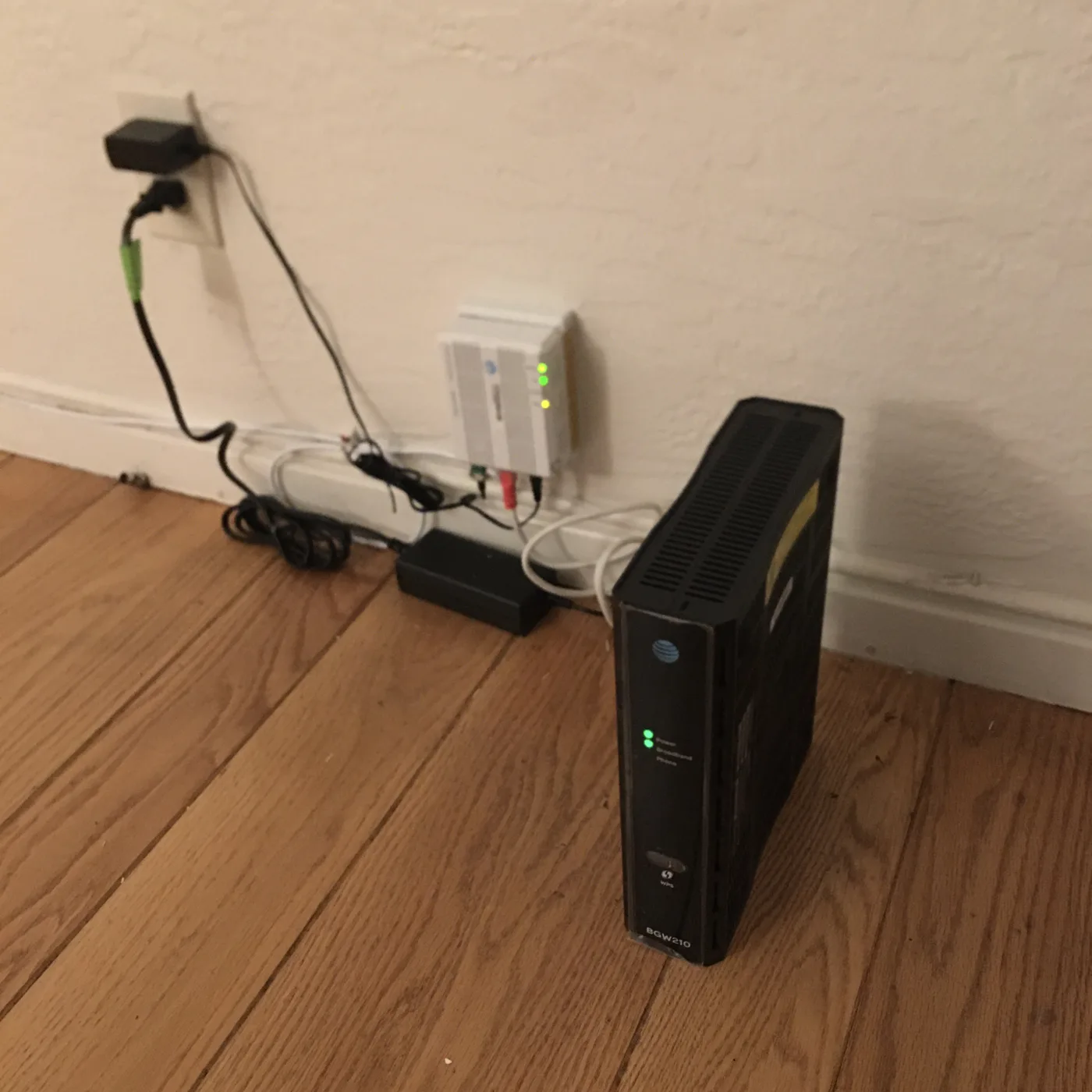
The safe course is not to wait. If your broadband still comes with a phone line and your provider has not moved you to a digital phone or a broadband-only line, call it and ask. You do not need full fibre to switch: a broadband-only version of copper broadband (SOGEA) is sold by many providers. If anyone at home relies on a care alarm, tell the provider before the move. Our guides to broadband without a phone line and keeping your old phone with a VoIP adapter explain the options.
Starlink’s 100Mbps plan now costs £32 in some areas
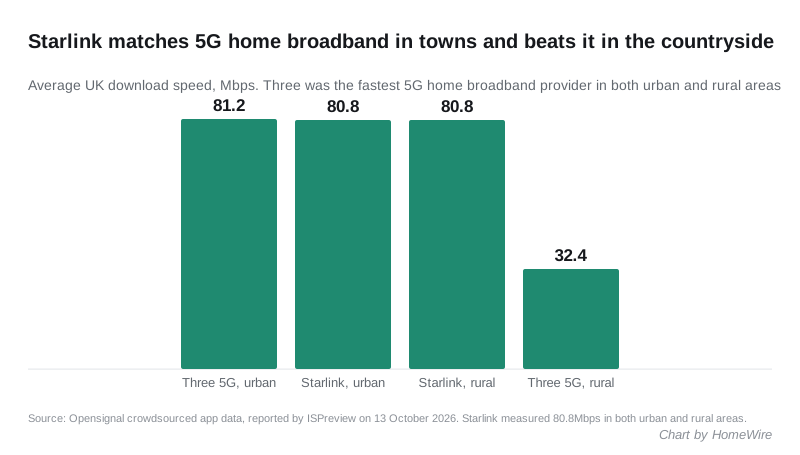
ISPreview reported on 30 October that Starlink’s Residential 100Mbps plan, which was £40 a month across the UK, now shows at £32 a month in some areas, £36 in others and still £40 in London, plus a £19 shipping fee. In an update on 31 October it said this looks like Starlink bringing dynamic pricing to the UK, tying the price for new customers to local network capacity and demand, with readers seeing prices up to 20% above or below the £40 base. Some business plans are being renamed and repriced from 1 December.
If you are in a rural area weighing satellite against 5G home broadband or a 4G router, check the Starlink price at your own address rather than relying on a figure you saw elsewhere, and expect it to change: ISPreview notes Starlink adjusts its prices often. Reported by ISPreview.
Virgin Media cuts its renewal prices
Virgin Media has confirmed to ISPreview, which reported it on 2 November, that it has been cutting the price of the renewal deals it offers customers at the end of their minimum term, and wants to remove the need to phone up to haggle. ISPreview’s readers had noticed renewal offers falling sharply in the previous week or so. Virgin Media has a long record of large out-of-contract price rises, so this is a real change.
If your Virgin Media contract has ended or is about to, check the renewal offer in your account before doing anything else, and compare it with what a new provider would charge. If you still decide to leave, our guide to cancelling Virgin Media broadband covers the steps. Reported by ISPreview.
EE install delay tests the automatic compensation rules
Ofcom’s voluntary automatic compensation scheme pays £6.46 for each day a new service starts late, if the provider misses the start date it promised. ISPreview reported on 3 November the case of an EE customer who ordered full fibre on 25 September and was given an installation date of 6 October. When he rang on 5 October to check, he was told the order had not been processed; it was placed again and installed on 13 October. EE declined compensation, saying the first email was pre-contract information with a provisional date and no order had been completed.
Ofcom told ISPreview that compensation is payable where a provider has confirmed a start date in writing and misses it, and that whether that applies depends on what was confirmed. The practical lessons: if your provider says it will confirm an installation date within a few days and does not, chase it straight away, keep every email, and if you are refused compensation and disagree, complain to the provider and then the ombudsman scheme it belongs to. Our guide to Wi-Fi that keeps dropping explains the separate compensation for faults. Reported by ISPreview.
Vodafone’s 8Gbps and Pro 4 plans go on sale
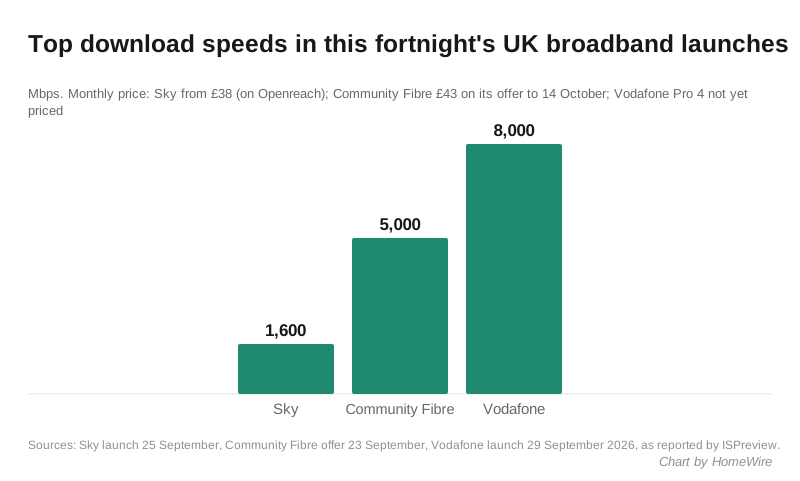
Vodafone put its Pro 4 broadband plans and 8Gbps speeds on general sale on 5 November, after a soft launch in September. The 8Gbps tier, with up to 6.5Gbps upload, runs on CityFibre’s full fibre network and costs from £58 a month on a 24-month term with the Ultra Hub 7+ router, a Wi-Fi 7 router that supports 6GHz, or £68 with the Pro 4 extras: up to three Wi-Fi boosters, 4G backup and security features. Pro 4 plans start at £32 a month. Vodafone adds £3.50 a month every April.
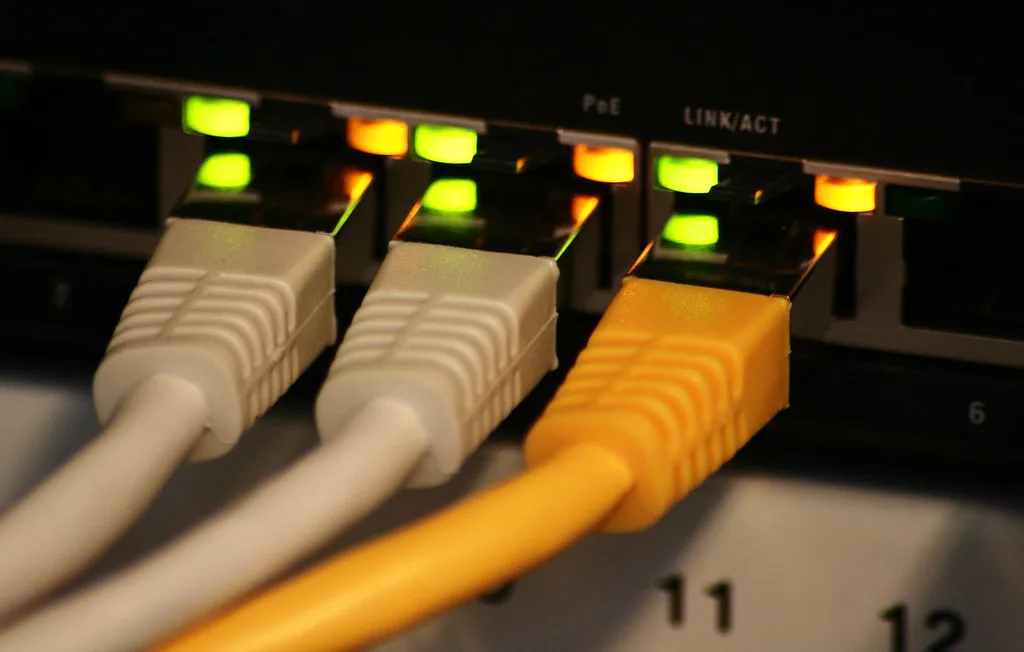
As with every multi-gigabit plan, no single Wi-Fi device will get near 8Gbps, so the gain comes from a busy household or wired kit on a multi-gig network switch. Our Vodafone broadband review covers its service record, and our guide to what broadband speed you need will tell you whether 8Gbps is worth paying for. Reported by ISPreview.
Also this week
Black Friday broadband offers have started early. Sky’s began on 5 November and include its 5Gbps plan, in CityFibre areas, at £35 a month and its 500Mbps plan at £26 a month, with most offers running until around 2 to 9 December. Reported by ISPreview.