Wi-Fi Connected But No Internet? How to Diagnose and Fix It
Few things are more baffling than a phone or laptop that says Wi-Fi connected but no internet. The little icon shows a full signal, yet nothing loads. The good news is that this exact symptom is a clue, not a dead end: it tells you the link between your device and your router is fine, and the problem lies somewhere between the router and the wider internet. This guide walks through the checks in the right order, from the thirty-second fixes to the ones that point at your provider, so you stop guessing and find the actual cause.
What “connected, no internet” actually means
When your device is connected to Wi-Fi but has no internet, it has successfully joined your router’s local network but cannot reach anything beyond it. That single fact narrows the fault to one of three places:
- Your device has a local networking glitch.
- Your router or hub has lost its connection to your provider, or its settings are wrong.
- Your broadband line or provider is down.
Working through them in that order, cheapest and quickest first, is how you solve this without wasted effort.
Start with the 60-second checks
Most cases are fixed here, so do these before anything more involved:
- Test a second device. If your laptop has no internet but your phone works on the same Wi-Fi, the problem is the laptop, not the network. If nothing works, it is the router or the line. This single test saves the most time.
- Toggle Wi-Fi off and on on the affected device, or switch flight mode on for ten seconds and off again. This forces it to rejoin and request a fresh address.
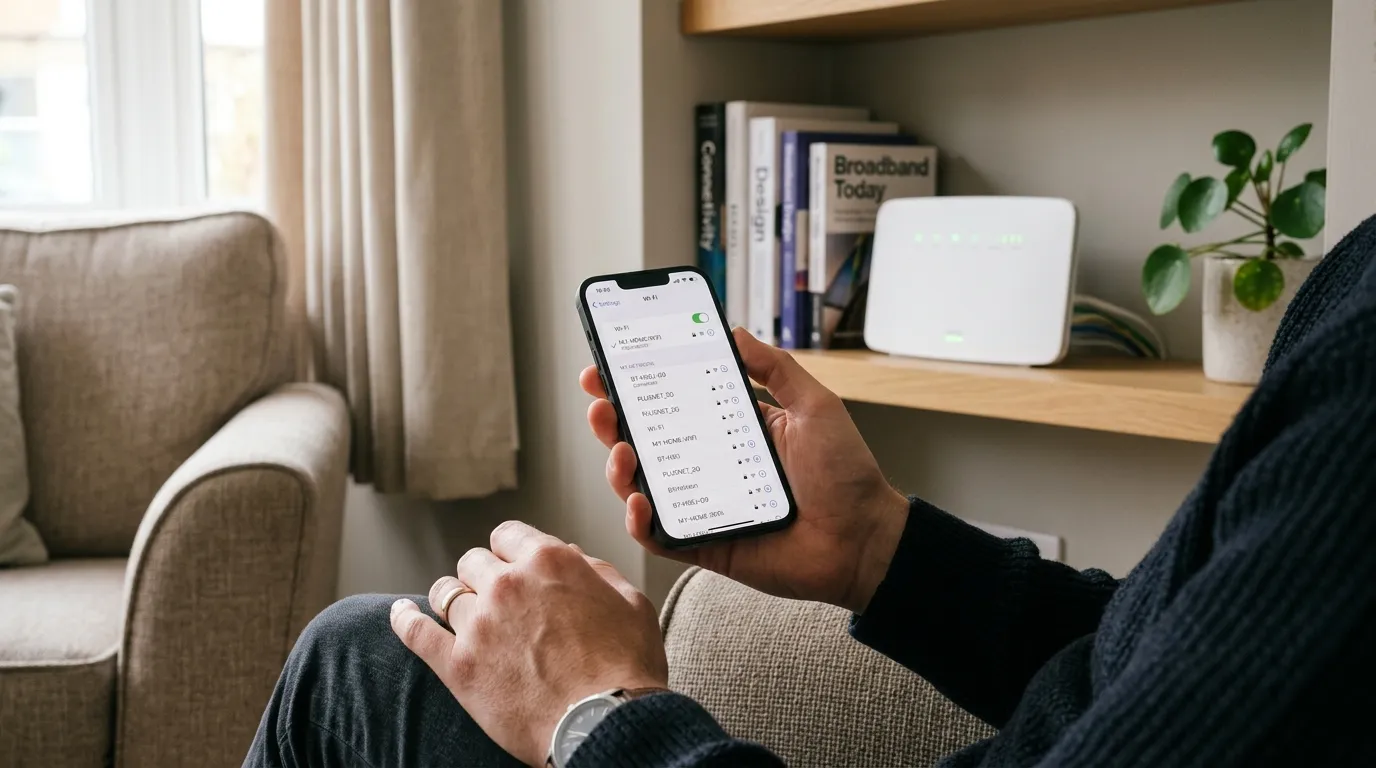
- Forget the network and reconnect. On the device, tell it to forget the Wi-Fi network, then reconnect with the password. This clears a stale or bad connection profile.
- Restart the device. An ordinary reboot clears a surprising number of temporary network faults.
If a second device also fails, skip ahead to the router section; the fault is not your device.
Restart the router properly
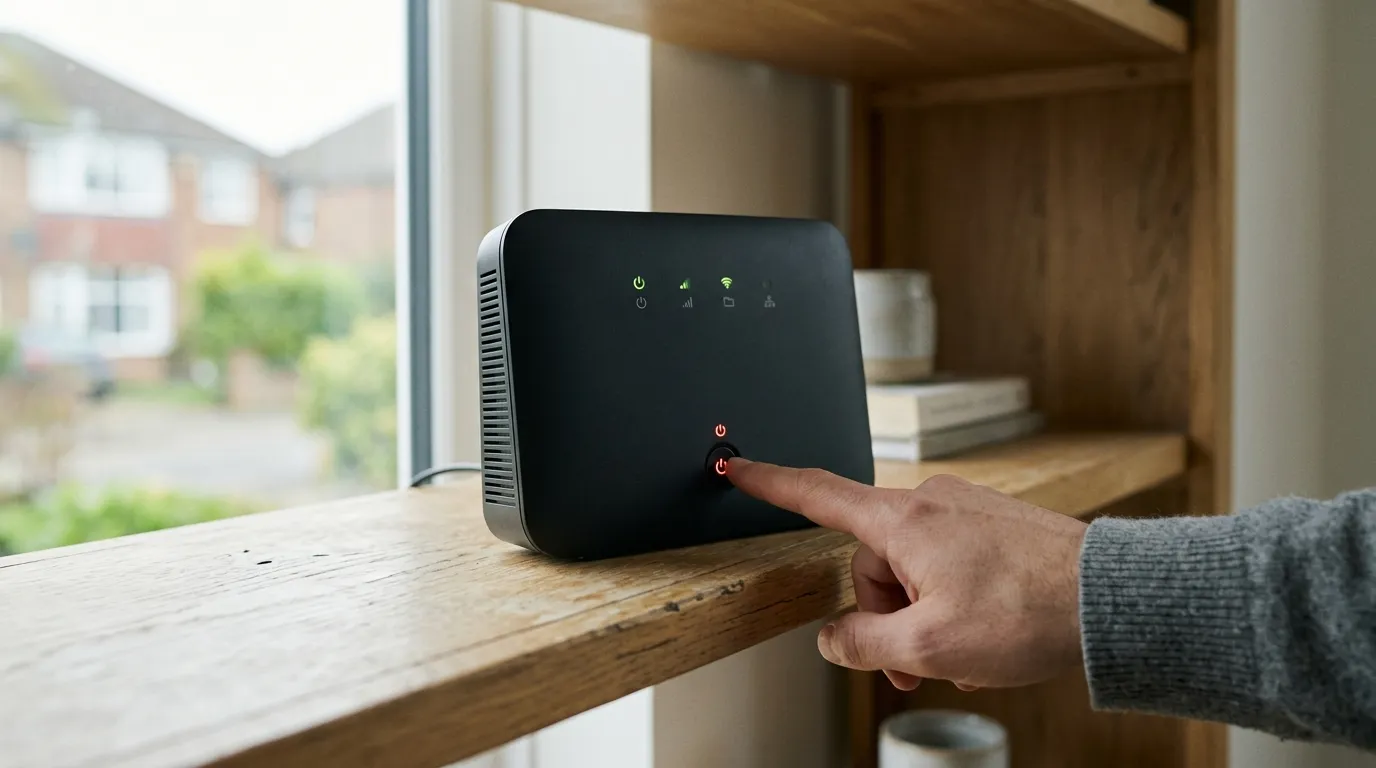
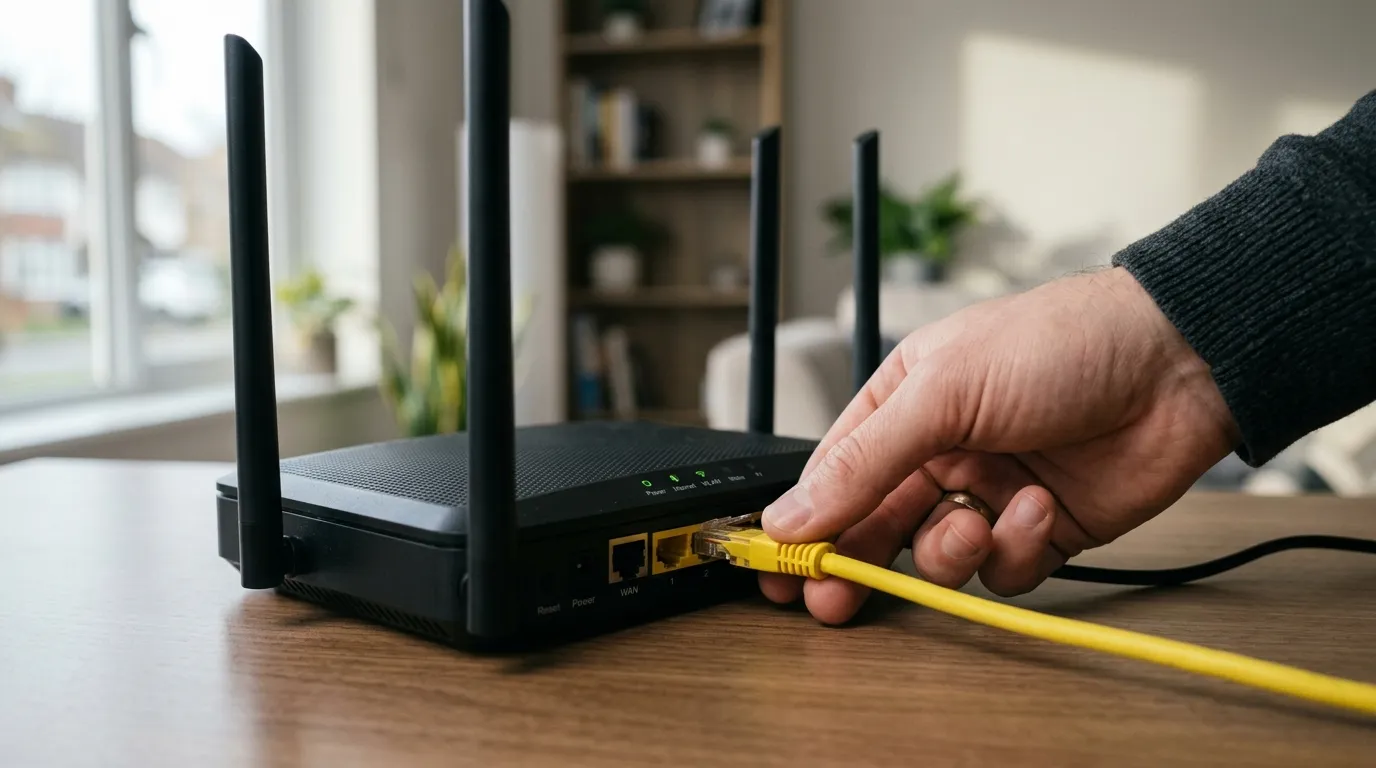
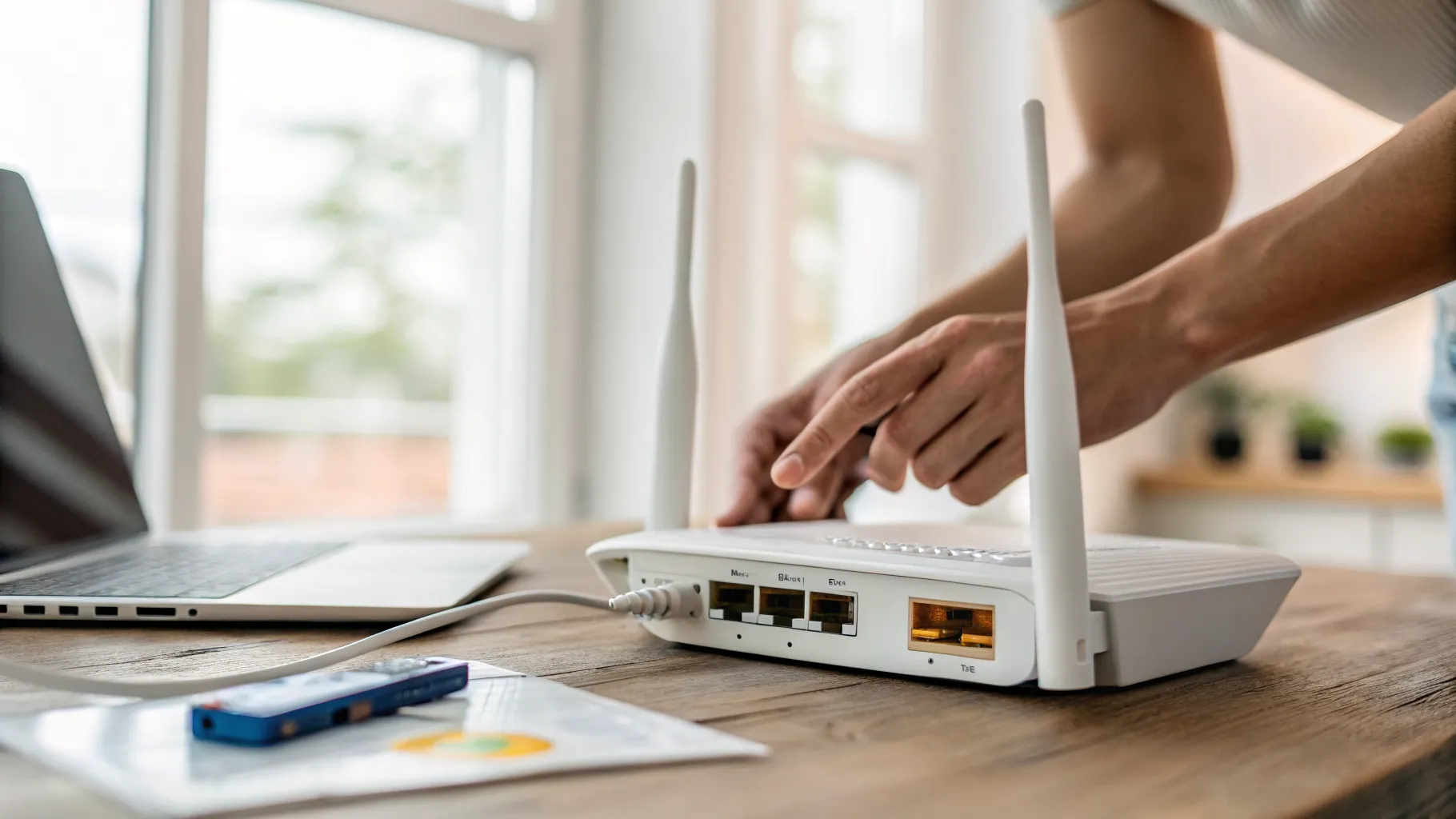
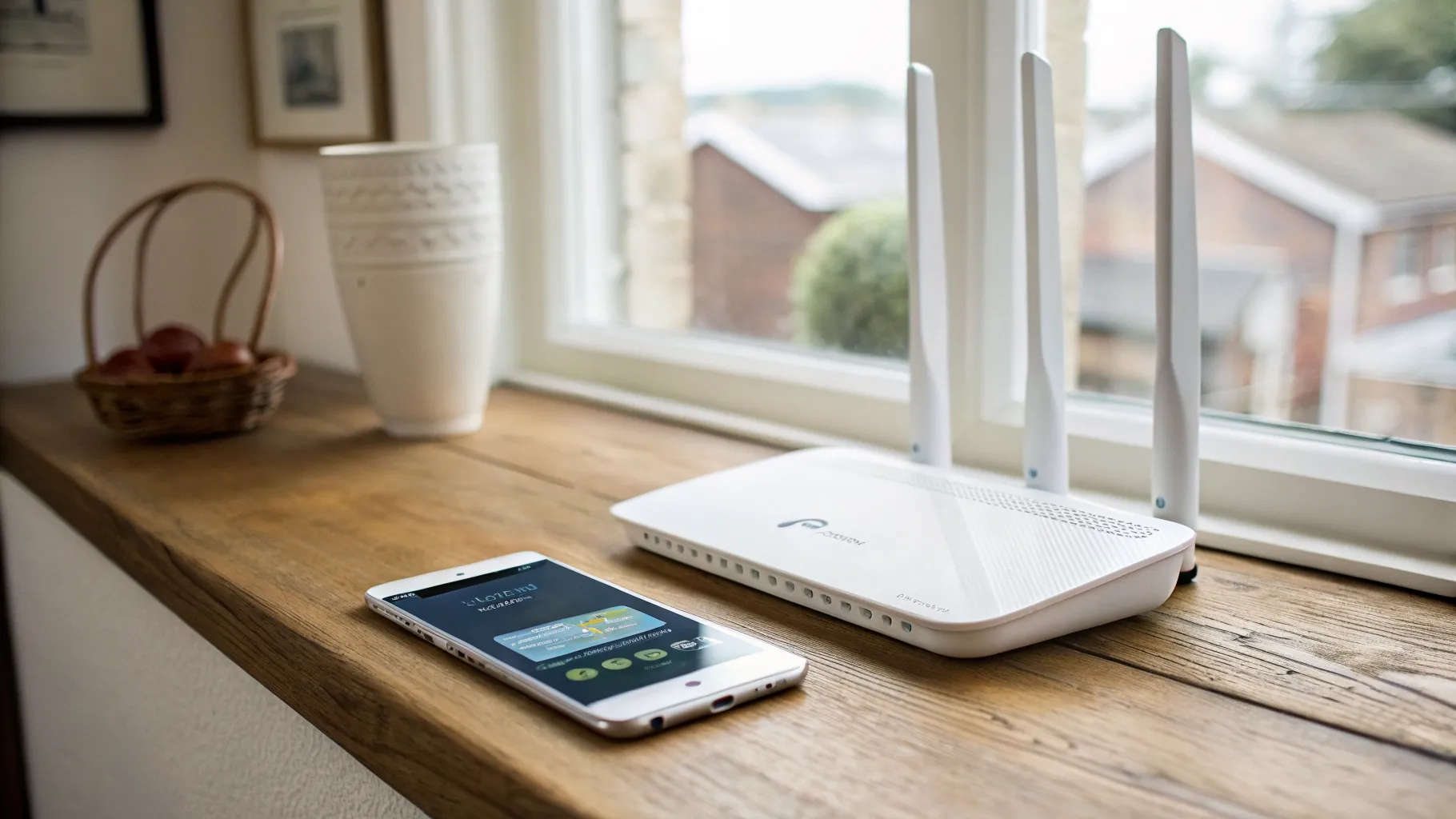
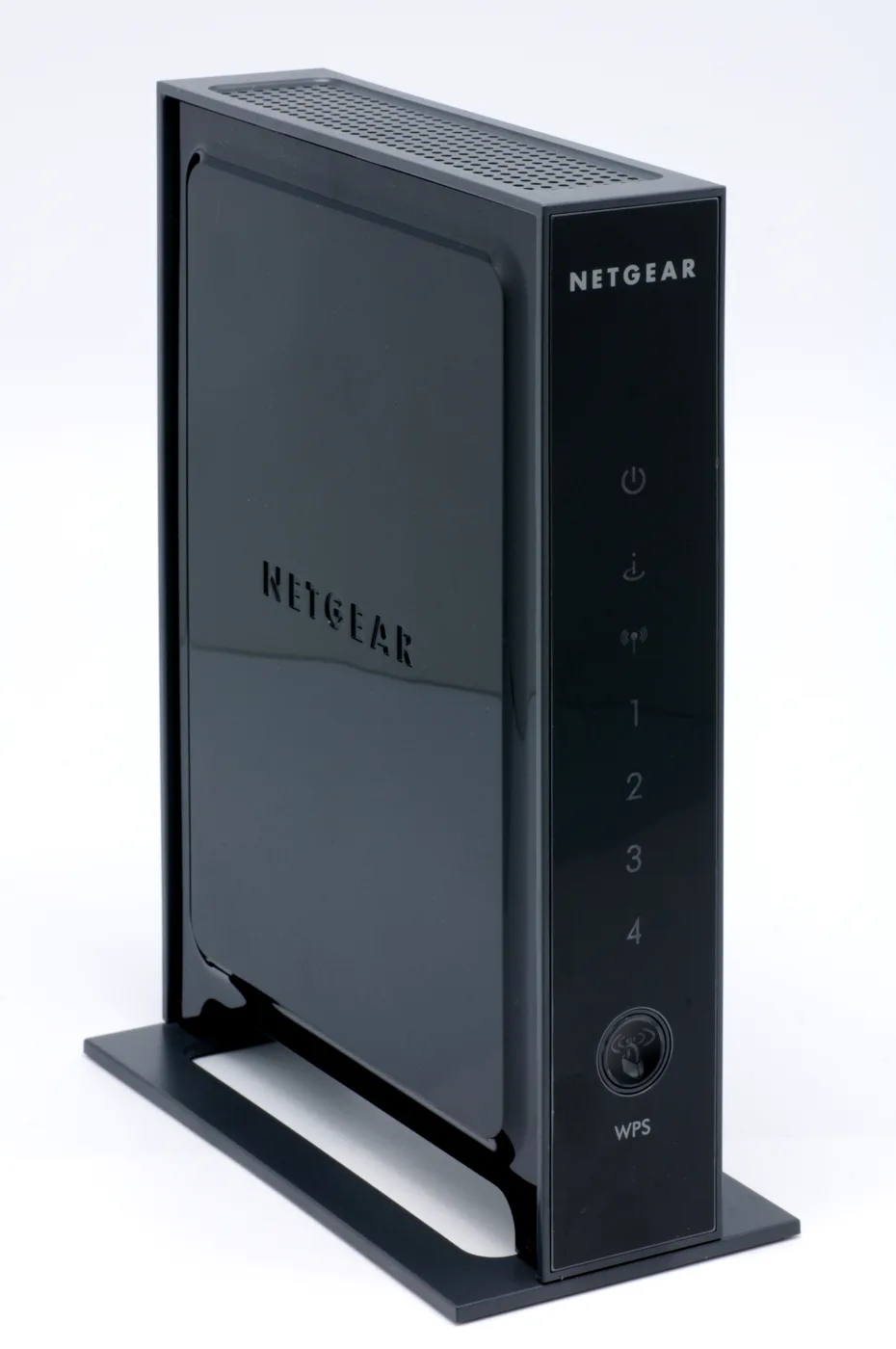
The classic fix, done properly, resolves a large share of “no internet” faults. It is not just turning it off and on:
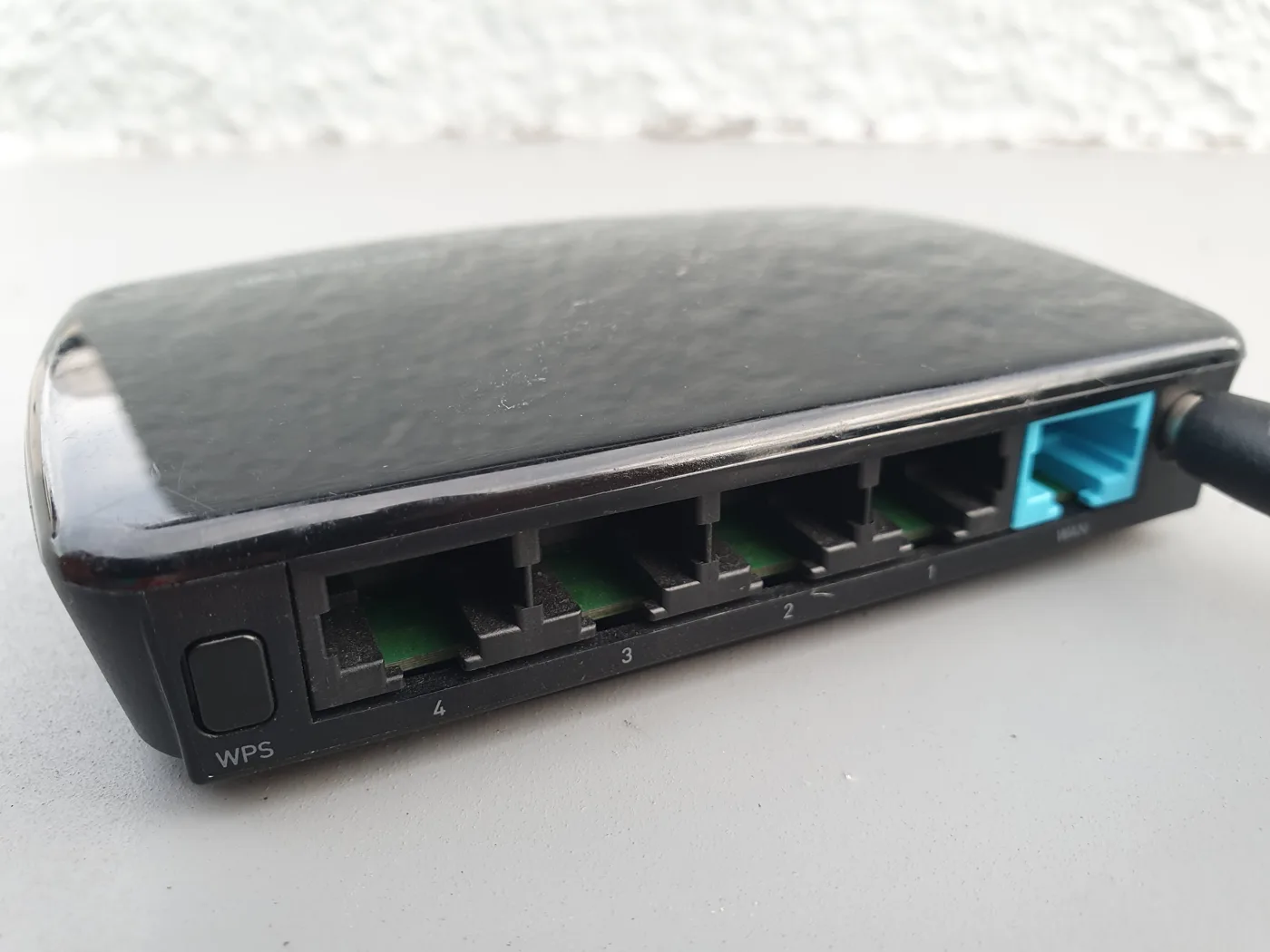
- Unplug the router (and a separate modem, if you have one) at the wall.
- Wait a full 30 seconds so it fully powers down and drops its old session.
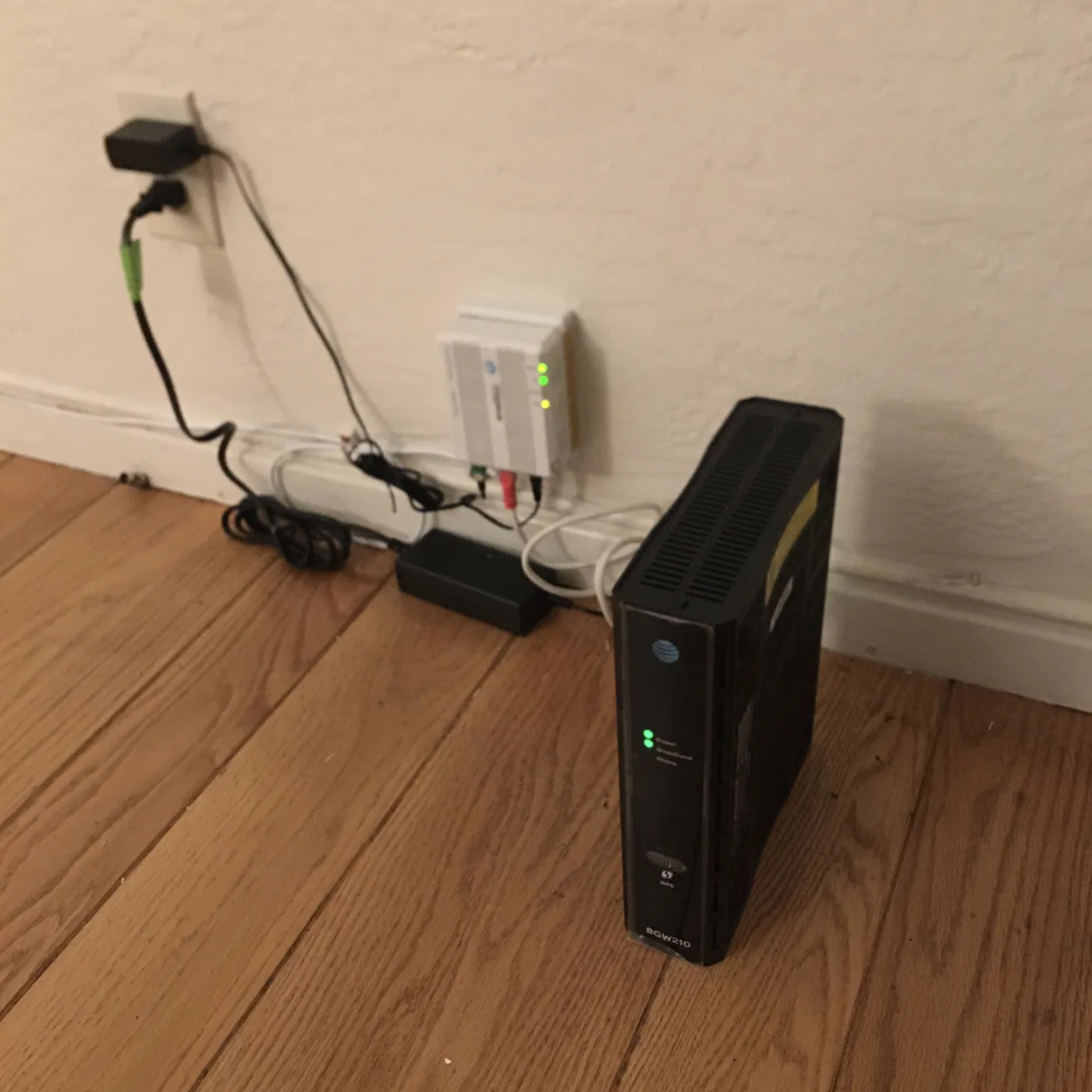
- Power the modem first, let it settle, then the router, and give them two or three minutes to fully reconnect.
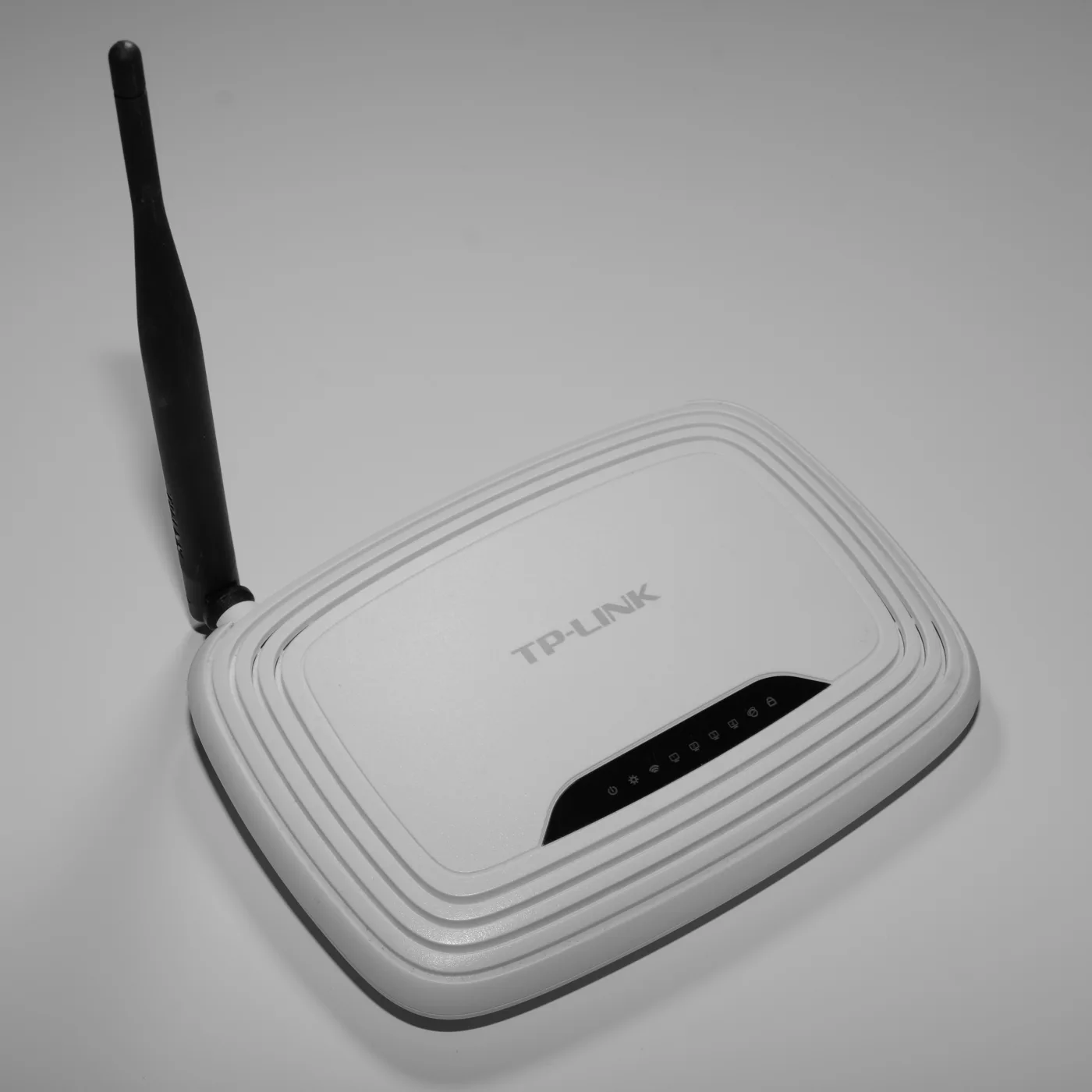
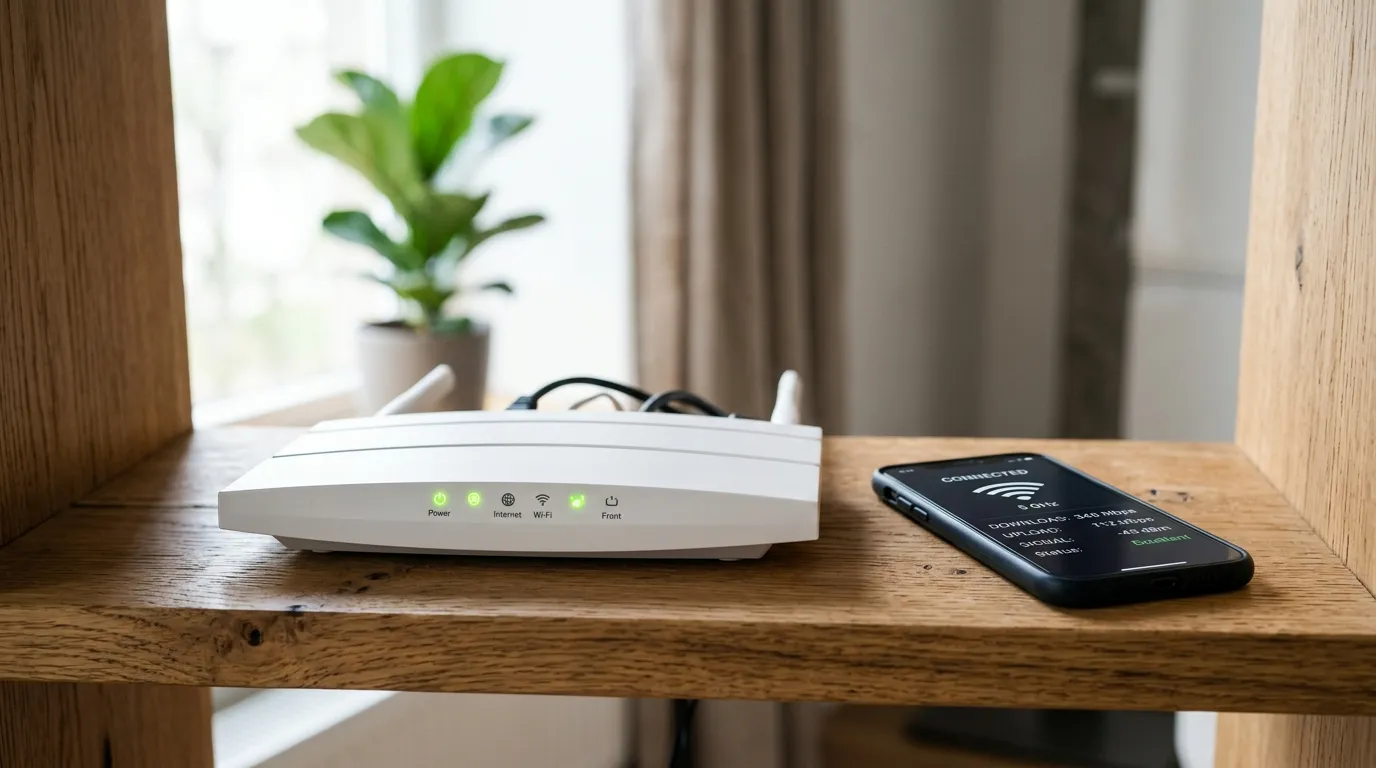
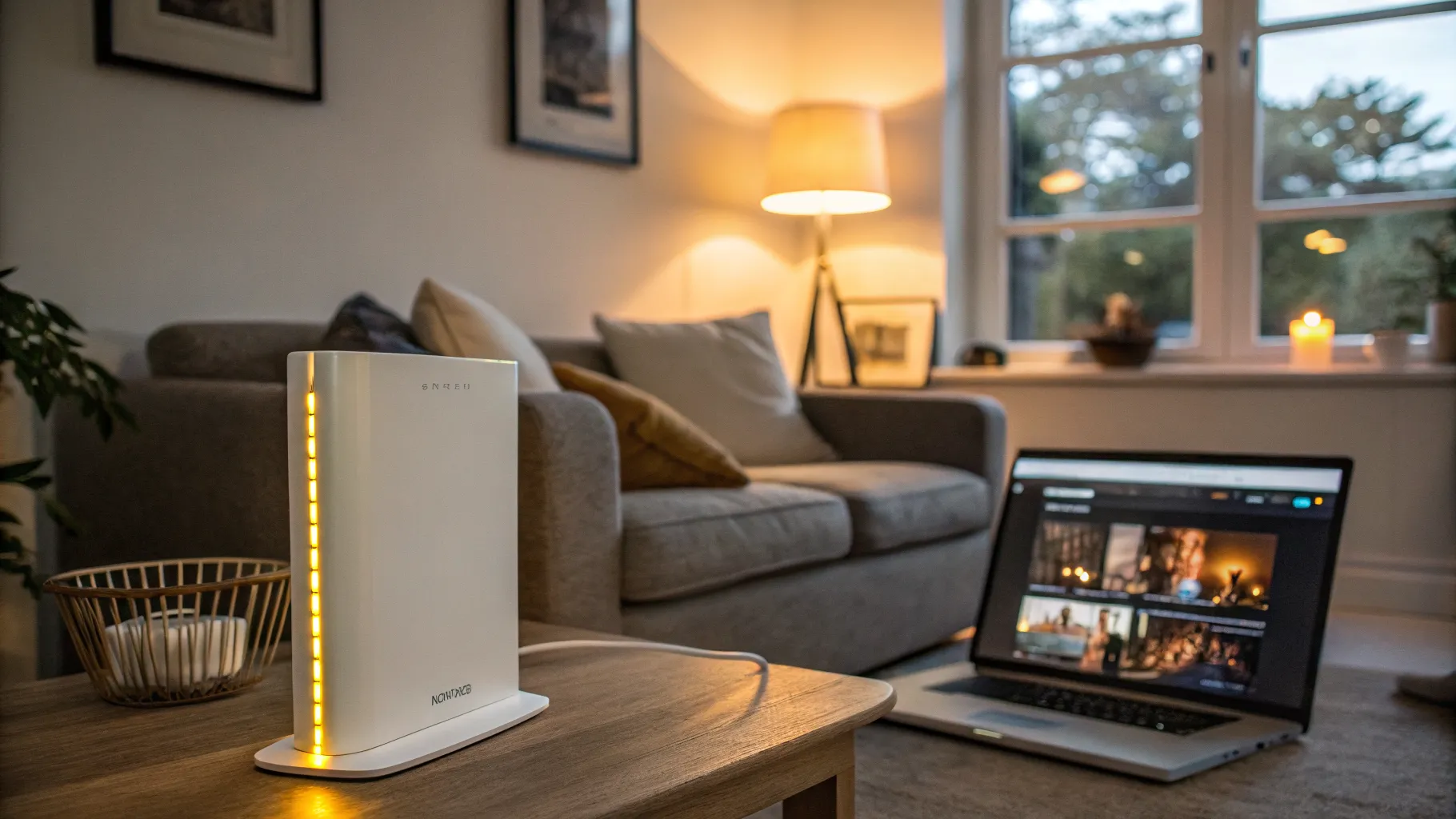
Watch the lights. On most hubs a steady broadband or internet light means the line is back; a red or flashing light usually means the line itself is down, which points at your provider rather than your kit.
Check whether the line or provider is down
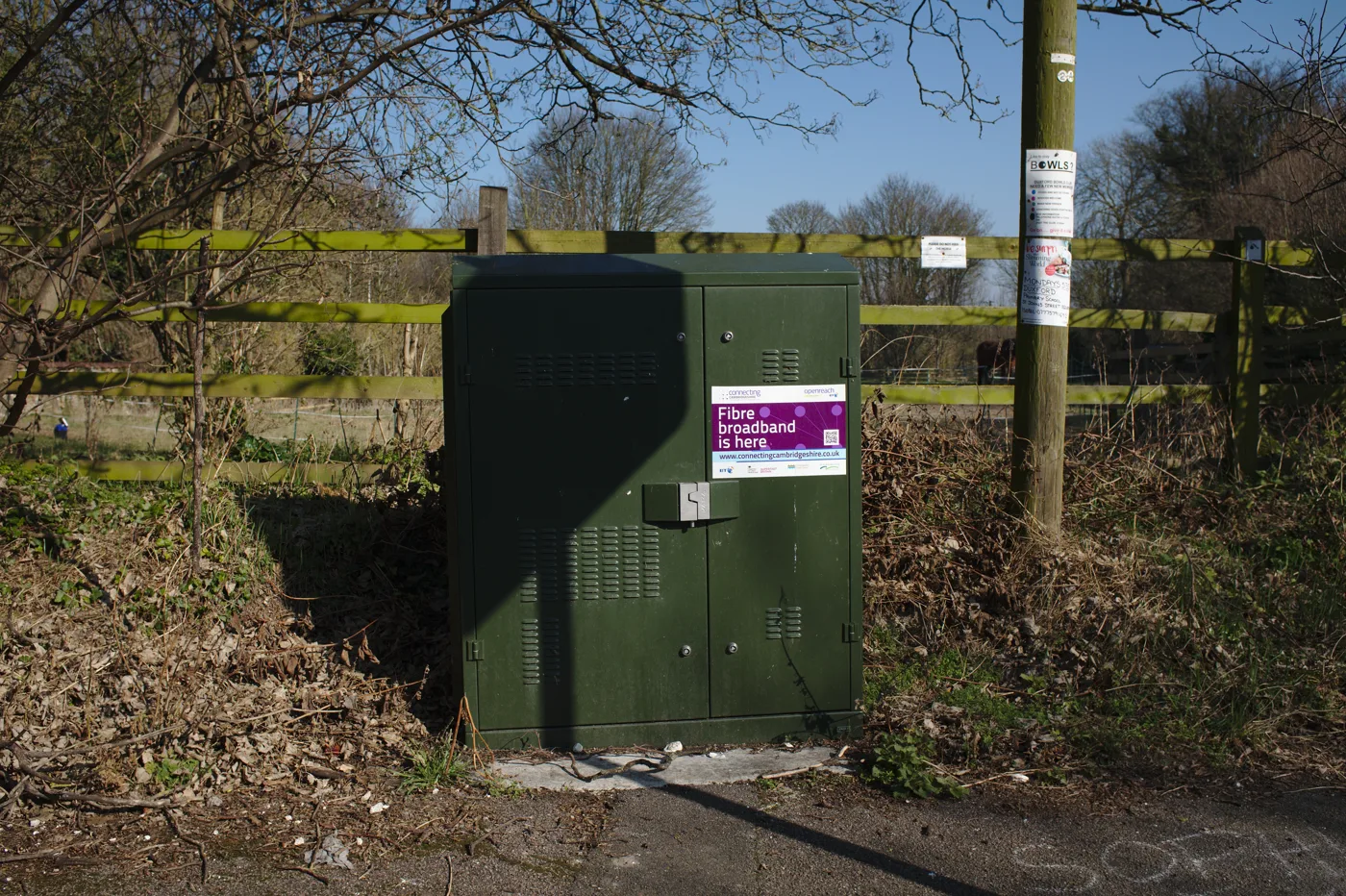
If the router cannot get a connection, the issue may be outside your home entirely:
- Check your provider’s status page on mobile data. Most ISPs publish an outage checker, and Ofcom’s advice on broadband problems explains your rights if there is a fault on the line.
- Look for area outages rather than assuming it is your equipment. A whole postcode being offline is not something a reboot will fix.
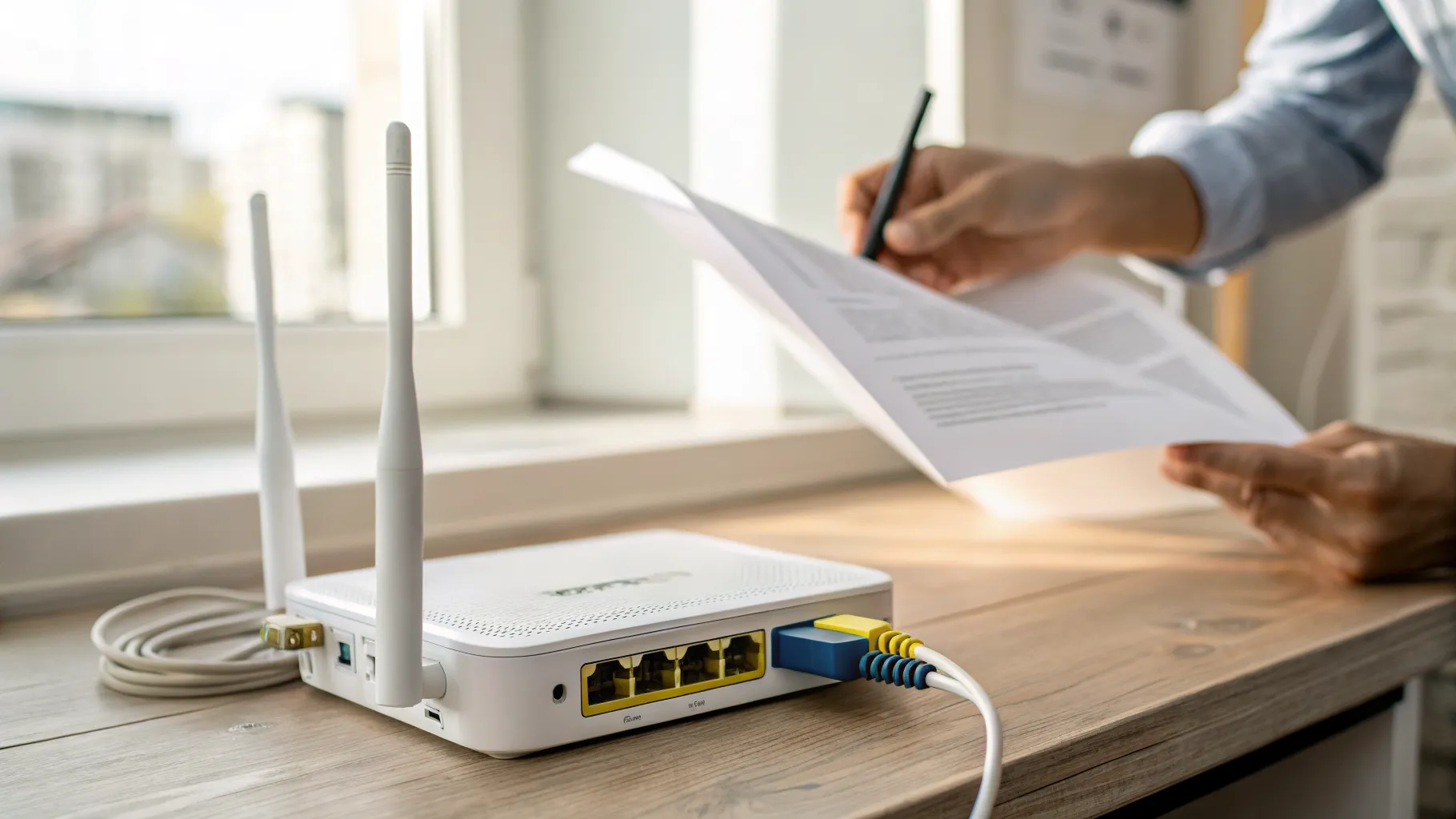
- Inspect the cables and microfilter. A loose broadband cable at the wall socket or a failed microfilter on an older line can drop the connection.
If the line is genuinely down, the fix is with your provider; log the fault and note when it started.
When one device still will not connect
If everything else works and only one device shows no internet, the fault is on that device:
- Renew its IP address. Forgetting the network usually does this; on a computer you can also release and renew the connection in network settings.
- Check the date and time. A clock that is badly wrong breaks the secure handshake many sites need, and can cause pages to fail silently.
- Turn off a VPN or new security app. A misconfigured VPN or firewall is a common cause of “connected but nothing loads”.
- Change the DNS server. If pages will not resolve, switching the device or router to a public DNS such as Cloudflare (1.1.1.1) or Google (8.8.8.8) often fixes name-resolution faults.
Rule out weak signal and interference
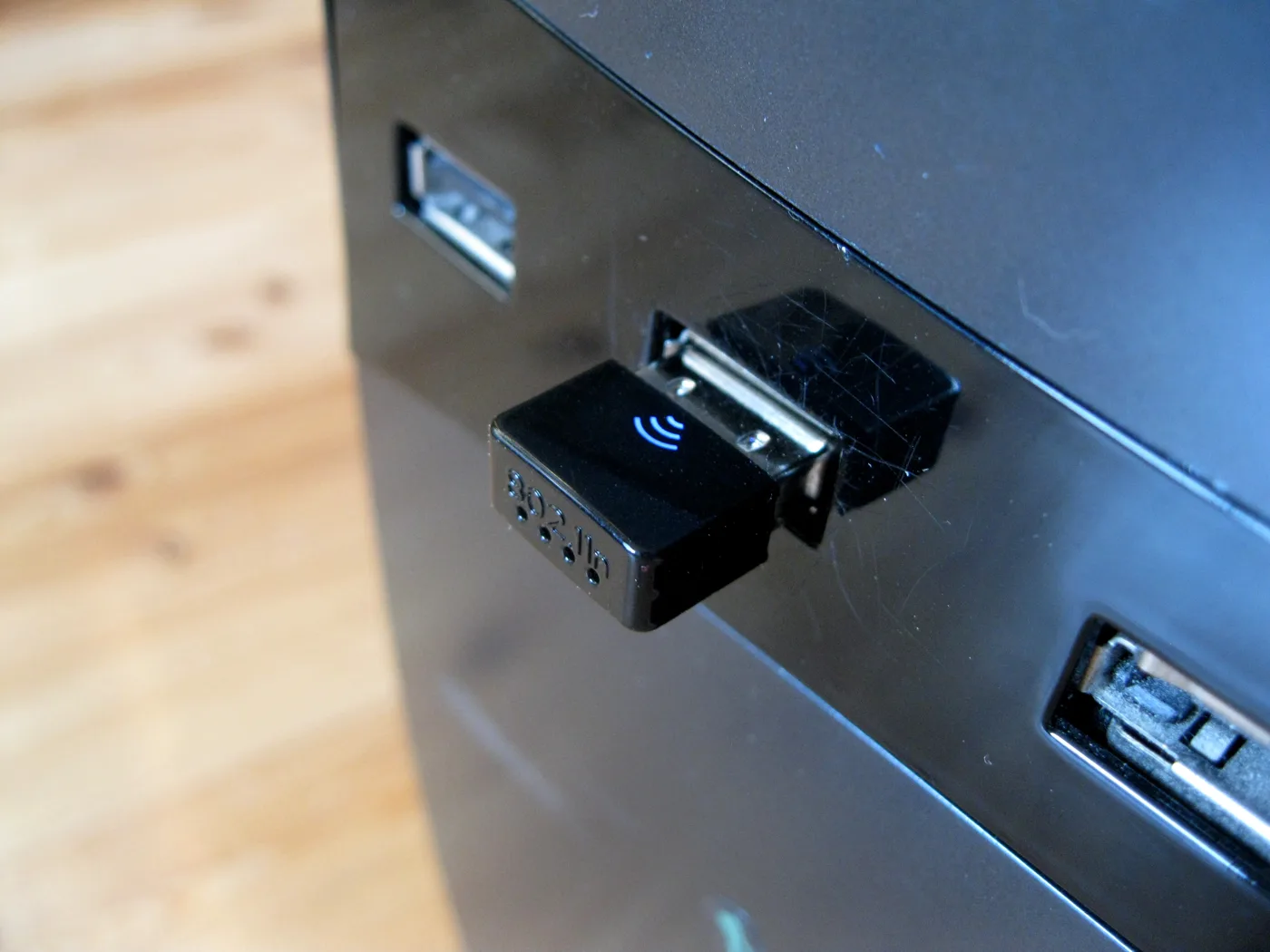
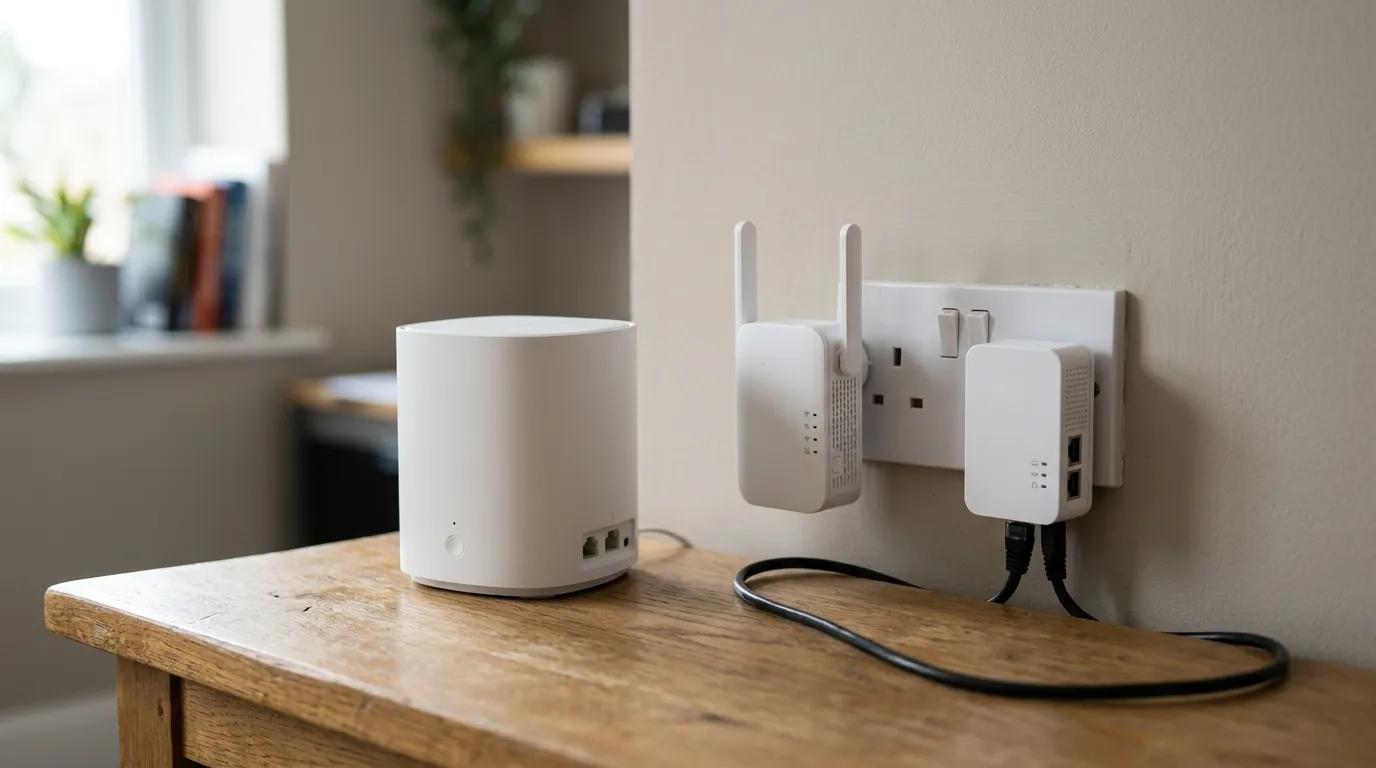
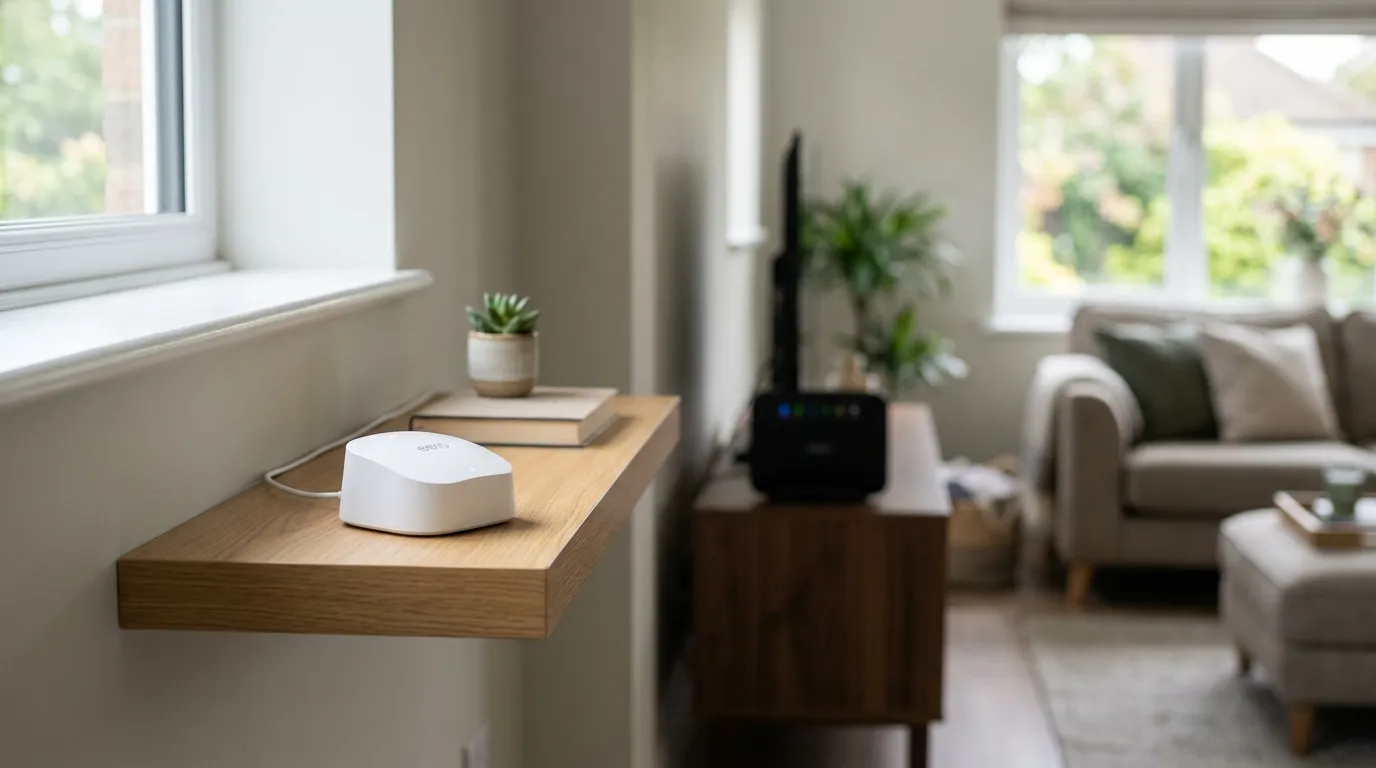
Sometimes the connection is technically there but too weak to carry data, which can read as “no internet” at the edge of coverage. If the problem only happens in one room or far from the router, it is a coverage issue rather than an outage. Our guide to mesh Wi-Fi explains how to fix dead zones properly, and a Wi-Fi antenna upgrade can help on a desktop PC that sits far from the router.
Last resort: factory reset
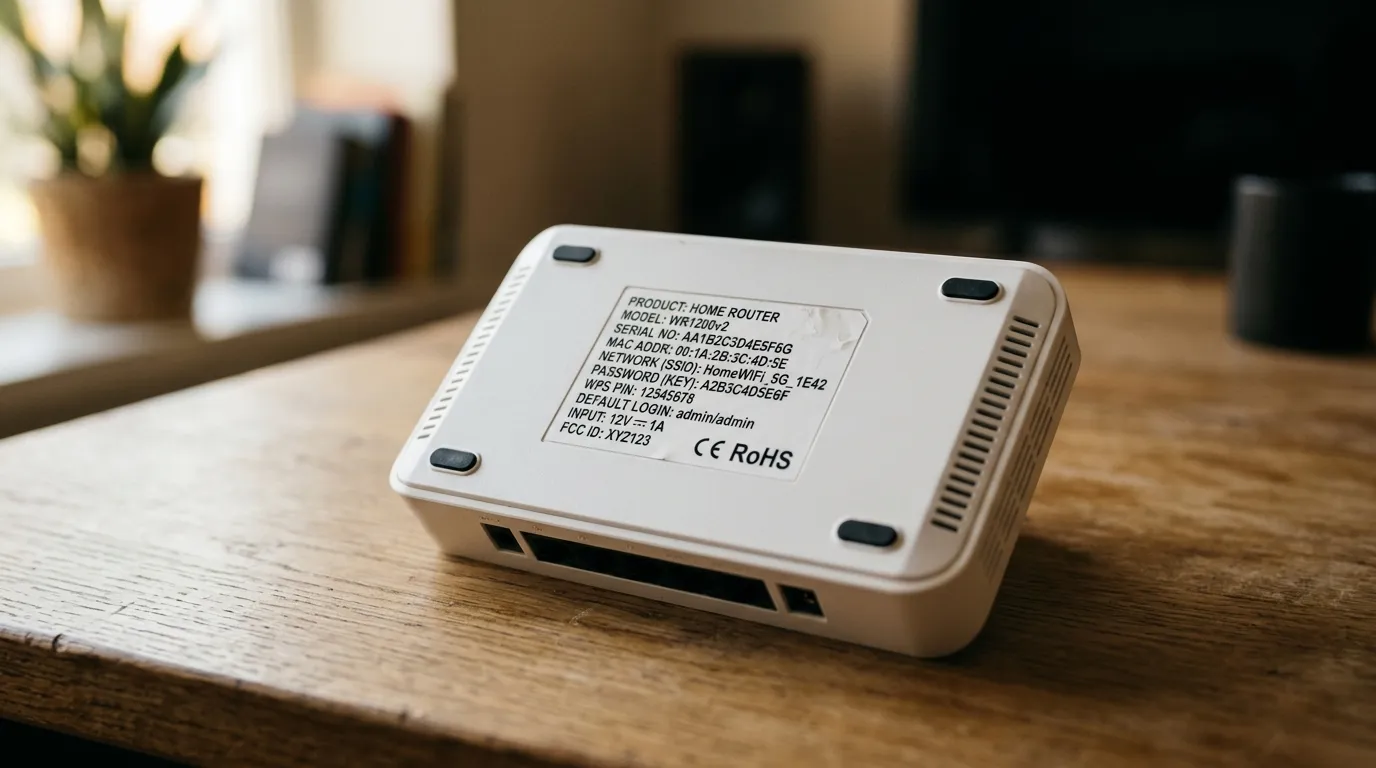
If nothing above works and the router still will not pass traffic, a factory reset returns it to defaults, clearing any corrupted settings. Be warned: this wipes your custom Wi-Fi name and password, so you will need to set them up again, and you should only do it once a line fault has been ruled out. If a reset does not restore the internet, the problem is almost certainly your provider or the hardware itself.
Frequently asked questions
Why does my Wi-Fi say connected but no internet? It means your device has joined the router’s network but cannot reach the wider internet. The fault is between the router and your provider: usually a dropped broadband connection, a router glitch, or a provider outage, rather than a problem with the Wi-Fi link itself.
How do I fix Wi-Fi connected but no internet quickly? Test a second device first. If both fail, restart your router by unplugging it for 30 seconds. If only one device fails, forget and rejoin the network, restart that device, and check its date and time. Those steps clear most cases.
Is “connected but no internet” a router or provider problem? Check by testing several devices. If everything on the network is offline and the router’s broadband light is red or flashing, it is a line or provider fault. If most devices work and only one does not, the problem is on that device.
Can a VPN cause Wi-Fi to show no internet? Yes. A misconfigured VPN or a newly installed security app can block traffic while Wi-Fi stays connected. Turn the VPN off to test; if pages then load, the VPN or its settings are the cause.
Will restarting the router lose my settings? No. A normal restart, unplugging and plugging back in, keeps all your settings. Only a factory reset wipes your Wi-Fi name and password, so reserve that for when everything else has failed and the line is confirmed working.